


NATO keeps getting dragged into Iran conversations, even though Iran is not inside the club. The real story is not just Tehran. It is the alliance’s fine print, and it defines which capitals get to define what counts as a NATO problem.
What You Should Know
NATO’s founding treaty commits members to collective defense after an armed attack in Europe or North America. The UN Charter also recognizes a state’s inherent right of self-defense, shaping how allies justify, or avoid, military escalation.
When Iran shows up in NATO chatter, it is usually as a proxy for bigger questions: what the U.S. wants, what European allies will sign up for, and how much bandwidth the alliance has, given that Russia’s war in Ukraine dominates planning.
The Treaty Language That Boxes Everyone In
NATO’s core promise is blunt and narrow, at least on paper. Article 5 of the North Atlantic Treaty says, “The Parties agree that an armed attack against one or more of them in Europe or North America shall be considered an attack against them all.”
That sentence is a guardrail. This is why allies can sound tough about regional instability, missiles, or proxy networks, yet still hesitate to treat Iran as a direct NATO operational target unless a member state is attacked in the treaty’s defined geography.
Where Iran Becomes a Power Fight Inside the Alliance
Iran-related crises create a predictable stress test: Washington often wants sharper deterrence language and more coordinated pressure, while some European governments lean toward diplomatic channels and narrower commitments that cannot inadvertently become open-ended missions.
It is also a map problem. The treaty’s geographic scope prompts leaders to argue over what counts as spillover risk, what counts as a direct threat, and what should be included in ad hoc coalitions outside NATO’s formal machinery.
Then there is the legitimacy layer. The UN Charter frames the use of force in terms of self-defense, which is why governments obsess over who was attacked, where, and under what authority before they commit to military steps that could trigger retaliation.
What To Watch When Iran Comes Up Again
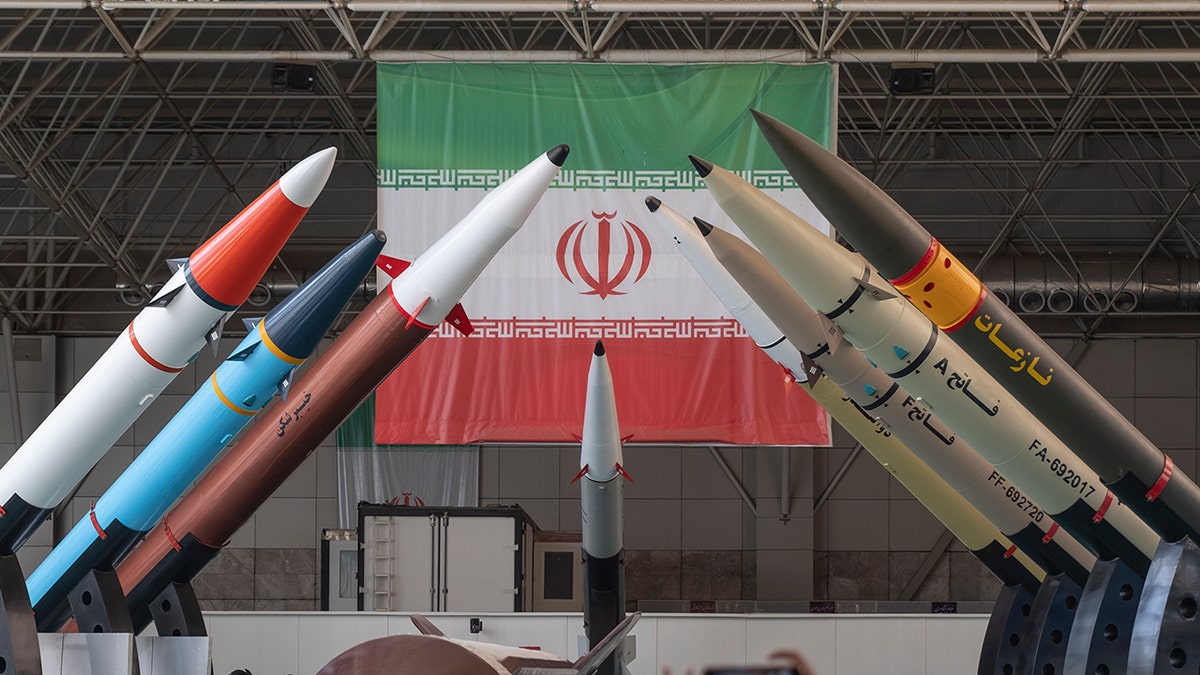
Watch the wording. If leaders start pairing Iran with concrete items like drones, missiles, sanctions enforcement, or specific attacks on member territory, it signals an attempt to move Iran from a background concern into a defined defense agenda.
Also, watch the workarounds. When allies cannot align inside NATO, they often shift action to other venues, using UN-backed language, bilateral moves, or smaller coalitions to avoid turning a politically messy Iran file into a formal alliance obligation.