What You Should Know
Title IX bans sex discrimination at schools that receive federal funding, and the U.S. Department of Education enforces it. Federal rules written under one administration can be replaced by the next, shifting how schools handle sexual misconduct, athletics, and student rights.
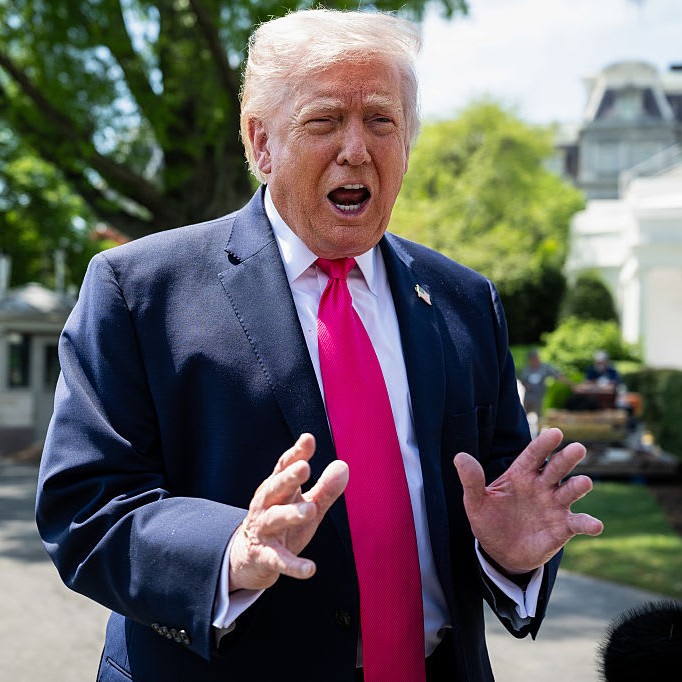
The Hill recently flagged how the Trump-era Education Department treated Title IX enforcement as a regulatory project with real consequences for campuses. That matters because Title IX is not just a cultural argument. It is a compliance regime tied to federal money.
The Trump-Era Blueprint
Title IX itself is blunt. According to the text of Title IX in the U.S. Code, “No person in the United States shall, on the basis of sex, be excluded from participation in, be denied the benefits of, or be subjected to discrimination under any education program or activity receiving Federal financial assistance.”
The hard part is everything the statute does not spell out, including what counts as harassment, what a school must investigate, and what process is owed to accused students. That gap is where the Education Department steps in, through regulations and civil rights enforcement that can tighten or loosen depending on who runs the agency.
Why Schools Are Nervous
For universities, the Title IX office is not a symbolic desk. It is a risk-management hub that sits between students, lawyers, faculty, donors, and federal investigators. When Washington changes the rules, campuses often have to rewrite policies, retrain staff, and renegotiate the process for moving disputes from complaint to hearing to appeal.
That creates a built-in contradiction: politicians sell Title IX as moral clarity, but schools experience it as an operational mandate with deadlines, paperwork, and exposure. One set of rules can emphasize procedural protections for accused students. Another can emphasize broader definitions and expanded reporting obligations. Either way, someone feels boxed out.
What Happens if Politics Flips Again
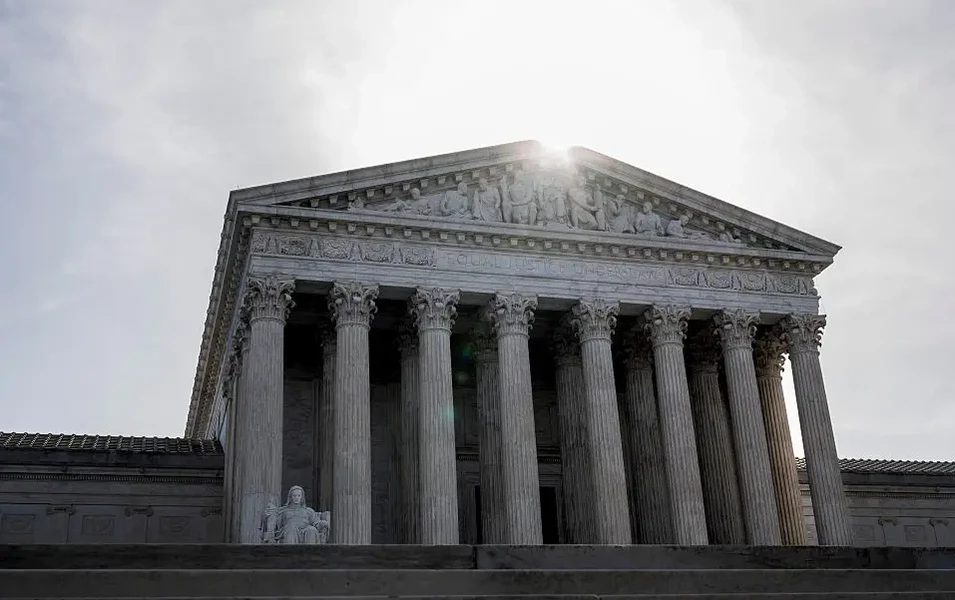
The power dynamic is straightforward. Congress wrote the statute, but the executive branch writes many of the working rules, and the Education Department can pressure compliance through investigations and the implied threat of funding consequences.
So, even when the statute stays the same, the practical reality can swing fast. The next big tell is not a campaign slogan. It is who gets picked to run the Education Department, and what that team signals about rewriting Title IX guidance, enforcement priorities, and campus due process expectations.