What You Should Know
The Hill reported that a GOP super PAC announced a $342 million investment aimed at midterm Senate races. Super PACs can raise and spend unlimited sums on independent political advertising, but they are barred from coordinating directly with candidates.
The group at the center of the announcement is the Senate Leadership Fund, a major Republican outside spender in Senate contests that typically operates in parallel with party committees, candidates, and allied nonprofits, while staying on the legal side of the coordination line.
The $342 Million Signal
The Hill framed the plan as an early, top-down commitment to shape the battlefield in key Senate races, the kind of reservation that can lock in ad inventory, set the tone, and pressure opponents to respond with their own big checks.
That is the super PAC model in a sentence. Super PACs, formally independent-expenditure-only committees, can accept unlimited contributions and then spend aggressively on ads for or against candidates, so long as the spending is independent rather than coordinated with campaigns, according to FEC rules.
Where the Money Gets Leverage
Early money is not just about volume. It is also about timing, rates, and narrative. If a super PAC can start defining a candidate months before a general election, when the audience fully tunes in, the campaign can wind up reacting to an ally’s script, even when the campaign cannot legally share strategy.
That dynamic is not a Republican-only trick. Both parties rely on outside groups to shoulder costs, test messages, and, in practice, expand what campaigns can do without putting every decision on a candidate’s balance sheet. OpenSecrets has tracked how outside spending has become a core feature of modern federal elections, particularly after court rulings and regulatory shifts opened the door to the current system.
The Contradiction Both Parties Live With
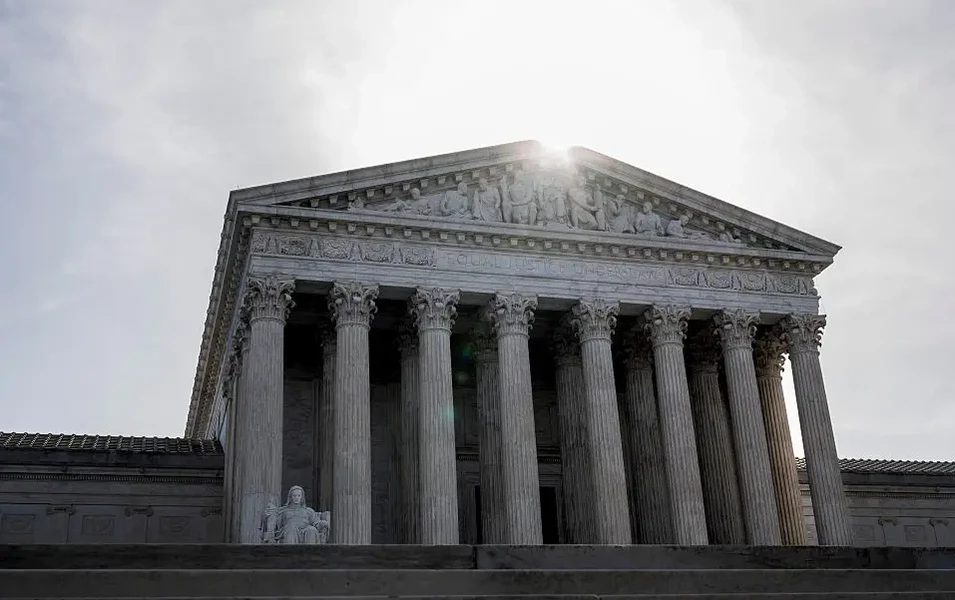
The big contradiction is that super PACs are sold as independent megaphones, but voters often experience them as an extension of a party brand. The legal architecture that protects that spending has been defended as speech, including in the Supreme Court’s landmark Citizens United decision, which said, “If the First Amendment has any force, it prohibits Congress from fining or jailing citizens, or associations of citizens, for simply engaging in political speech.”
So when a GOP-aligned super PAC announces a $342 million ad buy, it is not just an ad buy. It is a power move inside a system where candidates publicly promise independence, parties privately crave message discipline, and the groups with the largest checkbooks can end up acting like shadow campaign managers.
What to watch next is whether Democrats and their aligned groups try to match the reservation early, or instead gamble on later, more targeted spending. Either way, the arms race is already underway, and the candidates are not the only ones running for control.