What You Should Know
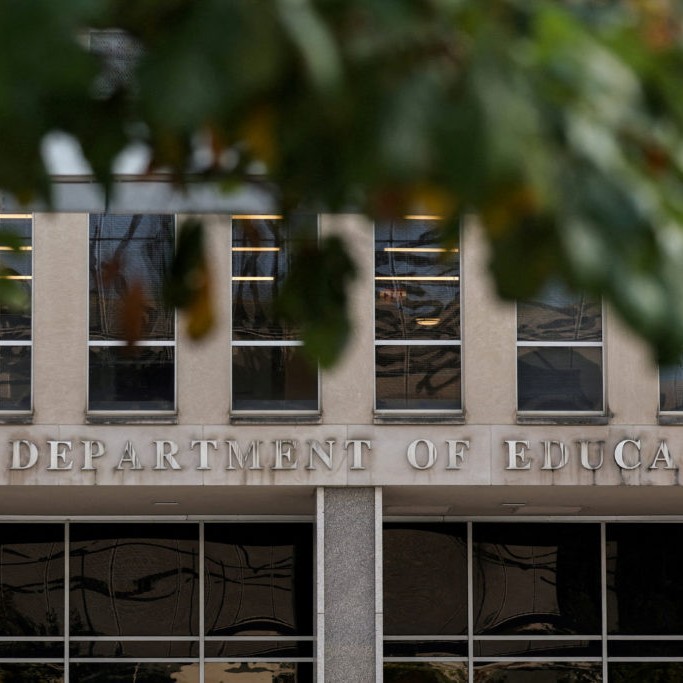
On April 6th, 2026, the Education Department said it had terminated agreements with five school districts and Taft College aimed at upholding protections for transgender students under federal civil rights law.
According to The Associated Press, carried by PBS NewsHour, the department said it will no longer enforce the agreements reached under prior administrations, a shift that immediately changes the leverage in disputes between families, school boards, and Washington.
The Deals the DOE Just Walked Away From
The department said the terminated agreements involved the Cape Henlopen School District in Delaware, the Fife School District in Washington, the Delaware Valley School District in Pennsylvania, the La Mesa-Spring Valley School District in California, the Sacramento City Unified in California, and Taft College in California.
Those agreements, AP reported, were designed to ensure schools took steps to comply with federal civil rights law. By ending them, the department is not saying the underlying fights disappear. It is saying the federal government will not be the one supervising these particular settlements.
Why Title IX Is the Pressure Point
The power struggle runs through Title IX, the 1972 law that bars sex discrimination in education programs that receive federal funds. Cornell Law School’s Legal Information Institute publishes the statute’s text, which is short, broad, and designed for enforcement battles over what counts as discrimination.
AP reported that under the Obama and Biden administrations, the department interpreted Title IX to include protections for transgender and gay students. The Trump administration has taken the opposite posture, including lawsuits and civil rights investigations tied to policies that accommodate students based on gender identity.
The Administration’s Argument, and the Stakes for Schools
Assistant Secretary for Civil Rights Kimberly Richey framed the terminations as a rollback of what the administration views as illegal demands on schools, particularly around sports and shared spaces. In a written statement, she said, “Today, the Trump Administration is removing the unnecessary and unlawful burdens that prior Administrations imposed on schools in its relentless pursuit of a radical transgender agenda.”
That line does two jobs at once. It casts the prior settlements as overreach, and it warns districts that the department still sees gender identity policies as a target-rich environment for investigations, funding threats, and courtroom showdowns.
Meanwhile, the legal backdrop is messy, and everyone knows it. The Supreme Court’s 2020 decision in “Bostock v. Clayton County, Georgia” held that Title VII workplace sex discrimination covers sexual orientation and gender identity, and education attorneys have been arguing for years about how far that logic travels into Title IX.
What to watch is not just new rules or new lawsuits, but the paper trail. Once the federal government stops enforcing old settlements, districts have to decide whether to keep those policies, rewrite them, or dare families to sue without Washington acting as referee.