What You Should Know
Birthright citizenship is rooted in the 14th Amendment and reinforced by Supreme Court precedent. Proposals to narrow it by executive action would almost certainly trigger immediate lawsuits and a fast-moving federal court battle.
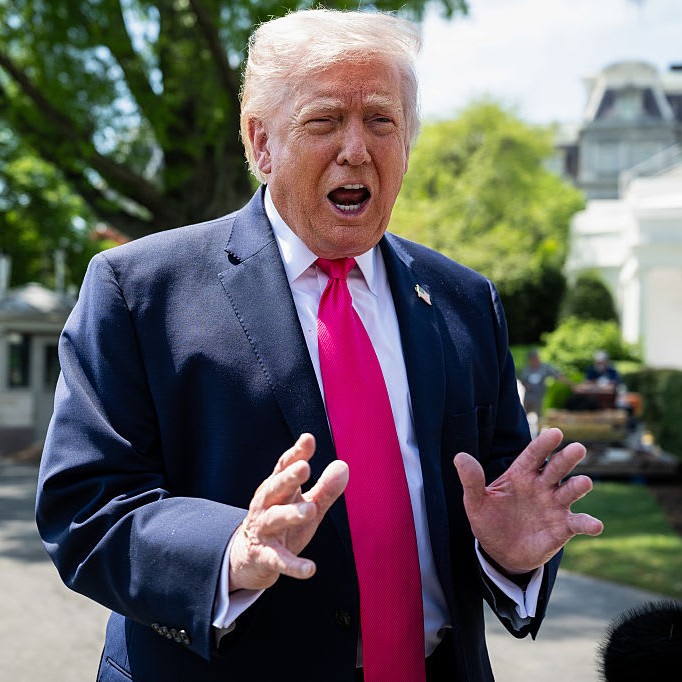
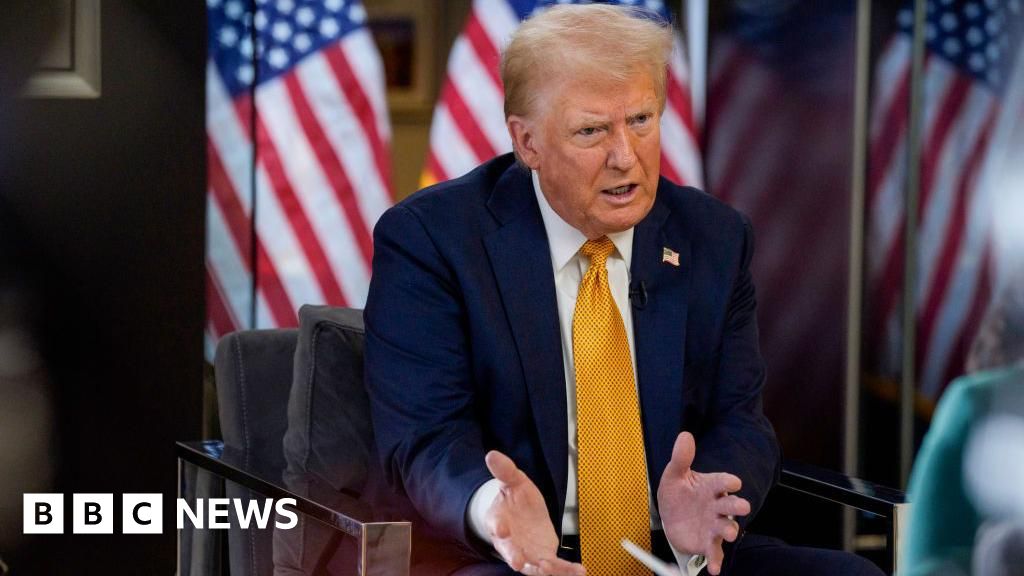
Donald Trump has repeatedly said he wants to end or limit birthright citizenship, framing it as a border-security reset that could be done quickly. The problem is that the policy is not just a slogan. It is a constitutional rule with a century-plus of legal scaffolding.
The Promise Meets the Paperwork
Start with the text that does not care about campaign seasons. The 14th Amendment states: “All persons born or naturalized in the United States, and subject to the jurisdiction thereof, are citizens of the United States and of the State wherein they reside.”
That single sentence is why immigration lawyers, federal agencies, and state governments treat birthright citizenship as a baseline, not a perk. It is also why an executive order, even one written aggressively, would land in court before the ink dried, because presidents do not get to amend the Constitution by memo.
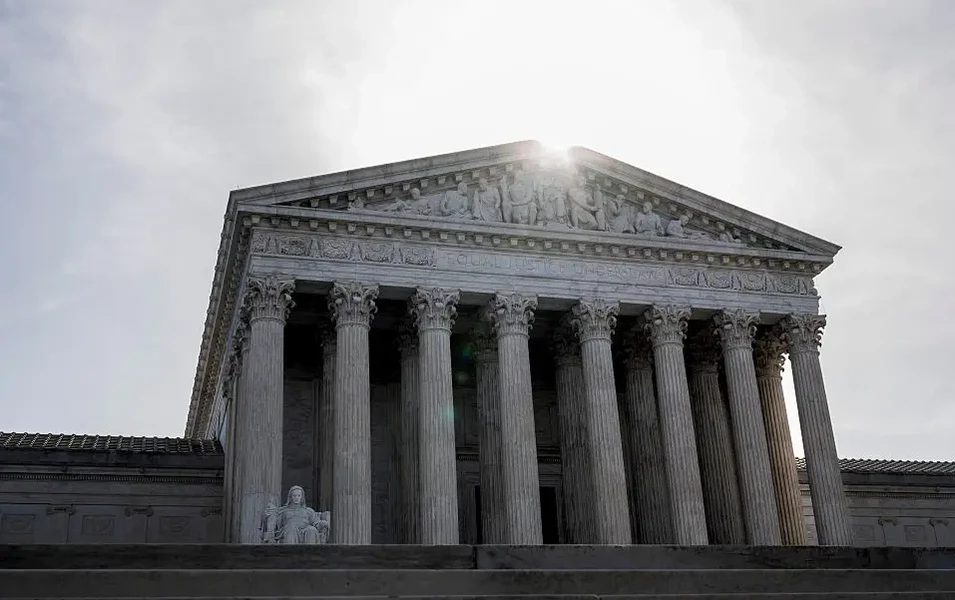
Why the Supreme Court Is the Real Gatekeeper
The other obstacle is precedent. In United States v. Wong Kim Ark, the Supreme Court held that a man born in San Francisco to Chinese parents was a U.S. citizen under the 14th Amendment, a decision that has long been read as locking in birthright citizenship for most people born on U.S. soil.
Trump-world arguments tend to zoom in on the phrase “subject to the jurisdiction thereof,” suggesting it should be interpreted more narrowly. Critics answer that the country has already lived with the broader reading for generations, and that trying to reverse it through executive action would invite judges to block it nationwide, at least temporarily, while the case climbs.
The Stakes for Agencies, States, and Voters
If a future administration tried to narrow citizenship rules, the blast radius would not stay inside the White House. Federal agencies would have to decide how to treat birth certificates, passports, and immigration records, while states would confront immediate questions about eligibility for services that rely on citizenship status.
Politically, the appeal is obvious: it is a sharp, easily repeated line in a broader immigration message that rewards toughness and punishes nuance. Legally, the risk is just as obvious: a public push to do it fast can collide with a court system that moves on briefs, not rallies.
What to watch is not just whether the idea gets packaged as an executive order or a legislative push. It is whether the next wave of litigation forces the Supreme Court to clarify, again, how far the 14th Amendment actually stretches.