What You Should Know
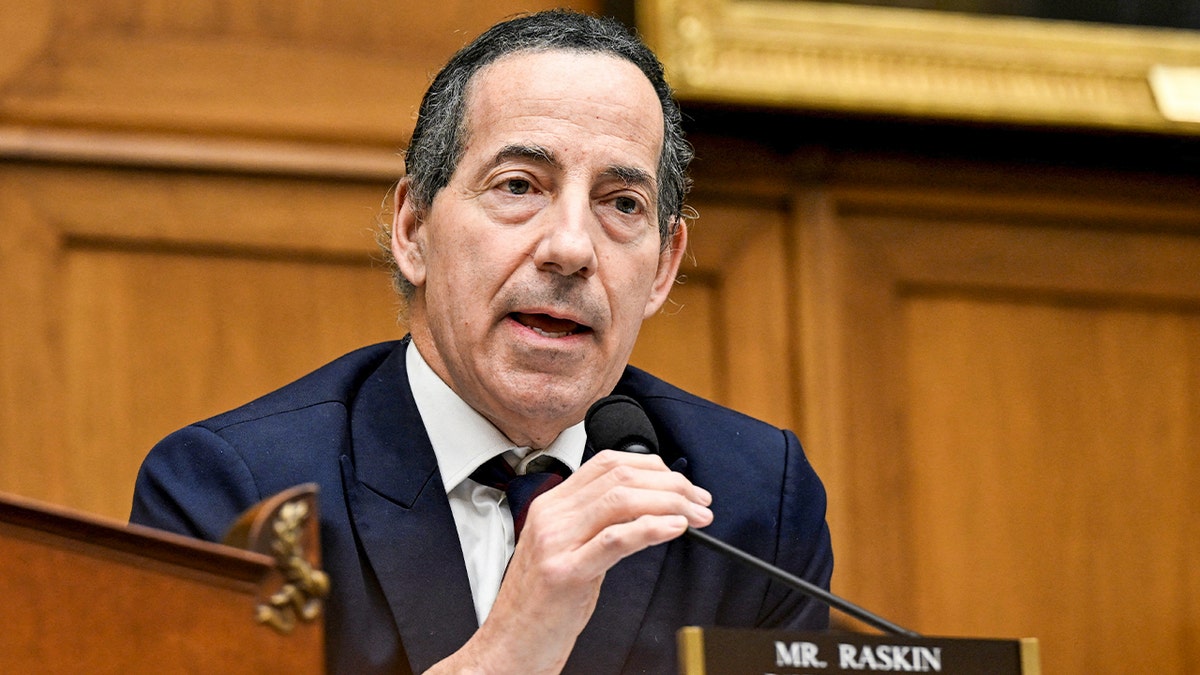
Rep. Jamie Raskin, the top Democrat on the House Oversight Committee, has publicly questioned a Justice Department settlement involving Michael Flynn. The dispute spotlights how DOJ legal payouts can become political weapons, even when criminal cases are long over.
Raskin, a Maryland Democrat and former constitutional law professor, is leaning into a familiar oversight tactic: treat the settlement itself as the story. Flynn, a former Trump national security adviser, is the rare Washington figure whose legal arc keeps producing new fights long after the original scandal fades.
Why This Settlement Is a Political Problem
According to The Hill, Raskin raised concerns about the department’s settlement with Flynn and pushed for details about the decision-making behind it. The pressure lands in a moment when DOJ is already being dragged into partisan combat over consistency, transparency, and whether powerful defendants live by different rules.
Even when civil settlements are routine, the optics are not. A payment, a dismissal, or a negotiated end to litigation can, to critics, look like a quiet transfer of leverage, especially if Congress cannot see the paperwork explaining why DOJ chose to settle rather than fight.
Flynn Is Not a Normal Plaintiff
Flynn is also not a normal political character. He pleaded guilty in December 2017 to lying to the FBI about conversations with Russia’s ambassador, a case that became one of the signature prosecutions stemming from the Trump-Russia investigation. Trump later pardoned him, turning Flynn into a symbol for allies who argue the government abused its power.
That history is why a settlement, even a civil one, can ricochet. To Flynn’s supporters, any government concession can be framed as delayed vindication. To critics, it can read like institutional amnesia, especially when the same department insists it is guided by evidence and evenhanded standards.
Receipts and the Next Fight
DOJ has repeatedly faced claims that politics drove investigative decisions in the Trump era, and the department has also pointed to internal reviews to rebut that narrative. In its report on the FBI’s Crossfire Hurricane investigation, the DOJ Office of the Inspector General wrote, “We did not find documentary or testimonial evidence that political bias or improper motivation influenced the decisions” to open the investigation or take key steps.
Raskin’s move effectively dares DOJ to reconcile that long-running defense with a settlement that, in the wrong light, can be sold as an apology check. Watch for whether DOJ discloses more about the agreement and whether House investigators use it to broaden the debate over who gets consequences, who gets paid, and who gets closure.