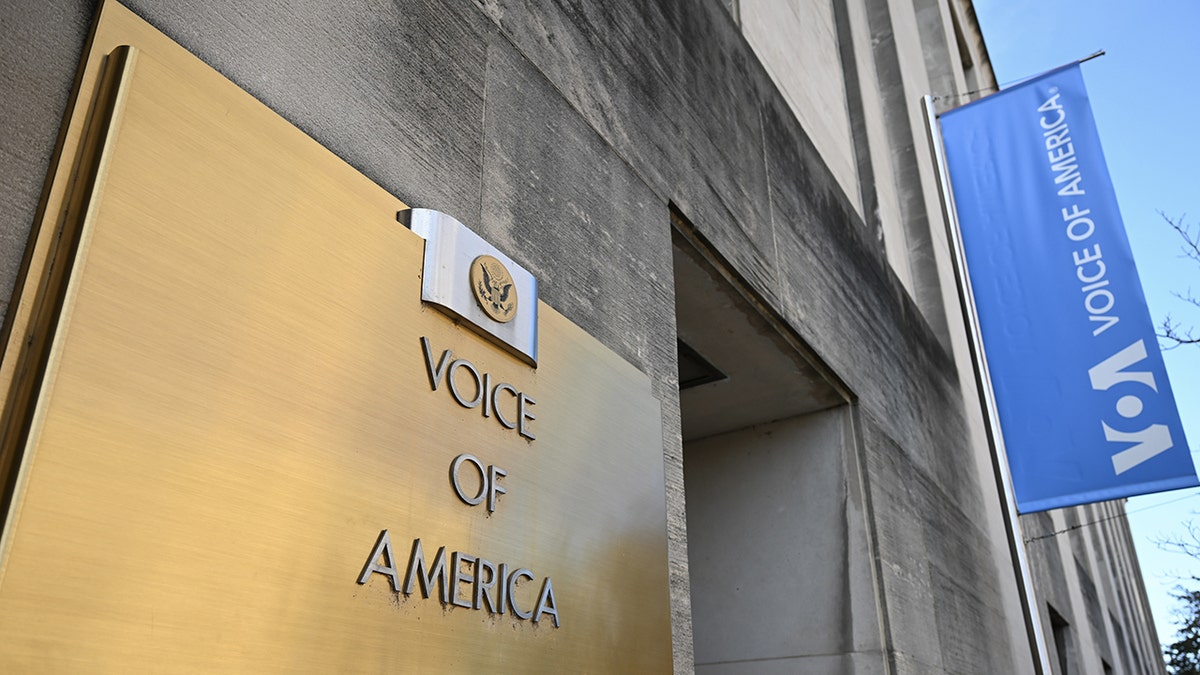
Voice of America was built to fight propaganda abroad, not to be accused of manufacturing it. Now a lawsuit is forcing an awkward question into the open: when a government-funded broadcaster is attacked as partisan, who gets to call the shots, the journalists, the overseers, or the courts?
What You Should Know
A lawsuit filed by The Hill accuses Voice of America of propagandizing and violating its statutory mission. The case spotlights VOA’s legal charter, its editorial firewall, and the oversight power of the U.S. Agency for Global Media.
VOA operates under the U.S. Agency for Global Media, a federal network that includes multiple international broadcasters and relies on congressional funding. That structure creates a built-in tension: lawmakers and political appointees control budgets and leadership, while the newsroom is expected to operate independently.
The Lawsuit’s Core Claim
According to The Hill’s reporting, the lawsuit frames VOA’s content as something closer to advocacy than public service journalism. The plaintiffs’ basic theory is simple: a federally funded broadcaster has rules, and those rules were broken.
That theory holds because VOA is not just another outlet chasing clicks. It is explicitly bound up in U.S. foreign policy, which means any allegation of slanted coverage is not only a media argument. It is a credibility argument that can ricochet through Congress, diplomatic relationships, and adversaries’ talking points.
The Firewall Problem
VOA’s defenders point to the broadcaster’s legal mission, which is designed to keep it from becoming a megaphone for any administration. The charter language is blunt about what the public is paying for: “VOA will serve as a consistently reliable and authoritative source of news. VOA news will be accurate, objective, and comprehensive.”
The catch is that words like “objective” turn into a knife fight when politics gets involved. Oversight officials can argue they are enforcing standards, while journalists can argue that enforcement is just another name for pressure. A lawsuit raises the stakes by inviting a judge to decide whether disputed coverage is a mere editorial call or evidence of a legal breach.
What to Watch Next
The most consequential outcome might not be a single ruling about a single segment. It could be the precedent. If courts become a regular arena for content disputes at a government-backed outlet, every future programming decision could be viewed through a litigation lens, especially in election years.
Even if the lawsuit fails, the spotlight matters. VOA sells itself overseas as a rebuttal to state media. Being forced to defend its own independence at home is a different kind of broadcast, and it is one that Congress will be watching when the next funding fight arrives.