

The US is pumping out more liquefied natural gas, but the next question is not about geology. It is about paperwork, power, and who gets to decide whether America’s gas boom belongs in US homes or on foreign docks.
What You Should Know
US LNG production has been rising as new export capacity comes online. At the same time, federal officials have been reexamining how new LNG export approvals are evaluated, putting the expansion argument on a collision course with climate and consumer-price politics.
The Hill recently highlighted a fresh boost in US LNG output, a metric that usually reads like a victory lap for an energy superpower. But the celebration comes with a catch. The faster LNG grows, the more it forces Washington to pick sides between exporters, environmental critics, and voters who notice their utility bills.
The Boom Has a Permitting Chokepoint
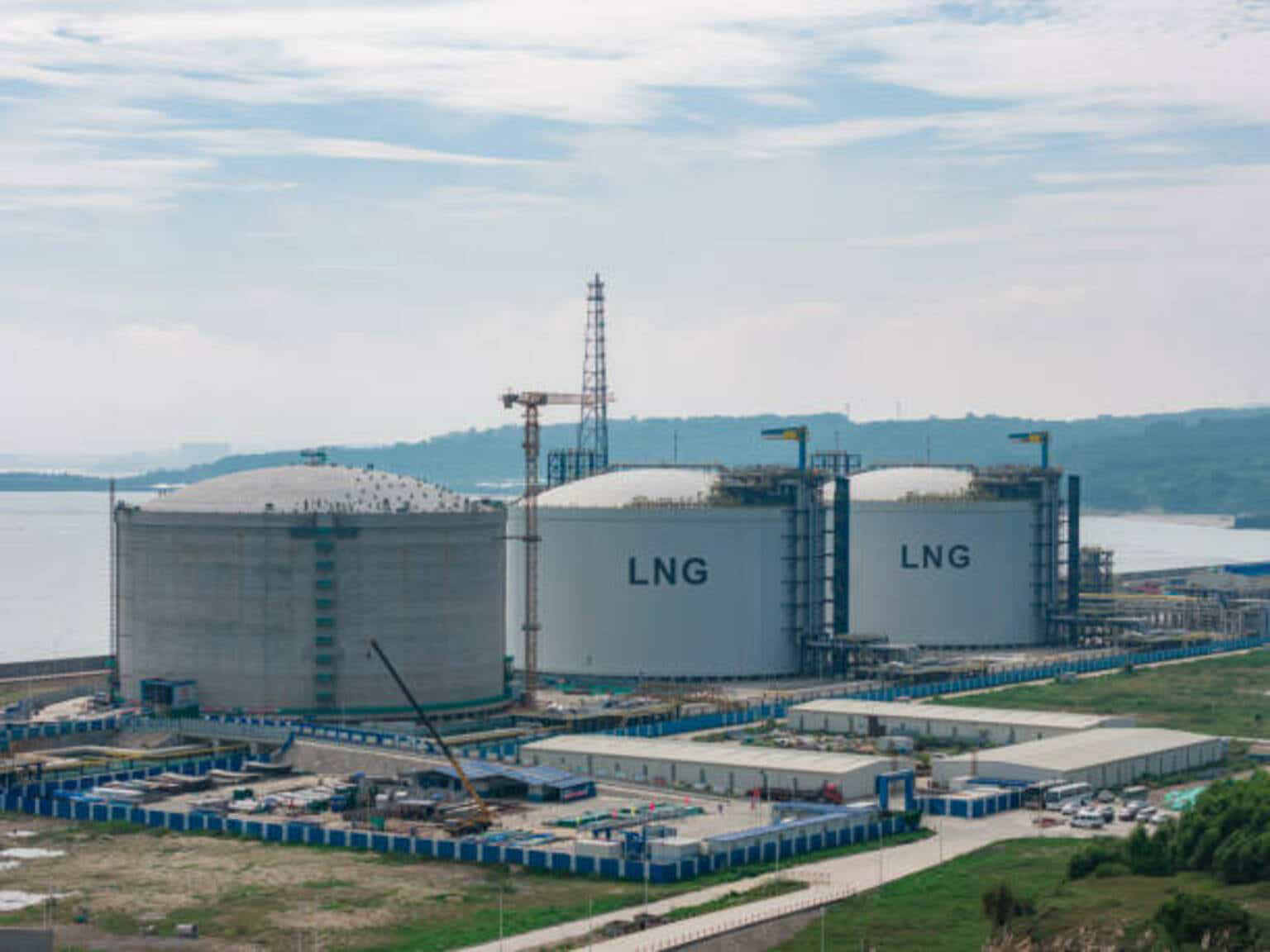
LNG is not a simple drill-and-ship business. It is a chain of pipelines, compressor stations, liquefaction trains, tanker slots, and long-term contracts, and every link has a regulator with a pen.
Even when production is up, export growth can be bottlenecked by approvals. The Department of Energy, which signs off on certain export authorizations, announced a temporary pause in pending decisions for exports to non-free-trade-agreement countries in early 2024. That move did not erase the US LNG buildout. It did signal that the next wave would be judged under a hotter political microscope.
For companies with multibillion-dollar terminals on the Gulf Coast, the stakes are not abstract. A delayed authorization can ripple into financing, contract negotiations, and construction timelines. For lawmakers, it becomes a clean talking point either way: energy dominance to one crowd, climate backsliding to another.
Climate Math vs Gas Money
Supporters of more exports argue LNG is a lever. It can replace coal abroad, backstop allies, and keep US producers investing. Critics counter that methane leaks, long-lived infrastructure, and rising upstream drilling turn a bridge fuel into a lock-in.
Those arguments are now fused with domestic economics. LNG exports can tighten supply under certain market conditions, which can feed into power generator and industrial user prices. At the same time, export contracts bring in revenue and jobs, often concentrated in a few states and port communities that have learned to demand concessions.
The contradiction is that Washington often wants both stories at once: the US as a reliable supplier to the world, and the US as a regulator that can slow the next terminal if emissions math looks ugly. That tension is why every incremental production boost gets read like a political signal, not just an energy statistic.
What to Watch Next
The next flashpoints are likely to be procedural, not geological. Watch for how quickly federal reviews move, what new analysis standards look like, and whether Congress tries to force the pace through legislation or budget pressure.
US LNG can keep climbing while the export fight stays unresolved. That is the point. The boom is real, but the permission slip is where the winners get picked.