

In American elections, a “discrepancy” is rarely just a number. It is a power tool, a fundraising hook, and a shortcut to suspicion, long before anyone explains whether the mismatch is one ballot, one batch, or a data-entry typo.
What You Should Know
A state-level investigation into a reported ballot discrepancy is putting routine election reconciliation under a spotlight. These probes typically focus on chain-of-custody records, ballot accounting, and tabulation logs before officials decide whether the issue is clerical, procedural, or potentially criminal.
According to The Hill, the case centers on a mismatch in the ballot-counting process that triggered a formal review.
The basic tension is familiar: campaigns and activists talk in absolutes, while election administrators talk in spreadsheets, sealed containers, and logs that are designed to catch human error without turning every mistake into a conspiracy.
How Ballot Counts Go Sideways
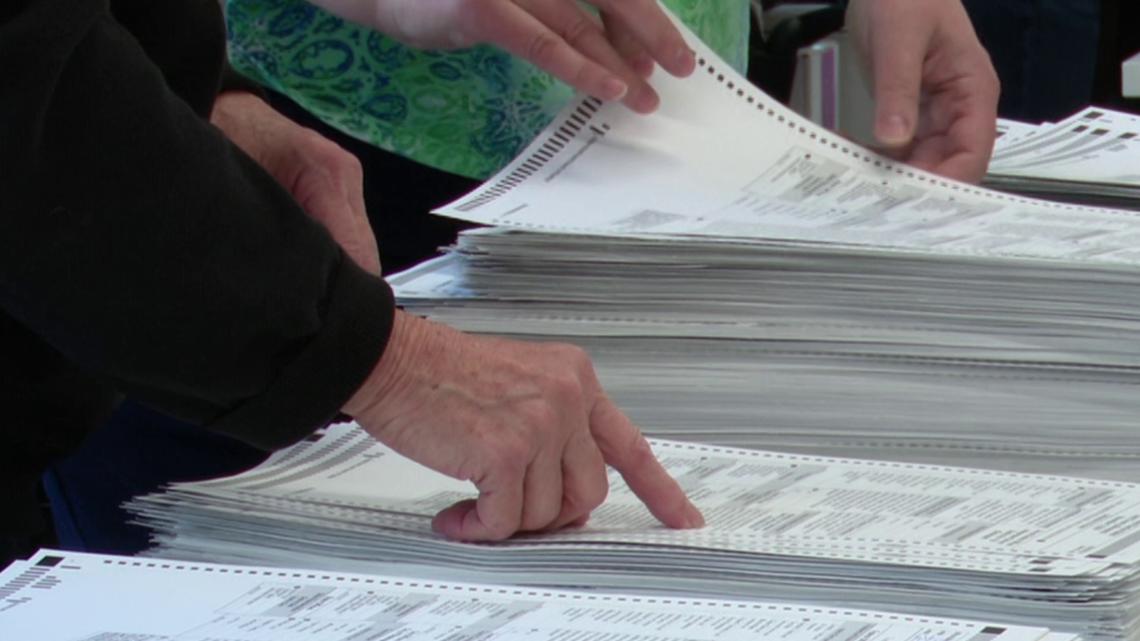
Ballot totals are not supposed to be a single magic number that appears at the end of the night. They are supposed to reconcile, meaning officials can account for ballots issued, returned, counted, and rejected under state rules.
When those figures do not align, investigators typically start with the boring stuff that drives the whole system: who had access, when items were transferred, how batches were scanned, and whether a reporting system reflected the same totals as the underlying paper record.
Why Politicians Love the Word Discrepancy
The word itself does a lot of work. It sounds forensic, it implies wrongdoing without proving it, and it lets partisans keep the spotlight on the count instead of on whether their candidate built enough votes to win.
That dynamic has only intensified in the post-2020 era, when election offices became political targets and routine processes became content. In a widely cited election-security statement, CISA said, “The November 3rd election was the most secure in American history.” The statement did not end disputes, but it clarified what federal and state officials were willing to say on the record about systemwide manipulation.
What Happens Next, and What to Watch
Investigations like this can end in a quiet memo, a procedural overhaul, or a criminal referral, depending on what the records show. They also tend to produce a second fight: whether officials release detailed documentation to build confidence, or limit disclosures to protect chain-of-custody and voter privacy.
Watch for two tells in the final reporting: whether the inquiry identifies a specific point of failure, and whether any public claims made early on match what the logs, audits, and paper ballots actually show.