

One message was aimed straight at Congress: do not blink. Another was aimed at the world: the deal is possible. In a single CBS News update, Donald Trump tried to run both plays at once, and the overlap tells you a lot about how he used leverage.
What You Should Know
CBS News reported that Trump urged Republican leaders not to end a partial government shutdown without Democratic support for a voter ID bill. The same report said Trump appeared more optimistic about reaching a deal with Iran.
The segment, reported by CBS News correspondent Nikole Killion, stitched together two very different negotiating tables: Washington budget brinkmanship and high-stakes diplomacy. The common thread was pressure, and who gets to set the terms.
The Shutdown Bargain, Voter ID as the Price
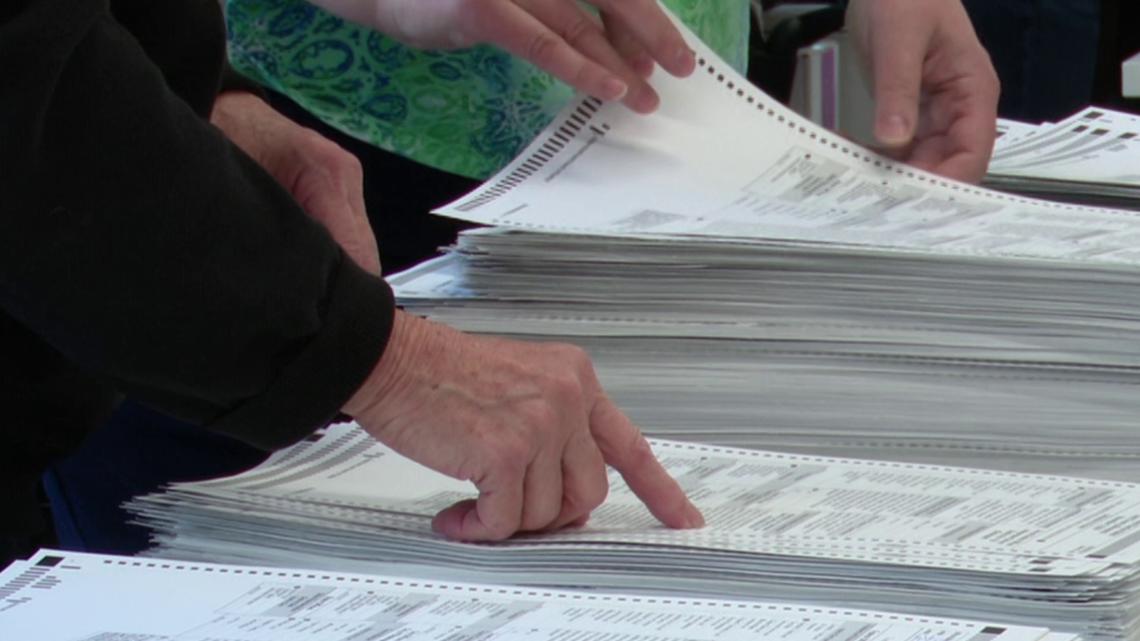
On the shutdown, the framing was explicit. As CBS News put it, “Trump urges GOP leaders not to make a deal to end the shutdown unless Democrats back a voter ID bill.” It is a clean, transactional ask, and it turns a must-pass government funding fight into a vehicle for a contentious elections policy.
That matters because voter ID, as a national mandate, is not a routine budget rider. Voter identification rules are typically set at the state level, and federal legislation on voting rules tends to trigger maximal partisan resistance, procedural hurdles in the Senate, and a long trail of lawsuits.
It also creates a neat power test inside the Republican Party. A shutdown is punishing for federal workers and politically risky for incumbents, but it is also one of the few moments when a president can apply heat to his own side and demand unity in public, even when the policy add-on is outside the core budget dispute.
Iran Optimism, Different Stage, Same Message Control
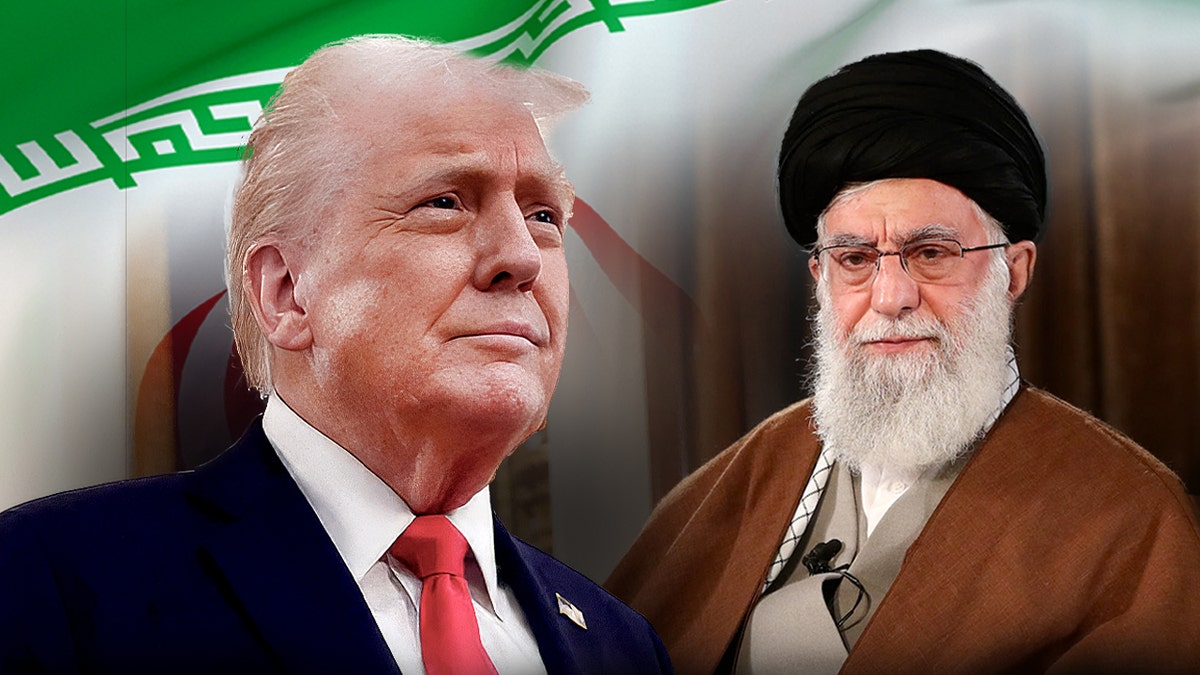
Then came the pivot. Killion also reported that Trump “appeared more optimistic about reaching a deal with Iran.” The contrast is sharp: a hard edge for domestic negotiators, and a calmer tone for an adversary overseas.
In practice, the two messages can reinforce each other. A president who projects confidence abroad can appear stronger to supporters at home, even while using the shutdown as a lever on lawmakers. At the same time, talking up a possible deal can lower the temperature in markets and among allies, even as Washington fights over funding.
What To Watch Next
The immediate question is whether tying shutdown terms to voter ID changes the endgame, or just moves the goalposts. Democrats have often argued that voter ID proposals can restrict access to the ballot, while Republicans have argued they protect election integrity. Making that dispute a condition for reopening the government raises the stakes for both sides.
In Iran, the words “more optimistic” are not a deal, a timeline, or a document. The next test is whether any negotiating channel produces specifics that survive contact with Congress, allies, and Iran’s own internal politics.
The through-line is leverage. Trump was signaling that he wanted to decide what would end the shutdown and what would count as progress with Iran.