Voice of America was built to beam news into closed societies. Now, its own journalists are arguing in court that the signal is still going out, but the editorial independence is not.
What You Should Know
Four Voice of America journalists sued on March 23rd, 2026, alleging the Trump administration and its appointees pushed remaining VOA output toward White House talking points. The U.S. Agency for Global Media disputes that framing and is appealing a judge’s order requiring journalists to return from paid leave.
The lawsuit targets the U.S. Agency for Global Media, or USAGM, the parent agency that oversees VOA and other government-funded broadcasters. It lands in Washington, D.C., with a blunt claim: what remains of VOA is allegedly being used as a messaging tool for foreign audiences.
A Charter Meant to Protect News, Now Being Tested in Court
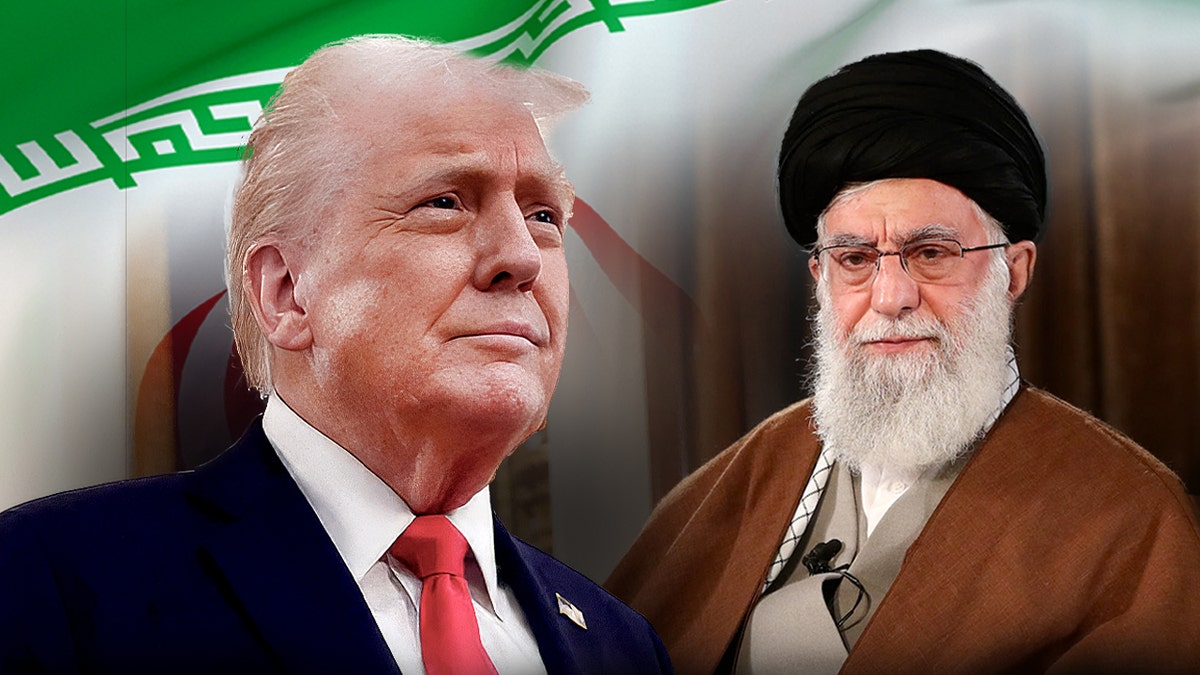
According to the complaint, transmissions aimed at audiences in Iran, China, North Korea, and Kurdish communities are not operating as objective news sources, as the plaintiffs say federal law requires. Instead, the suit alleges that the broadcasts mirror the administration’s priorities and downplay information the White House would rather not elevate.
The filing points to specific editorial gaps, including coverage sent into Iran that allegedly omitted casualty reporting from U.S. air strikes and gave limited space to viewpoints outside the administration. It also alleges an elementary school bombing was barely covered, while guest appearances on certain language services were subject to approval by an official appointed under USAGM leadership.
The plaintiffs, Barry Newhouse, Ayesha Tanzeem, Dong Hyuk Lee, and Ksenia Turkova, framed the dispute as a credibility crisis for a brand built on being heard behind censorship. In a statement, they said, “Through VOA’s journalism, those living in authoritarian societies get a taste of democracy. Without editorial integrity, VOA will be no different than government mouthpieces our audiences already hear in their own country.”
USAGM’s Counterargument: Public Money, Public Policy
USAGM rejected the idea that the newsroom should be insulated from the administration’s worldview, at least in the way plaintiffs describe. The agency said it is responsible for oversight of its networks and for meeting the VOA Charter’s requirements for authoritative, accurate journalism that also clearly presents U.S. policies.
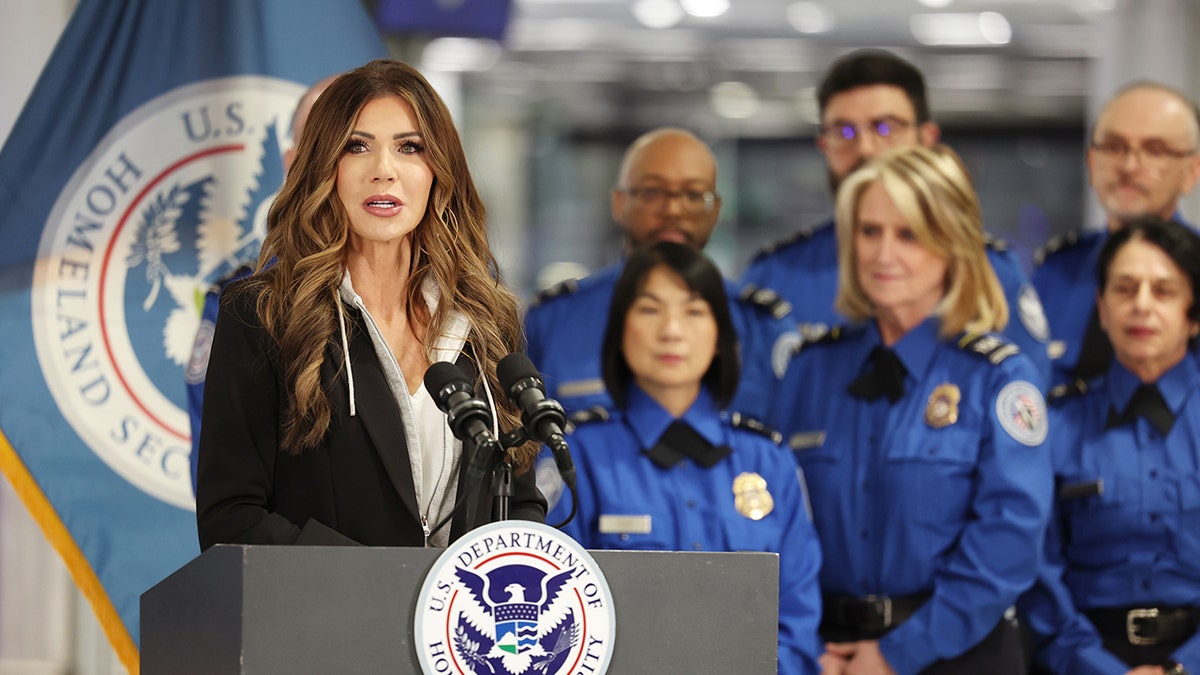
The tension is not subtle: journalists describe a “firewall” between government and editorial decisions, while the administration has raised a different question: why should taxpayers fund content that officials view as conflicting with American interests? Kari Lake, Trump’s pick to lead USAGM, argued in congressional testimony that the traditional separation should be reconsidered, saying, “We should be able to have control over what kind of content goes out. It should be in alignment with our foreign policy.”
A Judge Ordered Staff Back, and the Appeal Keeps the Fight Alive
The lawsuit arrives alongside a separate legal and staffing battle over whether USAGM leadership exceeded its authority by sidelining VOA employees. A federal judge ordered hundreds of journalists, who had been on paid leave, to return to work, and the administration is appealing.
That leaves VOA in a squeeze play: the broadcaster is supposed to model a free press to audiences abroad, but it is funded by the U.S. government and steered by political appointees. The next big tell will be whether the court treats the charter language as enforceable guardrails or as aspirational mission statements that leadership can interpret during a political fight.