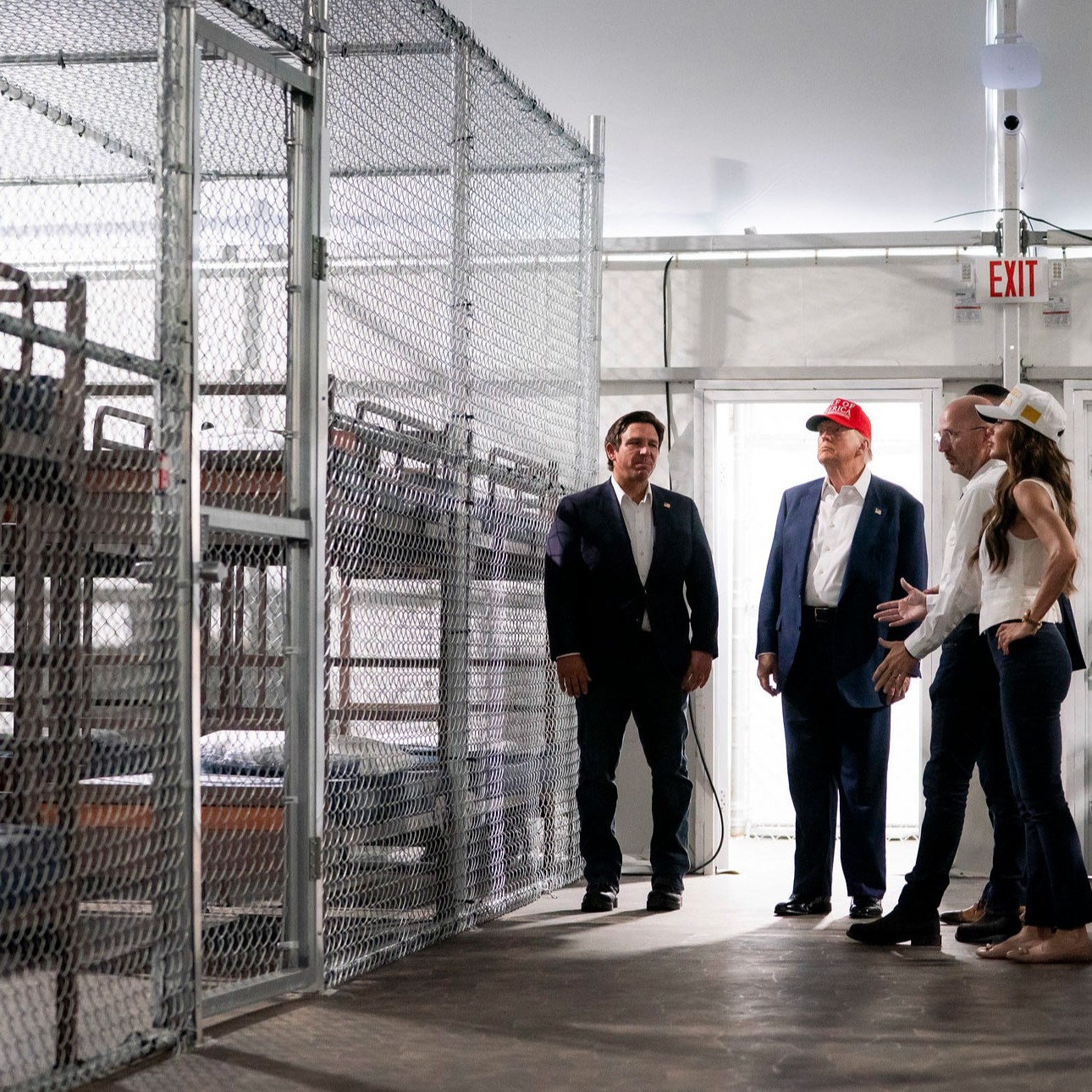


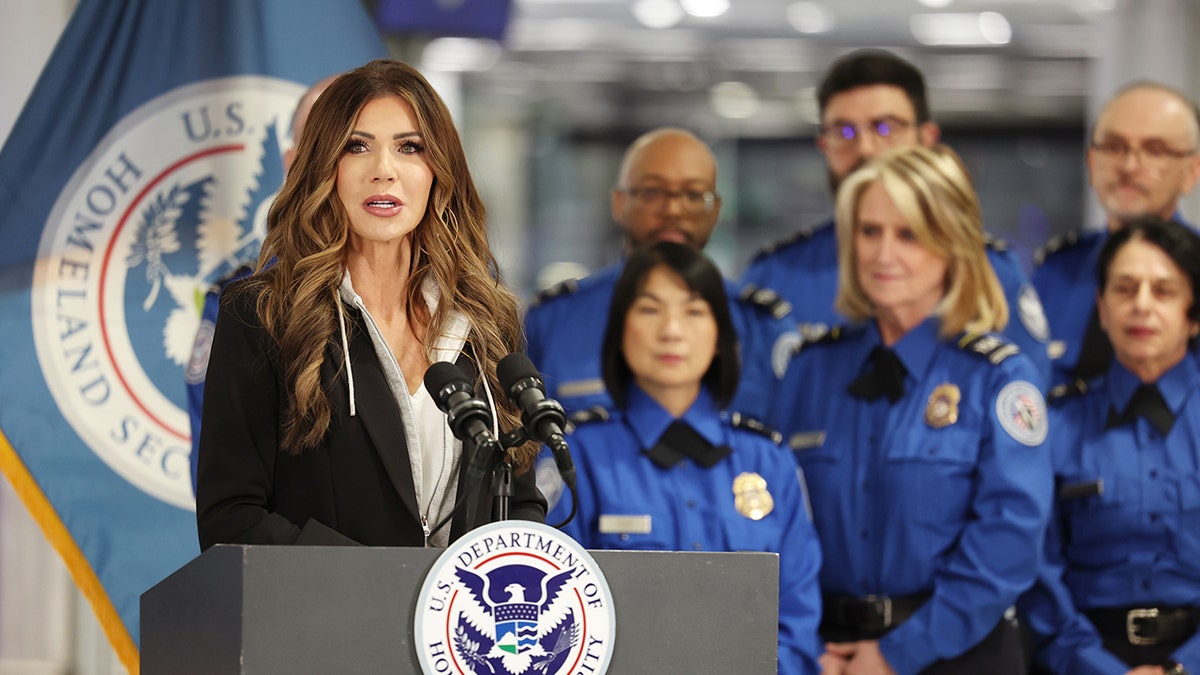
The ad looks like tough-guy governance. The blowback looks like a paper-trail problem. Now, Senate Democrats are trying to turn a Kristi Noem spotlight moment into an official inquiry with real consequences.
What You Should Know
Senate Democrats have requested an investigation tied to a homeland security-themed advertisement featuring South Dakota Gov. Kristi Noem. The dispute centers on whether government resources or the appearance of official authority were used to amplify partisan messaging.
The core fact pattern is simple: an ad featuring Noem, branded around homeland security themes, triggered a demand from Senate Democrats for outside scrutiny.
Noem, a national Republican figure who has built her profile on border politics and law-and-order messaging, is now caught in a familiar Washington fight. When does public safety messaging become campaign-style persuasion, and who gets to police the line?
The Ad, the Letter, and the Line Everyone Fights Over
Democrats are not treating the spot like just another piece of political content. Their ask centers on oversight, documentation, and whether any official channels, staff time, or taxpayer-funded infrastructure helped produce, distribute, or legitimize the message.
That distinction matters because modern political influence rarely looks like a briefcase of cash. It looks like access to settings that read as official, language that borrows institutional authority, and distribution that can carry the scent of government even when the message is political.
Republicans, meanwhile, have long argued that Democrats weaponize ethics complaints to slow down adversaries and shape headlines, especially when a rival is on the rise. The practical reality is that investigations, even when they end without a formal penalty, can still freeze momentum, drain attention, and require defensive paperwork.
Why the Legal Stakes Are Not Just Theater
Federal rules around political activity and official authority exist precisely because the government has megaphones that private actors do not. One often-cited guardrail in federal law is the ban on using official power to tilt elections.
“An employee may not use his official authority or influence for the purpose of interfering with or affecting the result of an election.”
That sentence, from 5 U.S.C. Section 7323, is the kind of language lawmakers point to when they suspect a public-facing message is doing two jobs at once: selling an institution and selling a politician.
What happens next is less about cable-news noise and more about process. The inquiry Democrats want could hinge on mundane but decisive details, including who paid for the ad, who signed off on production, what resources touched it, and how it was targeted. In these fights, the receipts, not the vibes, decide who has leverage.