Washington just handed President Trump a new homeland security boss, but the real question is who is actually steering the wheel: the Senate that confirmed him, the White House that picked him, or the agency that is running out the clock.
What You Should Know
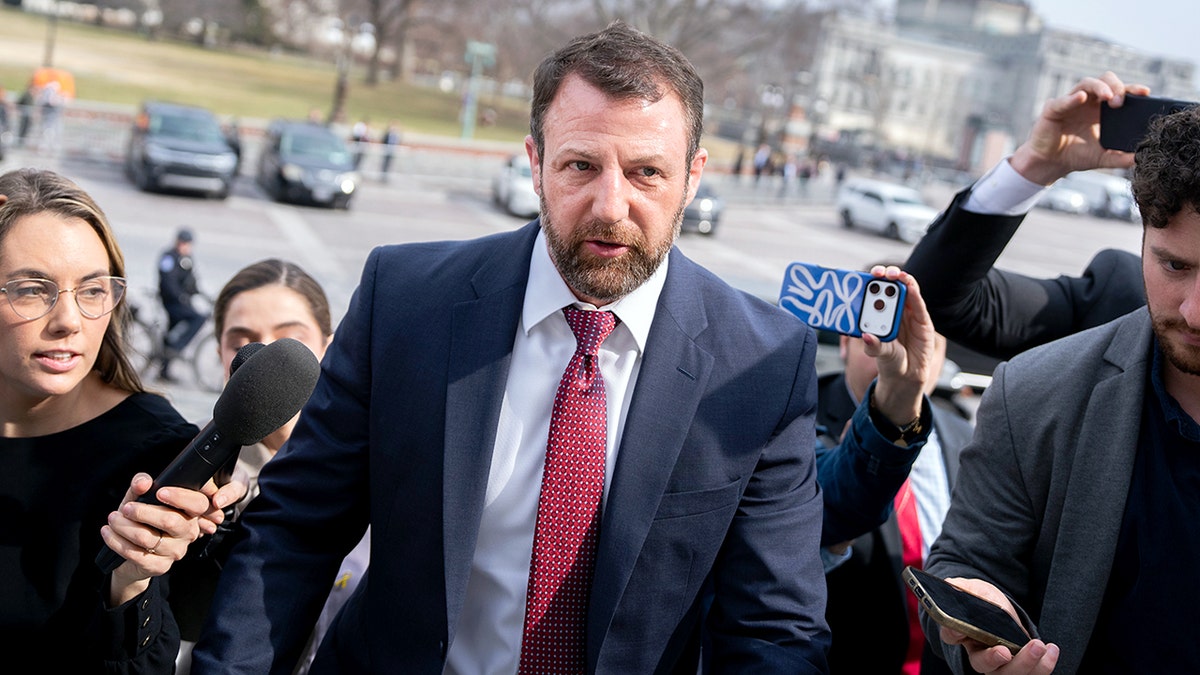
The Senate confirmed Markwayne Mullin as Secretary of the Department of Homeland Security in a 54-45 vote. He replaces Kristi Noem amid an extended DHS funding shutdown and active negotiations over immigration enforcement changes.
On March 23rd, 2026, the Senate voted to confirm Mullin, an Oklahoma Republican first elected to the chamber in 2022 and seated in 2023, putting him in charge of DHS after months of scrutiny around Noem and the agency’s direction.
Trump’s DHS Reset Comes With a 40-Day Deadline
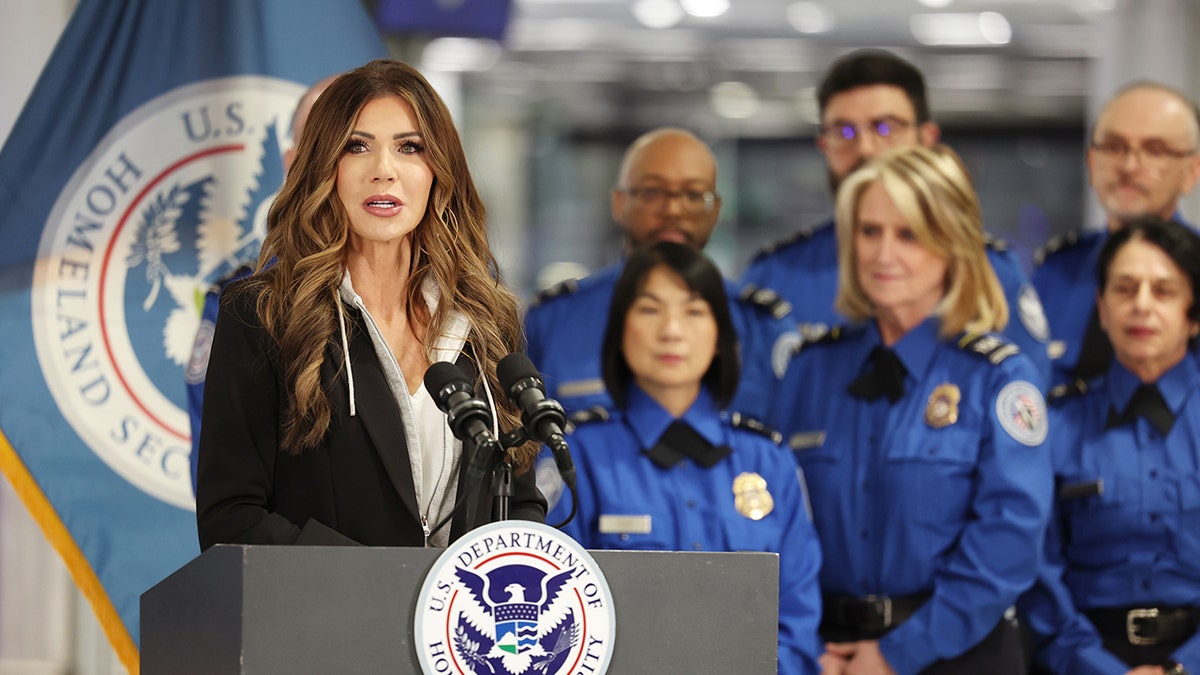
The backdrop is ugly and specific. CBS News reported that Noem was ousted earlier in March after criticism over her handling of two deadly shootings by federal agents during an immigration crackdown in Minneapolis in January, followed by blowback over DHS advertising spending raised at a congressional hearing.
Now, Mullin inherits a department described as having gone nearly 40 days without funding, with Democrats opposing money for DHS without reforms to immigration enforcement. CBS News also reported that TSA staffing shortages have snarled air travel, adding a practical problem to the political standoff.
The Vote Map Shows Weird Alliances
Mullin cleared the Senate with two Democrats, Sens. John Fetterman of Pennsylvania and Martin Heinrich of New Mexico, voting yes, while one Republican, Sen. Rand Paul of Kentucky, voted no, according to CBS News. In a city built on party discipline, that lineup is its own headline.
Paul, who chairs the committee that handled the confirmation hearing, attacked Mullin’s temperament and rhetoric, CBS News reported, questioning whether someone accused of applauding political violence should lead an agency already criticized over the use of force.
Heinrich, meanwhile, framed his support as a bet on independence, saying he wants a DHS secretary who does not “take their orders” from the White House, according to CBS News. Trump, asked what changes he wanted under Mullin, gave his own version of hands-off control, telling reporters, “He’s going to be fantastic. He’ll make his own changes.”
What Happens to DHS and Oklahoma, Next
At his confirmation hearing, Mullin promised a different management style than Noem’s, calling it “empowering people,” CBS News reported. He also signaled a policy shift with real legal stakes, indicating agents would be required to secure judicial warrants to enter homes and businesses.
That pledge comes amid Senate talks involving White House border czar Tom Homan, with Mullin expected to take a leading role going forward, CBS News reported. If he pushes warrants as a hard line, he risks alienating enforcement hawks. If he softens, he hands Democrats a fresh talking point about promises made and limits avoided.
Back home, Mullin’s exit opens an Oklahoma Senate seat, and Gov. Kevin Stitt is expected to appoint a replacement to serve until voters choose someone to finish Mullin’s term. CBS News reported Stitt is widely expected to tap Alan Armstrong, an oil and gas executive.
For Washington, the next test is not the confirmation vote; it is the funding deal and the enforcement rules that come after the cameras leave. For Mullin, the question is whether his first big move is a policy change or a loyalty test.