Donald Trump just put a hard, public warning on the table. But the real cliffhanger is not the threat. It is the clock.
Rights groups say Iran’s crackdown has already left thousands dead. Now relatives of one detainee say an execution is imminent, and a human rights monitor says the case is moving at a speed they have “never witnessed”. Trump says if Iran carries out hangings, the US response will be “very strong action”. Iran says Washington is hunting for an excuse to intervene.
That is the collision point. A superpower telegraphing consequences. A government under pressure tightening the screws. And a world trying to verify what is happening behind an internet blackout.
The line Trump drew, and why he chose this moment
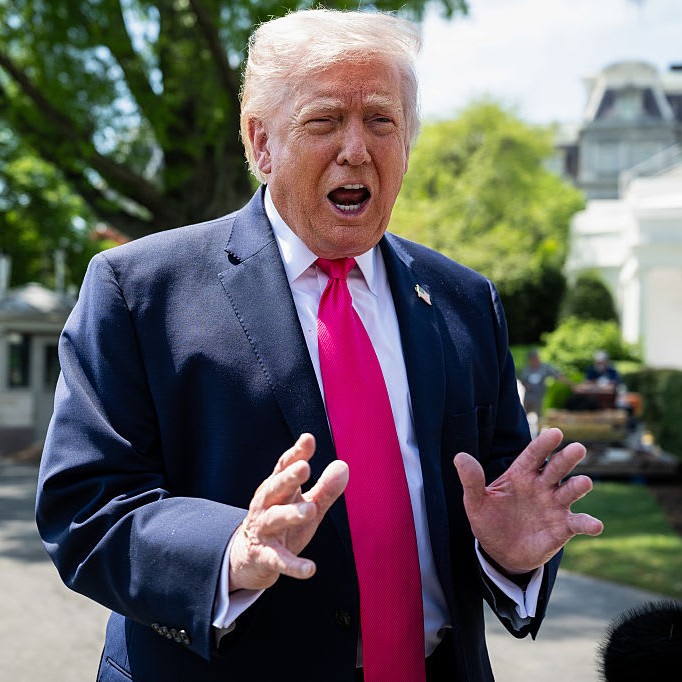
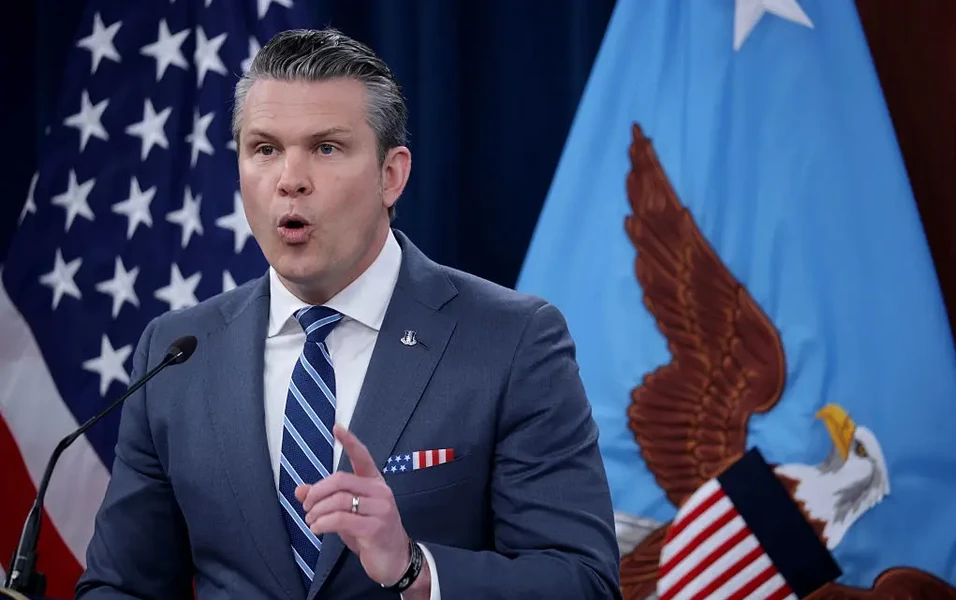
In remarks aired by CBS News and cited by the BBC, President Trump said of potential executions: “If they hang them, you’re going to see some things… We will take very strong action if they do such a thing.”
He also told reporters he wanted “accurate numbers” on deaths tied to the unrest, adding: “The killing looks like it’s significant, but we don’t know yet for certain.” Once he had the numbers, he said, “we’ll act accordingly,” according to the BBC report.
President Donald Trump said in an interview the U.S. would take strong action if Iran proceeded with executions ⬇️https://t.co/isZGauzPaU pic.twitter.com/hGrNf7RWvI
— WKYT (@WKYT) January 14, 2026
The timing matters because this is not just a protest story. It is also a verification story. Trump is signaling punishment while acknowledging uncertainty, a split-screen that gives him flexibility but also creates an opening for Tehran to call it propaganda.
One name, one case, and a death sentence relatives say took two days
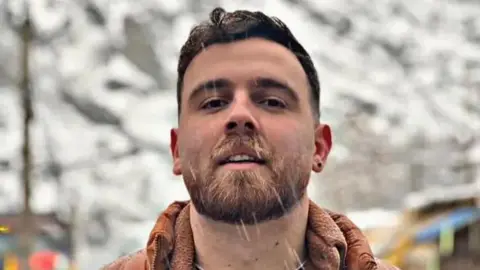
The BBC reported that relatives of 26-year-old Erfan Soltani told BBC Persian he is due to be executed on Wednesday after being detained last week. A relative said an Iranian court issued a death sentence “in an extremely rapid process, within just two days”.
A representative of the Hengaw Organization for Human Rights told the BBC they had “never witnessed a case move so quickly”. Another Hengaw representative, Awyar Shekhi, said the case showed the Iranian government is “using every tactic they know to suppress people and spread fear”.
Iran’s judiciary has not, in the BBC report, provided a full public accounting of Soltani’s case. That gap is part of the danger. When trials are fast, access is limited, and information is restricted, external verification becomes the story.
The body count dispute, and how each side frames it
Two sets of numbers are now shaping global reaction. The Human Rights Activists News Agency (HRANA), a US-based group, said it had confirmed the killing of 2,403 protesters, including 12 children, despite an internet blackout. HRANA also reported nearly 150 people affiliated with the government had been killed, and said more than 18,434 protesters had been arrested.
Iran’s account is different. An Iranian official told Reuters that 2,000 people had been killed, but blamed “terrorists”, according to the BBC.
Those competing frames are not just rhetorical. If protesters are “terrorists,” then force is cast as counterterrorism. If they are citizens demonstrating over economic collapse and politics, then executions and mass arrests look like state repression. The UN’s language lands clearly on one side of that line.
UN human rights chief Volker Turk urged Iranian authorities to halt “all forms of violence and repression against peaceful protesters immediately,” his office said, according to the BBC. He also warned that labeling protesters “terrorists” to justify violence was unacceptable, and said it was “extremely worrying” to see indications the death penalty could be used through expedited trials.
Trump’s pressure tools, and Tehran’s pushback
Trump’s warning is not coming out of thin air. The BBC reported he has been weighing military and other options, and that he announced 25% tariffs on any country trading with Iran.
On Truth Social, Trump wrote that Iranian authorities would “pay a big price” for the killings and urged people to “keep protesting,” according to the BBC. He also wrote: “I have cancelled all meetings with Iranian Officials until the senseless killing of protesters STOPS. HELP IS ON ITS WAY. MIGA!!!” The post used an acronym for “Make Iran Great Again,” which the BBC described as a US-based Iranian opposition slogan.
Tehran, for its part, is not pretending it missed the signal. Iran’s government accused the US of seeking to “manufacture a pretext for military intervention,” warning that “this playbook has failed before,” the BBC reported.
In other words, Washington says it may act to stop executions and punish killings. Tehran says Washington is building a justification to strike. Each statement is designed for an audience beyond the other capital.
Inside the blackout, a trail of warzone medicine and verified videos
One reason the numbers fight is so intense is that communications have been squeezed. The BBC reported the internet shutdown passed 132 hours, citing the monitoring group NetBlocks. Some international calls reportedly began going through, but the broader cutoff made outside confirmation harder.
At the same time, the BBC described on-the-ground reports that sound like a country trying to seal information in place. One person near Tehran with Starlink satellite access told BBC Persian there were “checkpoints in every block,” with security forces inspecting cars and phones.
Medical accounts suggest a surge of casualties. Prof Shahram Kordasti, an Iranian oncologist based in London, told the BBC’s Newsday he received a message from a colleague in Tehran saying: “In most hospitals, it’s like a warzone. We are short of supplies, short of blood.” Kordasti added that doctors at “two to three hospitals” said they treated hundreds of injured or dead people.
And even with the blackout, images are leaking. The BBC said it verified videos filmed in Arak and in the western cities of Tabriz, Urmia, and Khorramabad. In footage from Khorramabad, the BBC reported gunfire could be heard during clashes as some protesters threw stones.
Why this uprising looks different, and why executions raise the stakes
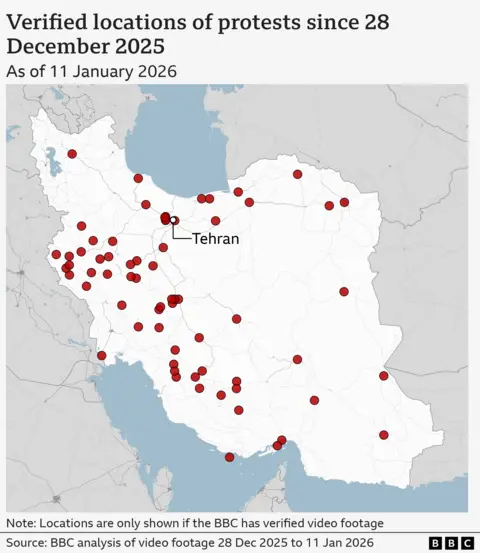
The BBC reported the protests spread to 180 cities and towns across all 31 provinces, initially driven by anger over a currency collapse and a soaring cost of living. The demonstrations quickly widened into demands for political change, becoming one of the most serious challenges to Iran’s clerical establishment since the 1979 Islamic revolution.
That context matters because crackdowns can be calibrated. Mass arrests and internet shutdowns can be scaled up or down. Executions are harder to walk back. They also create martyrs, intensify international scrutiny, and invite a retaliation cycle.
Iran’s judiciary chief, Gholamhossein Mohseni Ejei, said those involved in the unrest would be “dealt with seriously and severely,” according to the BBC. Prosecutors have said some will be charged with “enmity against God,” a national security offense that carries the death penalty.
Trump is effectively betting that a loud warning will change Tehran’s calculus. Iran is betting that it can frame US threats as foreign meddling and continue to assert control.
What to watch next, and the one question nobody can dodge
There are three pressure points to track: whether Iran carries out executions of protest-linked detainees, whether independent groups can keep confirming deaths and arrests during communications restrictions, and whether Trump’s tariff threat expands into broader sanctions or other moves.
But the immediate question is brutally simple. If an execution is carried out after this level of international attention, does Washington escalate, or does it recalibrate once it has what Trump called “accurate numbers”?
For now, the US president has put his warning in plain language. “If they hang them,” he said, “you’re going to see some things.”