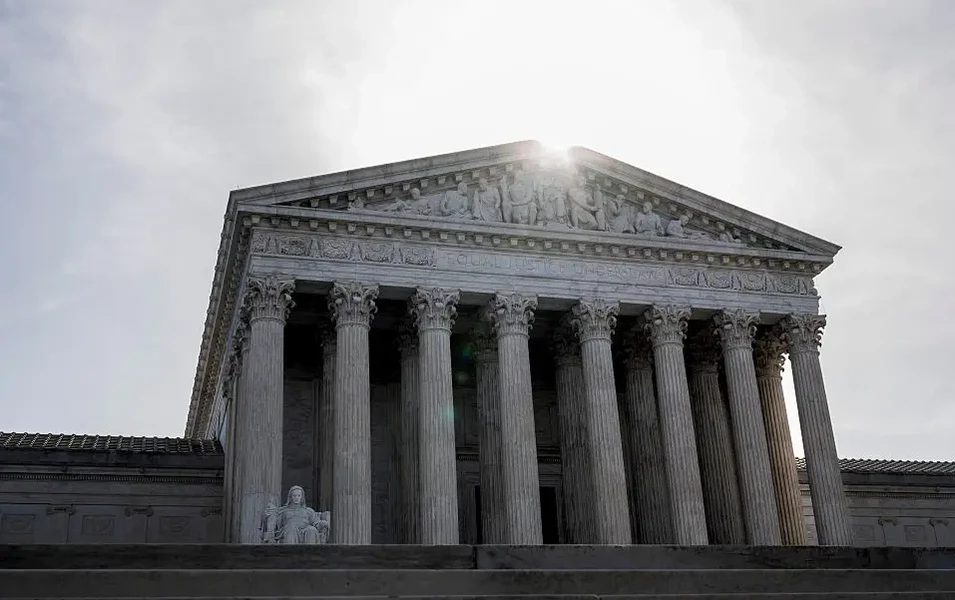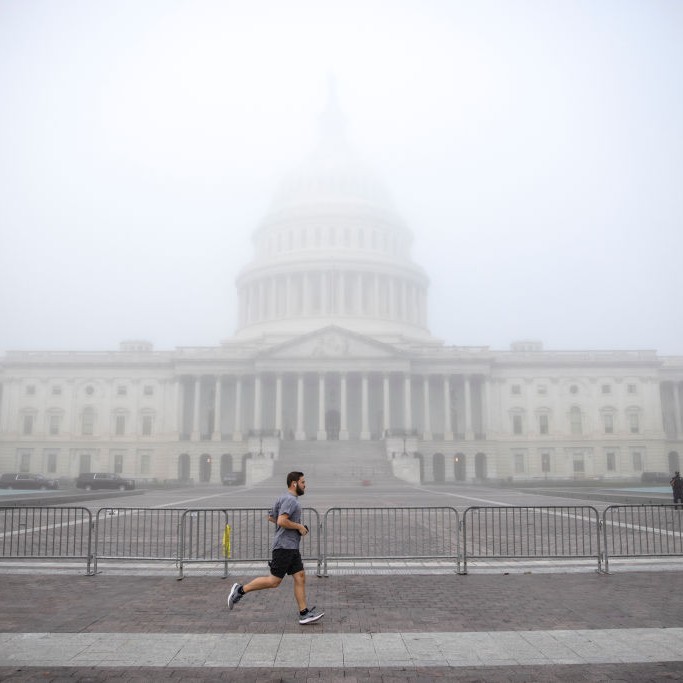
The Supreme Court is about to decide whether admitting to marijuana use can cost you your gun rights, even if the gun never leaves the house.
What You Should Know
The Supreme Court is scheduled to hear United States v. Hemani, a case challenging the federal ban on firearm possession by unlawful drug users. The dispute tests how the court’s 2022 Bruen decision applies to disarming broad categories of people.
At the center is Ali Hemani, a Texas defendant charged under a 1968 Gun Control Act provision after agents found a Glock pistol and drugs during a search, and he acknowledged using marijuana several times a week, according to court papers.
The Law at the Center of the Fight
The statute is 18 U.S.C. 922(g)(3), which makes it a felony for an unlawful user of controlled substances to possess a firearm. The Justice Department has said violations can carry penalties of up to 15 years in prison, and it estimates roughly 300 cases are charged each year.
Hemani’s case is built around a question the justices have been inviting since 2022: after New York State Rifle and Pistol Association v. Bruen, can the government keep modern gun restrictions if it cannot show they fit the nation’s historical tradition of firearm regulation?
Trump’s DOJ, Strange Allies
The twist is political. President Trump has framed himself as a Second Amendment bulldozer, but his Justice Department is urging the Supreme Court to uphold this ban, arguing it targets habitual drug users and works as a temporary restriction that ends when drug use stops.
That position has produced an odd lineup. Gun violence prevention groups are siding with the administration on the law’s validity, while the American Civil Liberties Union is helping represent Hemani alongside gun-rights groups that want the restriction struck down.
Brandon Buskey, the ACLU’s Criminal Law Reform Project director, summed up the stakes in the simplest possible terms, saying, “the heart of the government’s case against our client, Mr. Hemani, is that he can be prosecuted and subject to a prison term of up to 15 years simply by virtue of admitting to regular marijuana use and having a gun that was safely secured in his home.”
What the Justices Could Do Next
Both sides are trying to define the size of the ruling before it even lands. Hemani’s lawyers argue the case is narrow, focused on whether an occasional user can be disarmed without proof he was under the influence while possessing the gun, a view that tracks earlier Fifth Circuit reasoning.
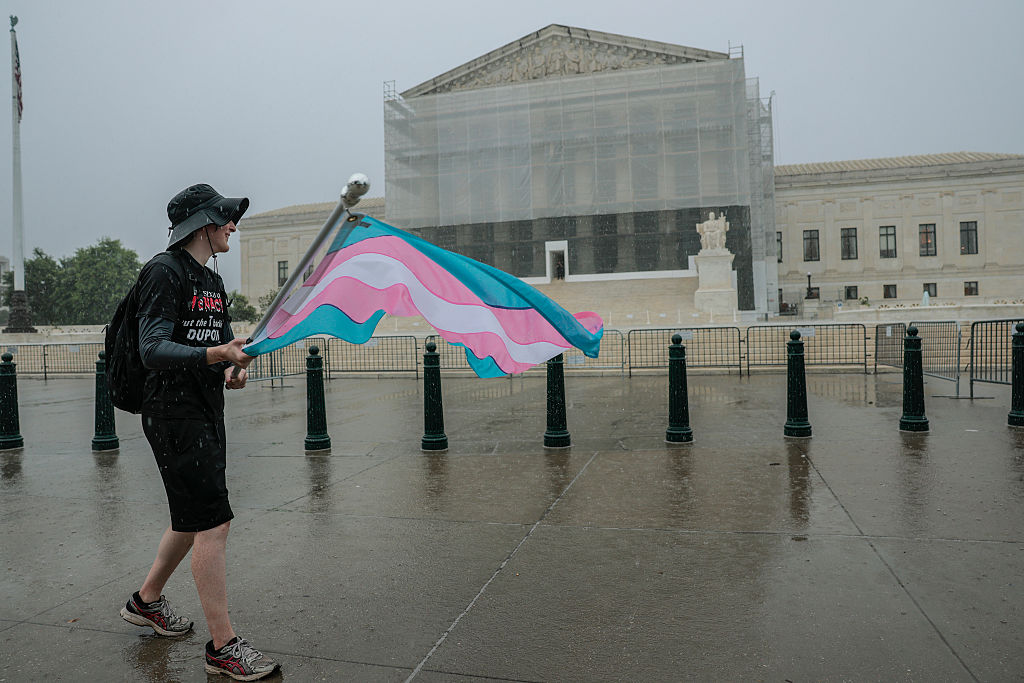
But the consequences could be wide, because marijuana legality is a patchwork, while federal gun law is not. Watch for how the justices describe the category being disarmed, how much they care about in-home possession versus public carry, and whether Bruen’s history test turns into a permission slip or a brake for lawmakers.