

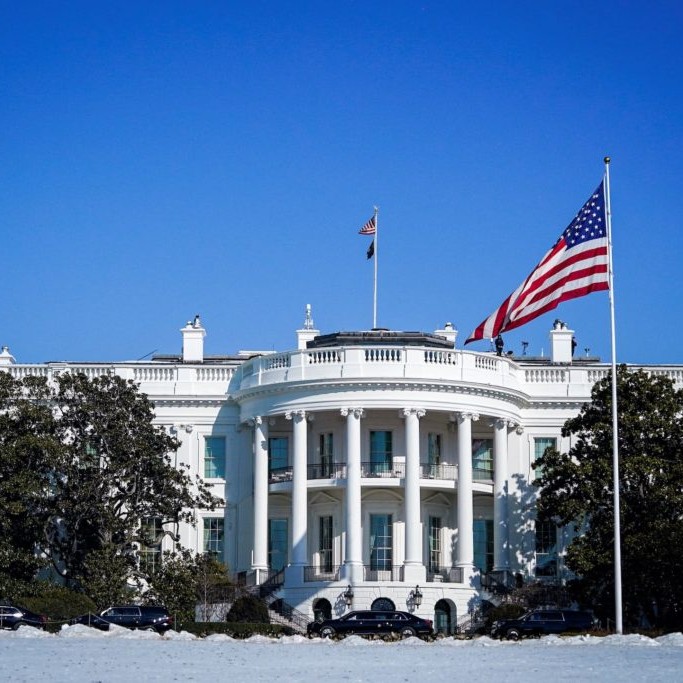
The White House is floating a diplomatic opening with Iran, but it is wrapped in a riddle: officials say Tehran’s “new potential leadership” wants to talk, even as the U.S.-Israeli operation “continues unabated.” Who, exactly, is offering talks, and what are they offering in return?
What You Should Know
In an Associated Press report published March 1st, 2026, a senior White House official said Iran’s “new potential leadership” has suggested it is open to talks with the U.S. President Donald Trump said he is “eventually” willing to talk.
The AP report, carried by PBS NewsHour, says American and Israeli forces launched major strikes on Tehran that killed Iran’s supreme leader and other high-ranking officials, jolting the Islamic Republic into a succession scramble with regional escalation risks.
The ‘New Leadership’ Mystery
The administration’s headline claim has an immediate hole in it: the official spoke anonymously and did not identify the would-be Iranian interlocutors, or explain how the message was delivered. That vagueness matters because the same briefing line says the military campaign is still pressing forward.
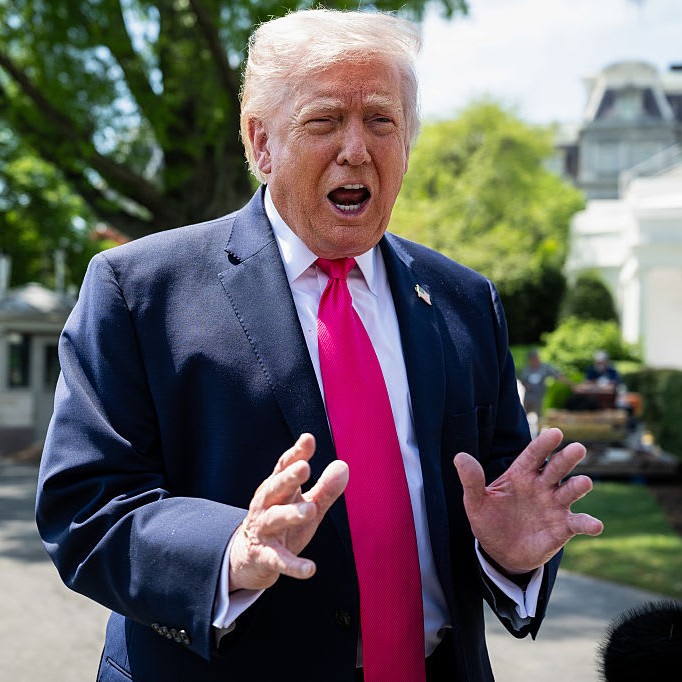
Trump, meanwhile, gave the clearest public signal of intent in an interview with The Atlantic, according to the AP account. “They want to talk, and I have agreed to talk, so I will be talking to them,” Trump said, while declining to specify when.
Bombers, Intel, and the Receipts
On the kinetic side, the AP report says U.S. Central Command described B-2 stealth bombers striking Iranian ballistic missile facilities with 2,000-pound bombs, a detail designed to telegraph capability and control. The White House justification, per the report, has leaned on Trump arguing Iran was building missiles that could reach the U.S. homeland.
But the receipts around that rationale are more conditional than the rhetoric. The AP report notes Iran has not acknowledged building intercontinental-range missiles, and it cites an unclassified Defense Intelligence Agency assessment that Iran could develop a militarily viable ICBM by 2035 “should Tehran decide to pursue the capability.”
What Happens if Talks Start While Bombs Fall
Then there is the intelligence layer, which often decides whether diplomacy is real or theater. The AP report says a person familiar with the operation described CIA tracking of senior Iranian leaders, including Ayatollah Ali Khamenei, with intelligence shared to Israeli officials and timing adjusted around location data, a claim that The New York Times previously reported.
At home, the split-screen is already forming: Sen. Tom Cotton pointed to elite intelligence priorities on CBS’s “Face the Nation,” while Sen. Mark Warner told The Associated Press, “No tears will be shed over their leadership being eliminated, but always the question is: OK, what next?” If talks actually materialize, watch for a name, a channel, and a verifiable pause point, because “eventually” is not a plan.