Donald Trump is not selling victory. He is selling endurance, and he is doing it while counting bodies, watching oil jump, and pulling allies closer to the blast radius.
What You Should Know
In a BBC World Service episode released March 2nd, 2026, President Donald Trump warned that more US military personnel are likely to be killed as the US and Israel continue attacks on Iran. The BBC reported that three US service members have already died after Iranian retaliatory strikes on military sites.
The headline is simple, but the power play is not. Trump is publicly bracing Americans for more deaths while arguing the campaign can run long enough to reshape the region, and that combination raises a brutal question for Washington: how many losses can this mission absorb before politics forces a change?
The Warning, and the Timeline
According to the BBC, Trump framed the conflict as one that will keep costing American lives, even as operations expand. He also put a rough clock on the campaign, saying, “Operation Epic Fury could last weeks.”
That timeline matters because it pushes the story past a quick strike and into the kind of sustained fight that starts chewing through equipment, alliances, and public patience. It also turns every additional casualty into a referendum on whether the operation is protecting US interests or compounding risk.
The BBC described the war widening beyond Iran, with Israel and Hezbollah exchanging fire, and the Israel Defense Forces striking targets in Beirut’s southern suburbs. When multiple fronts start lighting up, the room for quiet diplomacy shrinks, and the chances of miscalculation climb.
Allies, Bases, and the Price of Oil
Then there is the supporting cast and the leverage that comes with it. The BBC reported the UK said it will allow the US to use British bases, a move that can speed logistics and amplify reach, but also ties London more tightly to whatever comes next.
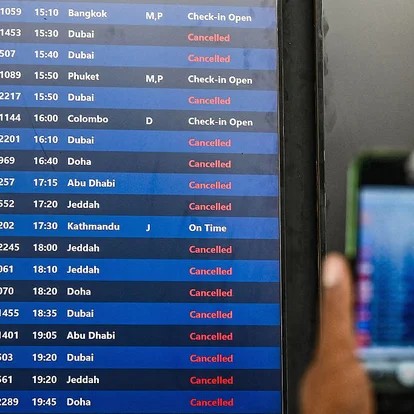
Markets, meanwhile, are acting like they believe escalation is not theoretical. The BBC reported that oil prices surged after Iran warned tankers to avoid the Strait of Hormuz, a choke point that makes energy traders flinch even when shots are not being fired at ships.
Trump’s warning about more deaths lands, in other words, inside a stack of consequences that do not wait for Congress or press conferences. If shipping routes look threatened and allied bases become part of the operating map, the conflict stops being a distant battle plan and starts looking like a system-wide stress test.
The Intelligence Shadow Play
The BBC also said the episode looks at Mossad and the CIA’s intelligence efforts connected to the assassination of Iran’s Supreme Leader, Ayatollah Ali Khamenei. Even as a subject of reporting and analysis, that focus signals how high the stakes are, and how sensitive the endgame has become.
For now, the public line is blunt: more Americans may die, and the operation may keep going. The next test will be whether leaders can keep allies aligned and energy markets calm, or whether the widening battlefield forces a faster, messier pivot.