Federal judges are used to being unpopular. What they are not used to, several told “60 Minutes,” is the new rhythm of American politics: a ruling lands and then the threats start stacking up.
What You Should Know
In 2025, 400 federal judges were targets of serious threats, a 78% increase compared to four years earlier, according to the U.S. Marshals Service. A “60 Minutes” report ties the surge to intensified political attacks on judges, an argument the White House disputes.
The flashpoint, according to CBS News, is the collision between Trump-era executive power plays and a court system that keeps saying no, sometimes with injunctions that freeze major policies in their tracks. The stakes are not just legal. Judges and former judges say the environment is turning their homes, families, and personal data into pressure points.
The Threat Spike and the Blame Game
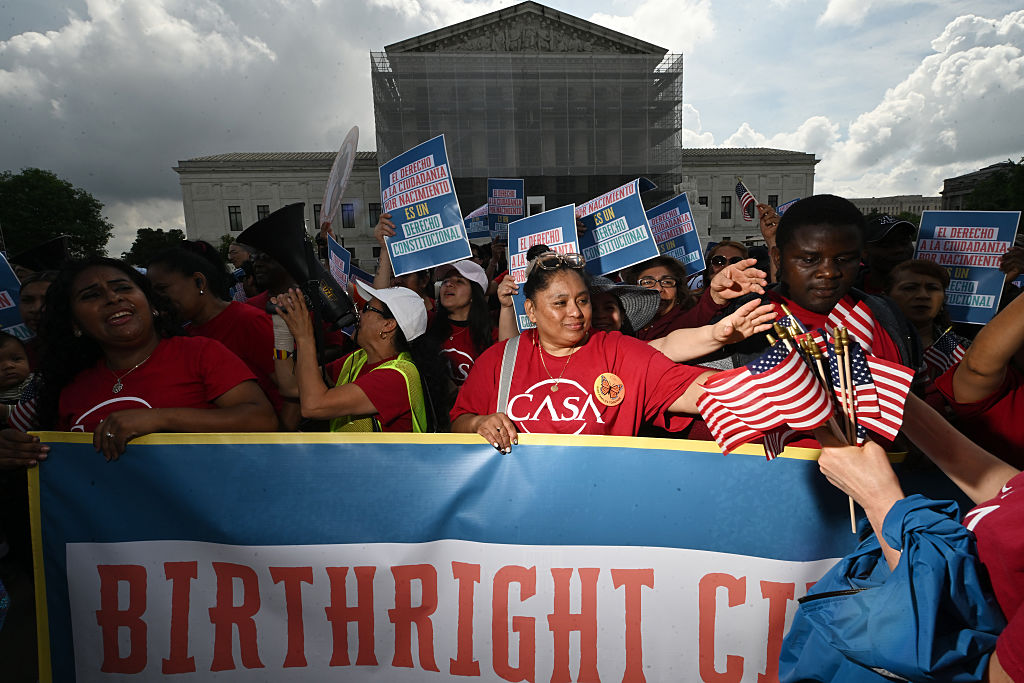
Federal District Judge John Coughenour, a Reagan appointee, told “60 Minutes” he was hit with “dozens if not hundreds” of death threats after he temporarily blocked President Trump’s birthright citizenship executive order in January 2025 and called it “blatantly unconstitutional.” He added, “I have never encountered the hostility toward the judiciary that has existed in this country in the last year.”
Trump has a long record of publicly denouncing judges who rule against him, and CBS News reported that waves of threats often follow. The White House pushed back hard, saying it was “deeply unserious” to suggest the administration’s comments could lead to threats, while arguing that the judiciary has issued “unlawful rulings” that obstruct voters’ choices.
Even some judges appointed by Republicans told “60 Minutes” they see a strategic project underway, delegitimize the referee, then dare Congress to do anything about it. Retired Judge John Jones, a George W. Bush appointee, described a “very dormant” Congress, with a presidency eager to define the law, not just execute it.

The Tactics Getting Personal
The intimidation, judges and security officials say, is not limited to angry emails. Coughenour said armed deputies showed up at his home after a hoax report claimed he had killed his wife, an incident consistent with the broader swatting phenomenon that law enforcement agencies have warned can escalate into real violence.
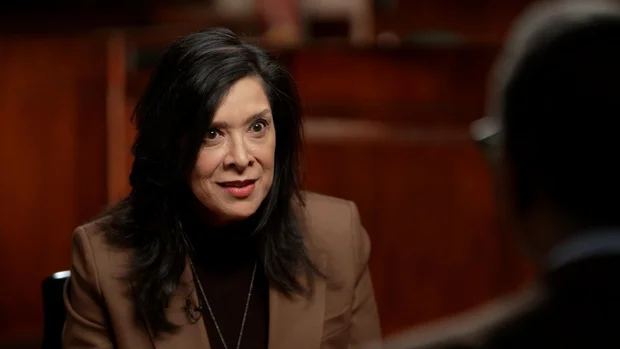
“60 Minutes” also reported on “pizza doxxing,” unsolicited deliveries sent to judges’ homes to signal that someone has their address. Judge Esther Salas, whose son Daniel was killed in a 2020 attack at her New Jersey home, said pizzas were sent in Daniel’s name to other judges, a reminder that the worst-case scenario is already on the books.
What Happens if Courts Back Down
One detail in the CBS report that reads like a pressure gauge is the litigation load itself, more than 600 lawsuits challenging the administration’s agenda. When that many policies are in court at once, injunctions become a routine weapon, and judges become the visible barrier between a president’s next move and the ability to carry it out.
Threats also come from the left, the report noted, including cases involving judges who have ruled in Trump’s favor. Still, the immediate question hanging over Washington is simple: if public officials keep describing judges as enemies, and if personal intimidation keeps spreading, how long before the judiciary starts ruling with security in mind?
Jones and other retired judges have formed a bipartisan group to lobby the White House, arguing that physical danger is no longer hypothetical. The courts can absorb political heat, but the U.S. Marshals Service has to absorb the rest, and the volume is rising.