

The first U.S. deaths are now on the board, and the details are pointing to a place Washington usually prefers to keep in the background: a base in Kuwait.
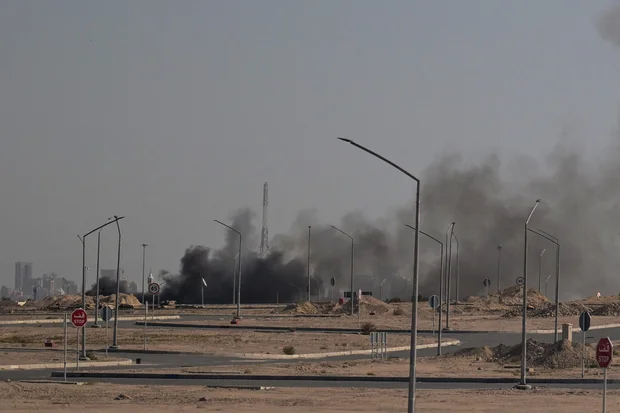
What You Should Know
The Pentagon confirmed three U.S. service members have been killed, the first reported American fatalities in the operation. CBS News reported the casualties involved American personnel based in Kuwait, as Trump and Netanyahu signaled the campaign is not slowing.
CBS News framed the moment as Day 2 of a U.S.-Israel war on Iran, with the Pentagon confirming deaths, the White House messaging about endurance, and Israel warning its strikes will intensify.
Kuwait Is the Quiet Staging Ground, Until it Isnt
The Pentagon confirmation changes the political math fast. Airstrikes can be sold as precision and distance, but fatalities make the operation personal, and they widen the circle of decision-makers who start asking for timelines, targets, and exit ramps.
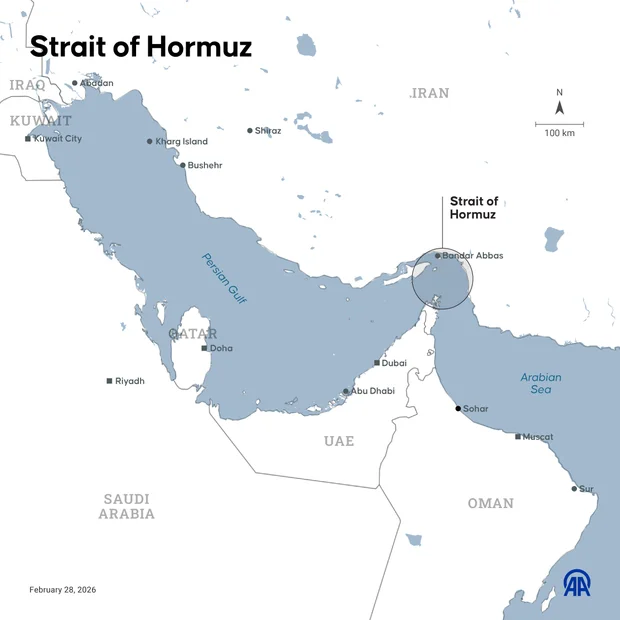
CBS News reported the three service members were based in Kuwait, a key hub for U.S. forces in the region. That detail matters because it puts a recognizable flag on the map and hints at the kind of infrastructure, logistics, and exposure this operation is relying on.
At the same time, casualty reporting is where governments get cautious. Even when officials confirm a number, they often release limited details about circumstances, units, or locations, especially early, while families are notified and operational risks are assessed.
Trump Puts a Timeline on a War, Israel Signals Escalation
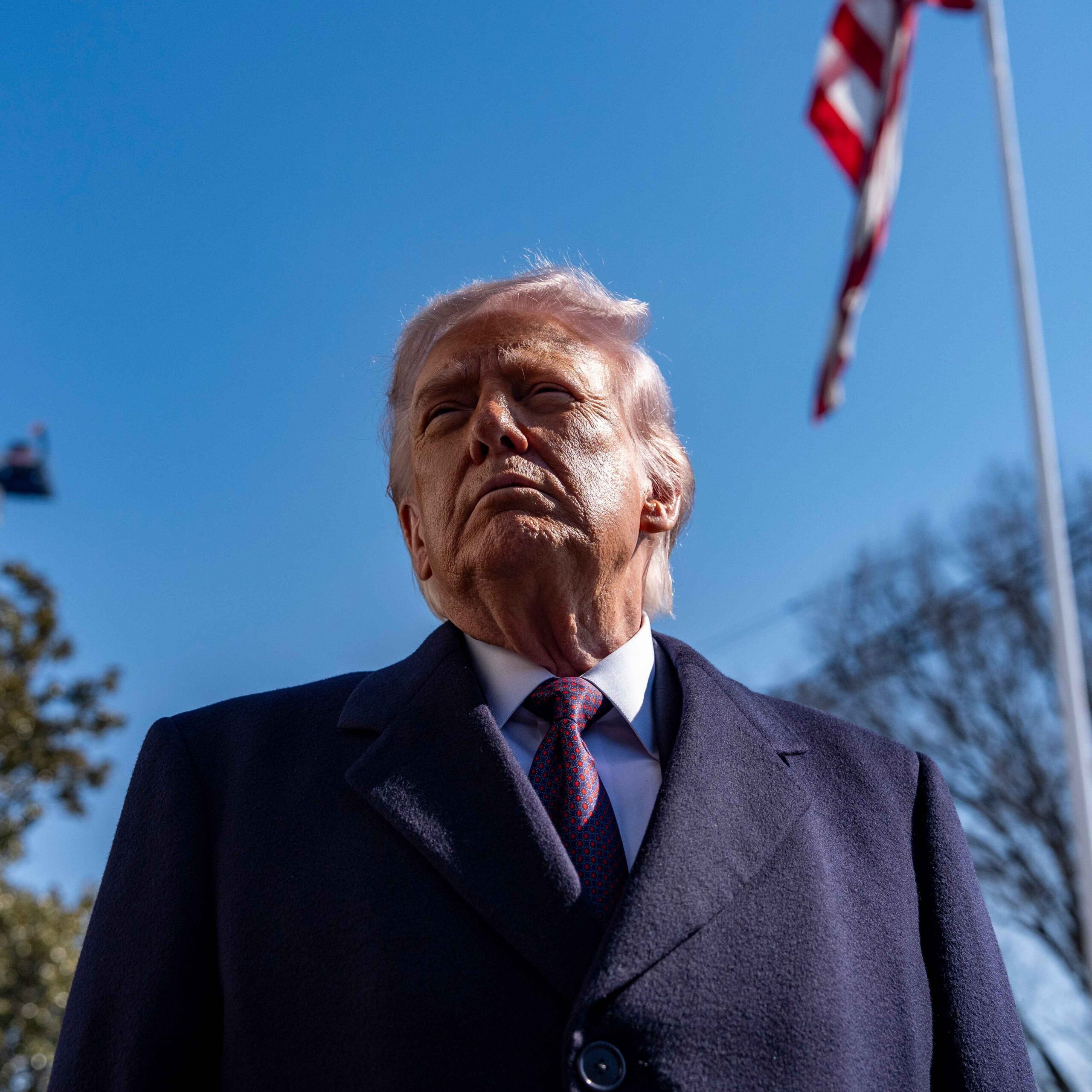
Trump tried to set expectations from the top. CBS News reported he released a video message saying the operation will continue until “all of our objectives are achieved,” while also warning that more casualties are possible.
He also put a deadline-shaped marker in the ground, telling an interviewer it could “take four weeks or less.” That kind of public timeline can be a show of confidence, but it also creates a scoreboard, and adversaries, allies, and critics all know how to use it.
Israel, meanwhile, is selling momentum, not a stop point. CBS News reported Prime Minister Benjamin Netanyahu said his country’s strikes on Iran “will increase even more in the coming days.” If Washington is trying to sound like the adult with a calendar, Jerusalem is signaling escalation, and that split in emphasis is its own kind of pressure.
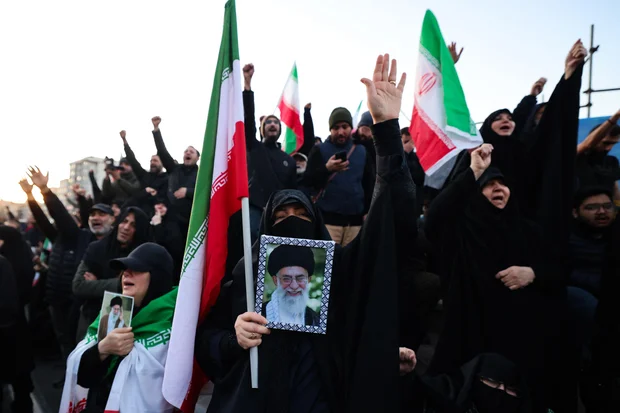
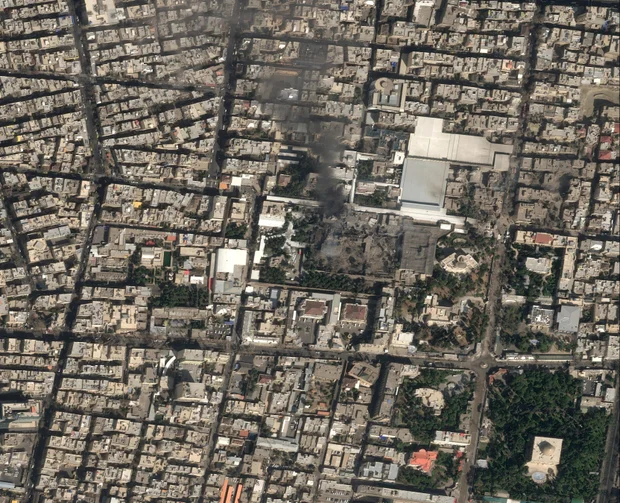
CBS News also reported that Iran’s Supreme Leader Ayatollah Ali Khamenei was killed, along with about 40 senior regime figures, during the initial onslaught. If that claim is borne out beyond initial reporting, it raises the stakes from degrading capabilities to reshaping a state, and it sharpens questions about retaliation, succession, and whether either side can actually control what happens next.
The next markers to watch are concrete: additional casualty announcements, any public accounting of objectives, and whether regional partners tighten or loosen access and basing. Once fatalities enter the storyline, the war stops being abstract and the timeline becomes a test rather than a promise.