What You Should Know
Marking US currency is not automatically a crime, but federal law targets defacing money when it is done with the intent to make it unfit for circulation. The Federal Reserve has tracked a long decline in cash use, even as political culture keeps finding new ways to make cash symbolic.
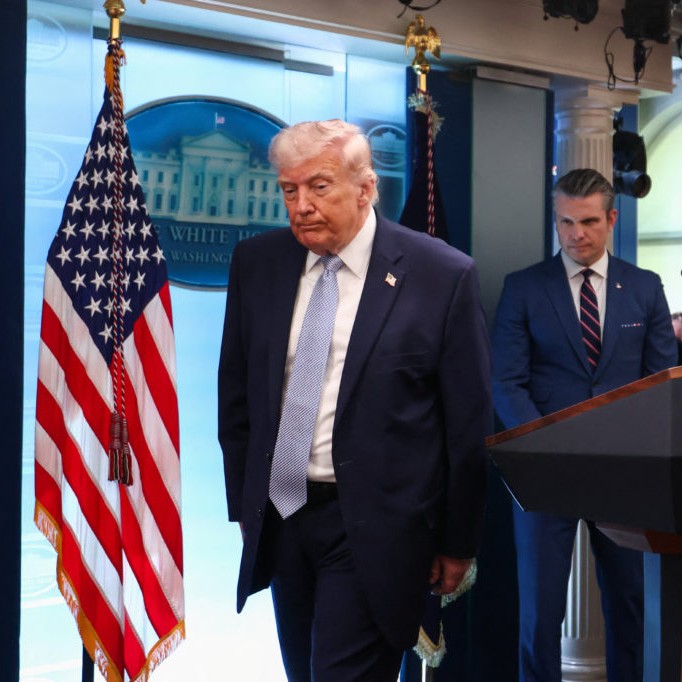
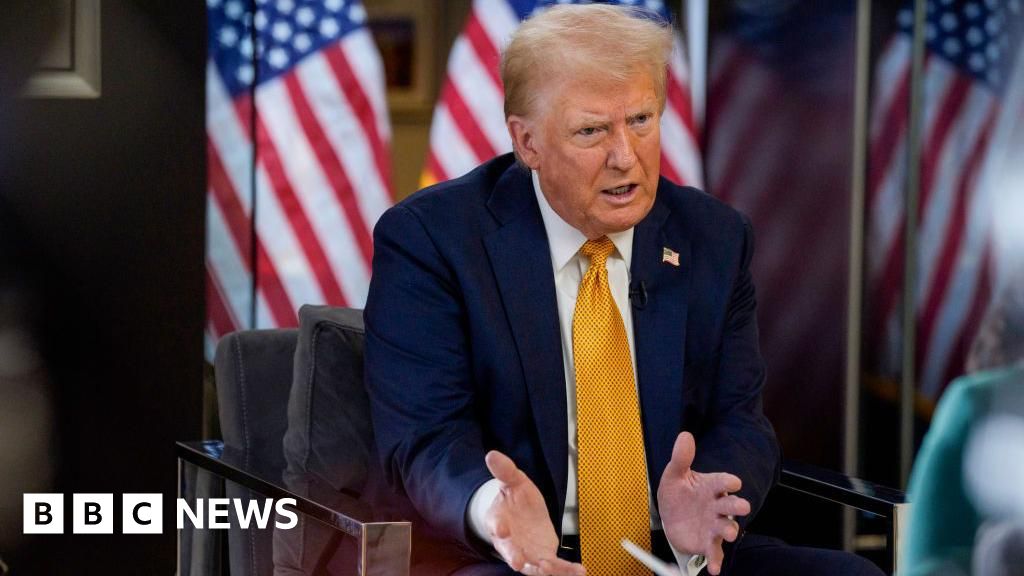
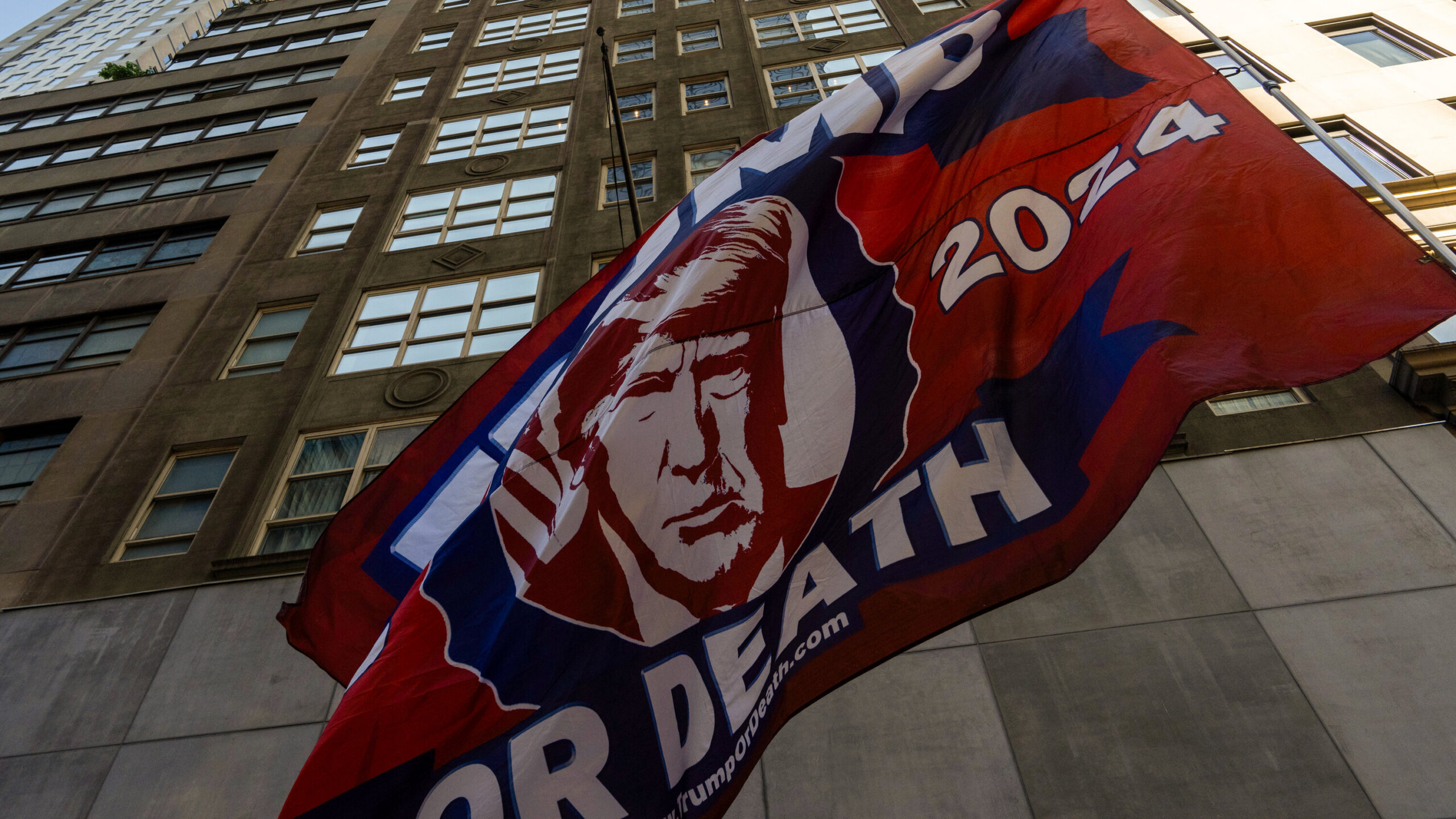
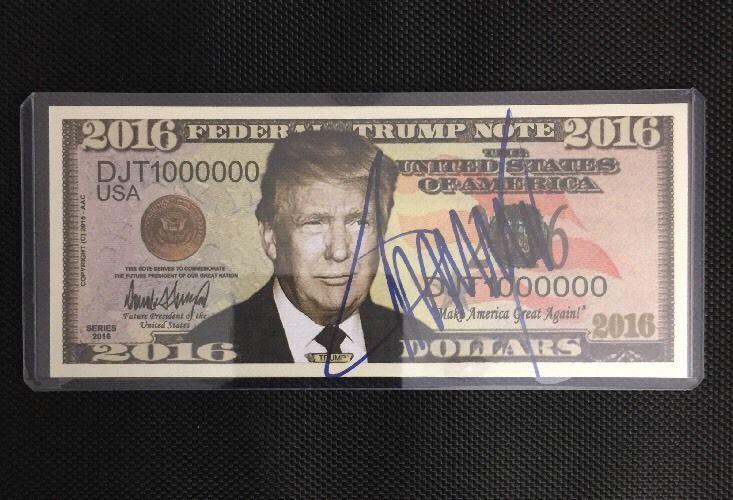
The latest political souvenir floating around MAGA world is not a hat, a flag, or a rally wristband. It is cash itself, recast as a collectible through the simplest upgrade possible: a Trump autograph.
The Cash Flex, Explained
The pitch is obvious. If you can get a former president to sign something that already fits in your wallet, you have a story, a keepsake, and an instant conversation starter that can travel farther than a poster ever will.
But the signature is also a power move in miniature. A bill is issued by the government, designed for circulation, and backed by institutional trust. When a political figure turns it into a piece of memorabilia, the object quietly switches teams without ever leaving your pocket.
Where the Law Actually Lands
There is a reason this gimmick triggers legal questions. A federal statute does not say, “do not write on money.” It says intent matters, especially if the goal is to wreck a bill so it cannot do its job.
Under 18 U.S. Code Section 333, the crime hinges on whether someone defaces currency “with intent to render such bank bill … unfit to be reissued.” A quick autograph is not the same thing as shredding, bleaching, or punching holes through a stack to take it out of circulation, but the statute is built to protect the system, not the vibes.
Why the Gimmick Works
The timing is not accidental. The Federal Reserve has documented Americans steadily shifting away from cash for everyday transactions, even as cash retains a cultural edge as the most tangible form of money. A signed bill tries to have it both ways: cash as spendable currency, and cash as a relic.
The messier question is what happens after the handshake. If signed bills are treated as collectibles and resold, the story shifts from quirky memento to a market, and markets create incentives. The next controversy would not be about ink. It would be about who is selling, who is buying, what the markup says about influence, and whether the cash-turned-collectible becomes just another lane for political profiteering.
For now, the signature-bill buzz sits in that classic gray zone where a small act carries bigger symbolism. Watch whether the practice stays a novelty or turns into a repeatable pipeline from campaign spectacle to private resale.