Priscilla Villarreal built an audience by getting information first. Texas authorities said that hustle crossed a line. On March 23rd, 2026, the Supreme Court chose not to stop the fallout.
What You Should Know
On March 23rd, 2026, the Supreme Court rejected Priscilla Villarreal’s appeal, leaving in place a Fifth Circuit ruling that blocks her from suing Texas officials over her 2017 arrest. Justice Sonia Sotomayor dissented.
Villarreal, a Texas-based online citizen journalist known as La Gordiloca, has argued she was arrested to punish routine newsgathering. Police and prosecutors have said her conduct involved obtaining nonpublic information under a state law they treated as criminal.
The Case, a Facebook Scoop, and a Legal Shield
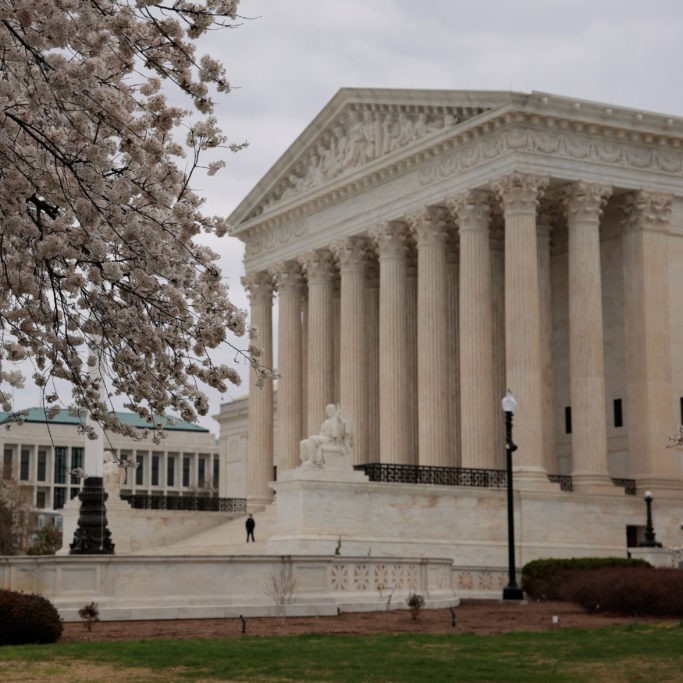
According to The Associated Press, the justices declined to hear Villarreal’s case, which means a divided U.S. Court of Appeals for the Fifth Circuit decision remains the controlling result for her lawsuit against officers and other officials in Laredo and Webb County.
The underlying facts are deliberately uncomfortable. Villarreal sought and received, from a police officer, the identity of a person who died by suicide and the names of a family involved in a car crash, then posted the information on Facebook, The Associated Press reported. The arrest affidavit said she was chasing followers.
A state judge later dismissed the criminal case, finding the law used to arrest her in 2017 unconstitutional, according to The Associated Press. Villarreal then tried to sue for damages, and the Fifth Circuit, in a 9-7 split, said the officials she sued were entitled to legal immunity.
Justice Sonia Sotomayor dissented from the Supreme Court’s refusal to take the case, writing, “It should be obvious that this arrest violated the First Amendment.” She was outvoted, and the court did not explain its decision.
Why the Fifth Circuit Fight Matters
Villarreal’s lawyers framed the stakes as greater than a single Facebook page, telling the Supreme Court that “The Fifth Circuit has doubled down on granting officials free rein to turn routine news reporting into a felony,” according to The Associated Press account of the filing.
The Supreme Court had previously told the Fifth Circuit to take another look at Villarreal’s dispute after a separate Texas case involving an alleged retaliatory arrest. Oyez’s case materials on “Gonzalez v. Trevino” and “Nieves v. Bartlett” outline the court’s modern framework for weighing retaliatory-arrest claims, including how probable cause can complicate First Amendment challenges.
For law enforcement agencies, the immunity ruling reduces personal exposure for officers and officials when arrests are later challenged as retaliation. For journalists, including citizens working without institutional backing, it raises a simpler question with expensive consequences: when does asking a source for information become a pretext for handcuffs? Villarreal’s criminal case was thrown out, but her civil path is now narrowed, and the legal line in the Fifth Circuit looks hard to move.