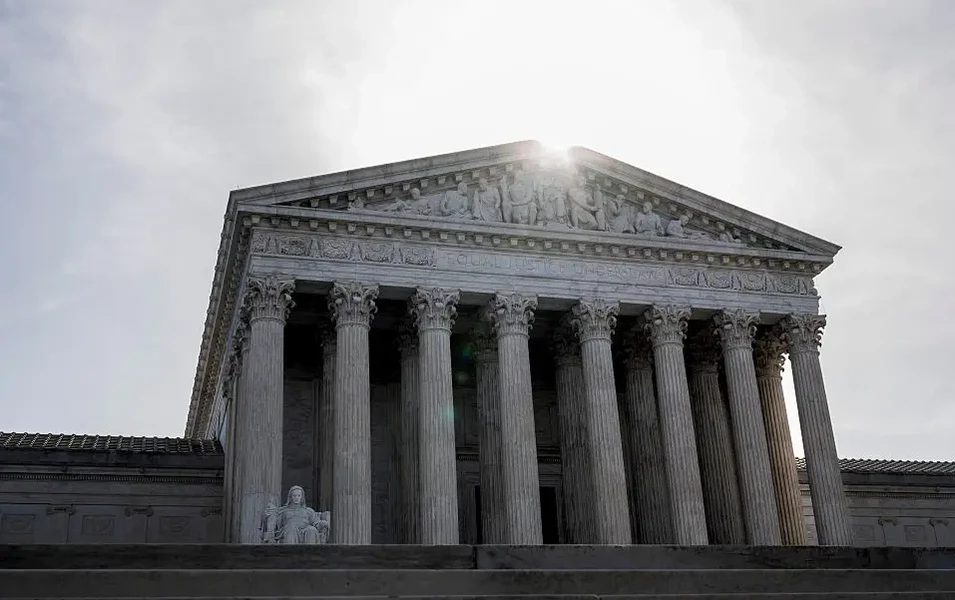


The Supreme Court does not run elections, but election lawyers keep treating it like the last ballot box. The recurring question is simple and expensive. When state rules collide with real-world voting, who gets to rewrite the fine print?
What You Should Know
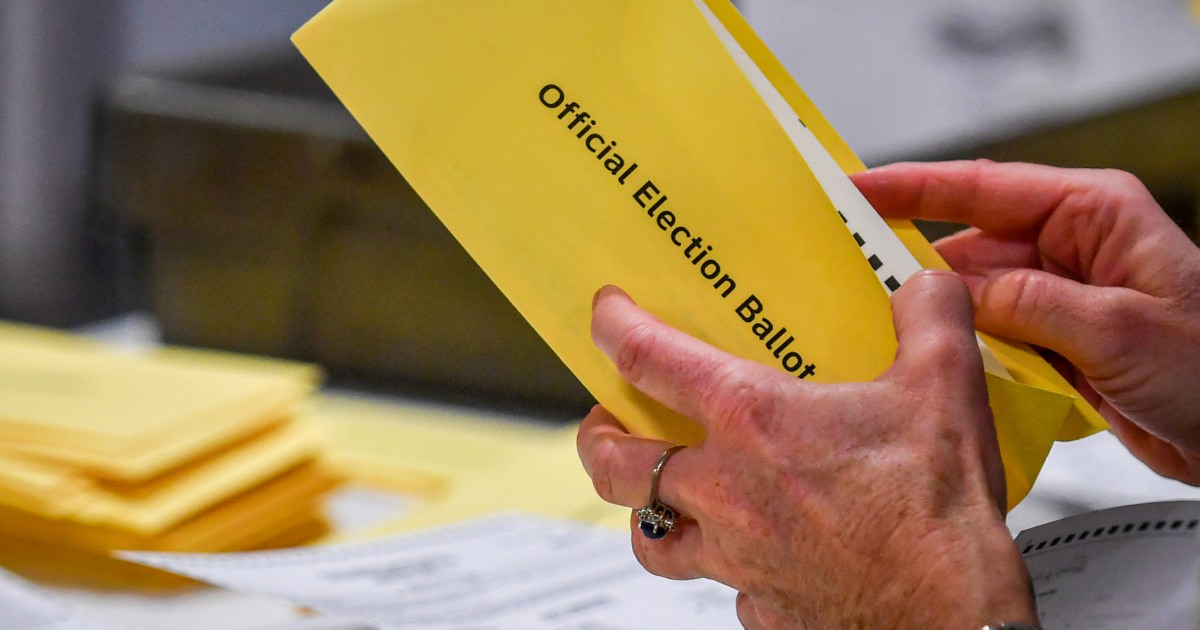
Mail-in voting disputes often reach the Supreme Court when lower courts change deadlines or ballot rules close to Election Day. The justices have repeatedly warned against late shifts, while campaigns still race to court when margins look tight.
Those fights are not abstract. Mail voting includes deadlines for requesting a ballot, returning it, signature checks, witness requirements, and how much slack states must allow when postal delivery or processing runs long.
Why Mail Voting Keeps Landing at the Supreme Court
The Court tends to get pulled in at the worst possible time, when early voting is underway, or ballots are already in the mail. That timing matters because a judicial order can change the rules for millions of voters overnight and trigger a new round of lawsuits across multiple states.
In the 2020 cycle, emergency appeals over mail voting and related procedures repeatedly reached the justices, often on compressed timelines. According to an unsigned order in Republican National Committee v. Democratic National Committee, the Court said, “This Court has repeatedly emphasized that lower federal courts should ordinarily not alter the election rules on the eve of an election.”
The Purcell Principle, and the Messaging War
That warning is tied to what election-law experts call the Purcell principle, a reference to a 2006 case that courts cite when they are asked to change voting rules close to an election. In practice, it can favor keeping a state’s existing rules in place, even when a lower court has found legal problems.
The political contradiction is that campaigns often argue, in public, that judges should not be meddling in elections. Then, in court, they ask judges to act fast because the other side’s preferred rule is the real threat, and the clock is the weapon.
State officials, including secretaries of state and attorneys general, also get squeezed. If they follow one court order, they risk being accused of disenfranchisement. If they resist, they risk contempt, chaos, or a post-election recount fight that starts with, “Which ballots count?”
What Happens Next When Deadlines Collide
Even after the Court decided Moore v. Harper, rejecting the most aggressive version of the independent state legislature theory, the justices still face constant pressure to referee state election mechanics under emergency deadlines. The next close national election is likely to produce the same sprint: lawsuits, injunctions, appeals, and a Supreme Court decision that reshapes the map without ever appearing on a ballot.