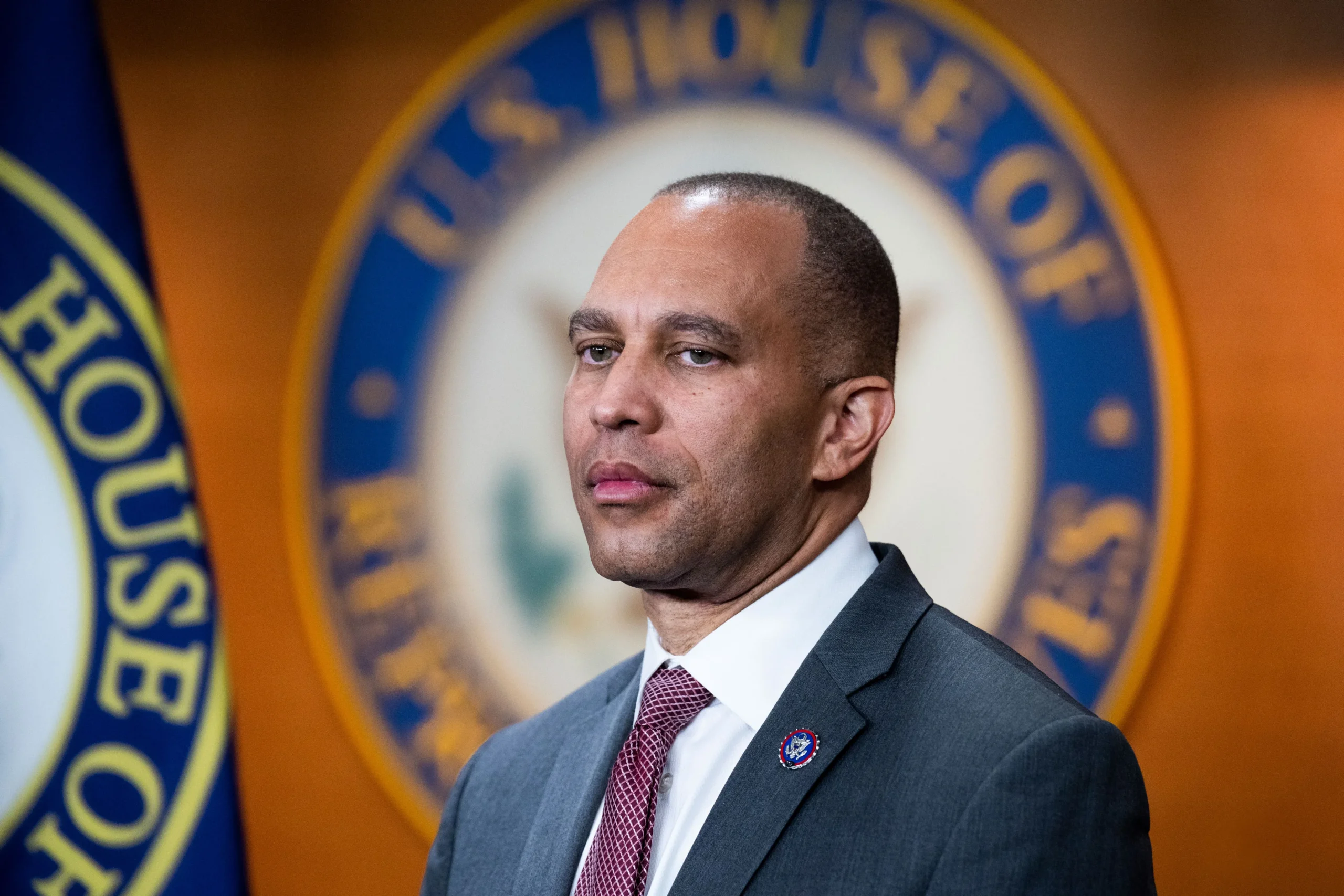
Hakeem Jeffries can talk about becoming Speaker all he wants. The awkward part is that the job interview is not on the House floor. It is in dozens of Democratic primaries where the next majority, and the next set of loyalties, get picked.
What You Should Know
Hakeem Jeffries is the House Democratic Leader, which puts him first in line for Speaker if Democrats win a majority. Primaries shape who joins that majority, and party leaders can influence those races through endorsements, fundraising, and committee support.
Jeffries, a Brooklyn Democrat, has been his party’s top House leader since 2023, after Democrats chose him to succeed Nancy Pelosi. The public pitch is simple: win seats, unify the caucus, and be ready to govern if control flips.
The Speaker Math Starts Long Before January
The Constitution is blunt about where power lands: “The House of Representatives shall choose their Speaker and other Officers.” That choice depends on a majority, and majorities are built the same way every cycle, district by district.
That is why leadership obsesses over primaries. A general election can only be won by the nominee who survives the intraparty fight, and the nominee who survives often remembers who helped, who stayed neutral, and who quietly tried to clear the field.
Primaries Are Where the Pressure Gets Applied
Leaders have tools that rarely show up in campaign ads: fundraising networks, national surrogates, and institutional support that can turn a close contest into a rout. None of it is illegal, and most of it is framed as protecting the party from self-inflicted losses.
However, it also creates a predictable friction. The grassroots energy that pushes challengers into races does not always align with leadership’s preference for incumbents, reliable committee votes, and candidates who avoid messy headlines in swing districts.
The Quiet Contradiction: Big Tent Talk, Narrow Gatekeeping
Jeffries has sold himself as a coalition manager, someone who can keep moderates, progressives, and the Congressional Black Caucus moving in the same direction. The tension is that coalitions are easier to praise in speeches than to manage when a primary threatens to rewrite the internal balance of power.
If leadership leans too hard, it can trigger backlash, depress small-dollar enthusiasm, and hand opponents an easy line to take on machine politics. If leadership stays hands-off, it can end up with nominees who are harder to protect in competitive districts, and a caucus that is harder to whip when margins are thin.
That is the real Jeffries problem: the Speaker race is not just about beating Republicans. It is about choosing which Democrats get to show up to the next Congress, and which promises and pressures come with their ticket to Washington.