The Trump White House keeps hinting it has a money trail behind the Minnesota anti-ICE protests. The problem is that the more the claim gets repeated, the more the receipts look like vapor.
President Donald Trump has labeled protesters in Minnesota as paid operatives and even “insurrectionists”. Allies in high places have amplified the storyline. But a PolitiFact fact-check published by PBS NewsHour says the administration did not provide evidence, and the social media “proof” that tried to fill the gap either fell apart under scrutiny or was recycled from older internet rumors.
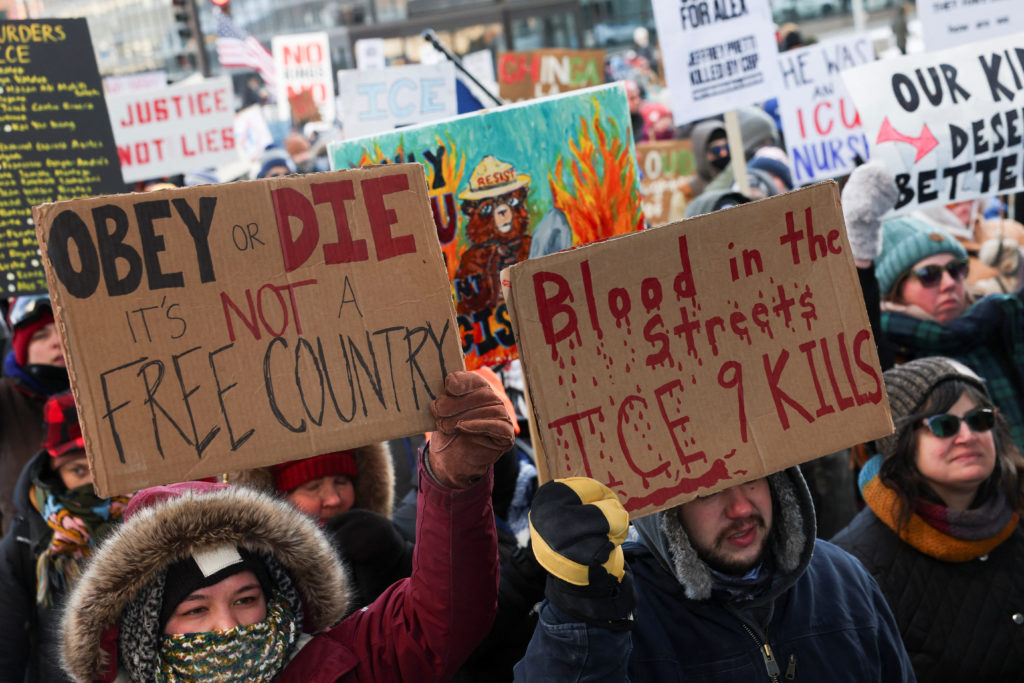
That leaves a clean political tension: Trump is framing dissent as a purchased product, while on-the-ground reporting points to a volunteer movement that has built its own supply chain of posters, groceries, whistles, and turnout in subzero weather.
A Claim That Keeps Getting Louder
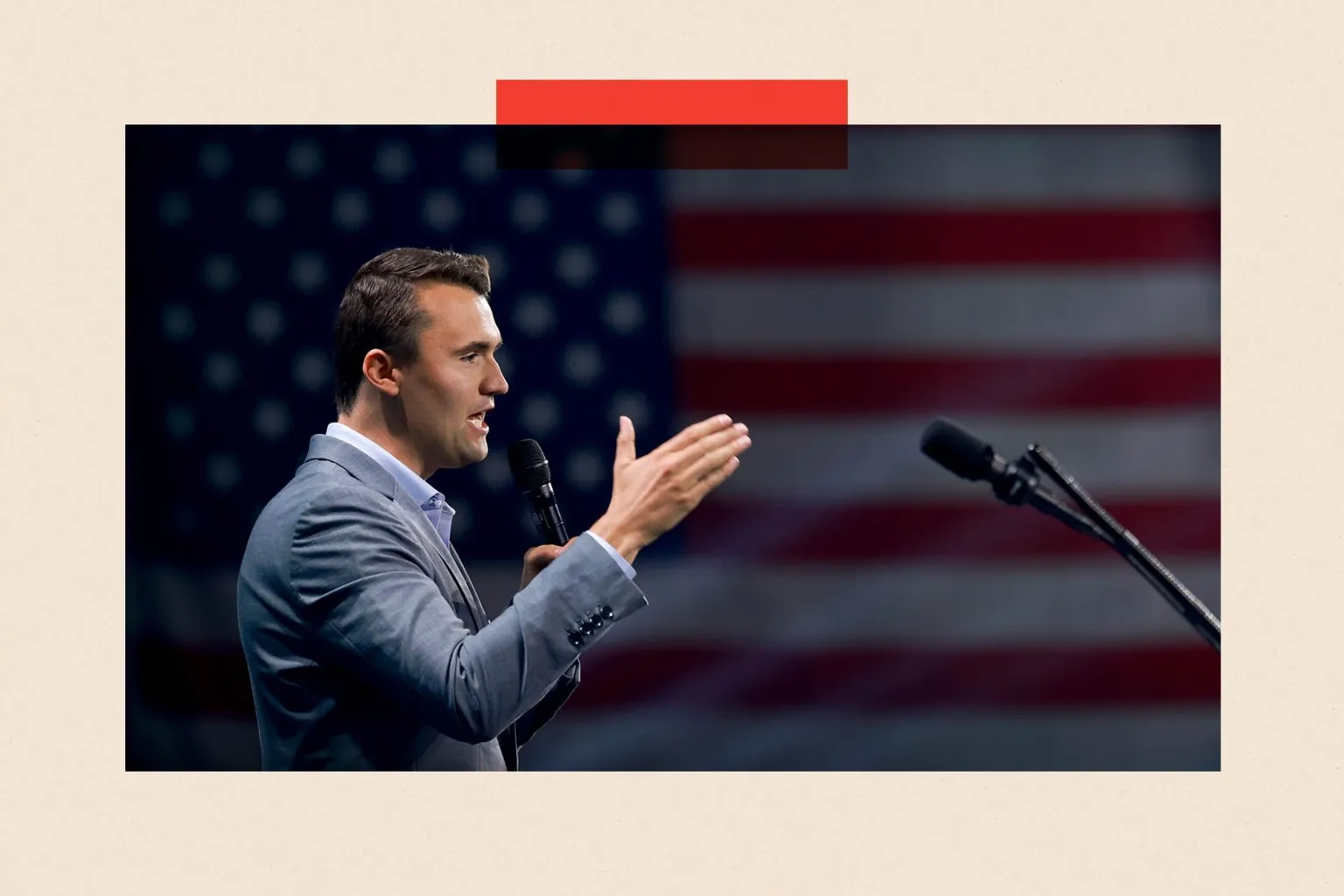
Trump’s language has not been subtle. In the fact-check, PolitiFact documented multiple instances where he described the protests as artificial and funded.
“The thugs that are protesting include many highly paid professional agitators and anarchists,” Trump wrote on January 18 on Truth Social.
Days later, he sharpened the accusation.
“They’re paid agitators and insurrectionists,” Trump said at a January 20 press conference.
Then, speaking in Davos, Switzerland, Trump described “fake protests” carried out by “agitators” and “professional insurrectionists,” adding that his administration was “looking very strong” at the money behind protests in Minnesota and elsewhere, according to the PolitiFact report.
The storyline has an obvious upside for the people running federal policy. If protesters can be cast as hired disruptors, the administration does not have to grapple with the possibility that locals are angry about immigration enforcement tactics in their own neighborhoods.
Follow the Money, Then Show It
PolitiFact said it asked the White House for evidence and received no response. That matters because the paid-protester claim is not a small rhetorical flourish. It is a public assertion that someone is covertly underwriting civil unrest, and it invites a specific question: who is paying, and for what?
In the same reporting, Homeland Security Secretary Kristi Noem pushed the idea into mainstream political conversation, telling CBS’ “Face the Nation” that Minneapolis was distinct from other cities and that officials elsewhere did not see funded protesters.
Vice President JD Vance, in a January 8 White House briefing, framed the issue in a way that turns rumor into insinuation, asking, “When somebody throws a brick at an ICE agent, or somebody tries to run over an ICE agent, who paid for the brick?”
Sen. Markwayne Mullin, an Oklahoma Republican, also called for an investigation into who might be paying protesters to obstruct federal officers, in a January 13 interview on CNN’s “The Source” about the fatal shooting of Renee Good by an ICE officer, according to the fact-check.
But in the documented record PolitiFact reviewed, none of the politicians advancing the claim publicly named the alleged funder, produced payment records, or tied the Minnesota protests to a financing operation.
What Minnesota Looks Like on the Ground
The counterpoint is not just “we have seen no proof.” It is a thick description of how a movement looks when it is locally built.
PolitiFact reported that Minnesotans have been responding to the presence of federal immigration agents for weeks, and that coverage of protests has not produced evidence that the protests are staged. Instead, it found a significant volunteer protest movement in the Twin Cities, with civic groups, labor unions, faith-based organizations, and immigrant advocates playing roles.
Yohuru Williams, a historian and director of the Racial Justice Initiative at Minnesota’s University of St. Thomas, told PolitiFact that most protesters are Minnesota residents concerned about ICE presence and what he called “the President’s usurpation of power.”
Organizing, in the nuts-and-bolts sense, can look suspicious to outsiders who want protests to appear spontaneous. In the reporting, volunteers set up Signal chats to alert neighbors to nearby enforcement actions. Community groups held trainings on how to record video of immigration agents, and what to do if an arrest leaves a child behind or a car abandoned.
Some of the details are almost aggressively unglamorous: grocery drop-offs, food drives, poster-making, and mundane mutual aid. That is not the aesthetic of a payroll operation. It is the aesthetic of a community trying to keep up with itself.
The ‘Hazard Pay’ Joke That Landed Like a Tell
Even the culture around the protests turned into a mini-trial about what people believe.
After thousands marched in downtown Minneapolis in subzero temperatures before rallying at the Target Center on January 23, Minnesota Vikings radio announcer Paul Allen joked on air about protesters getting “hazard pay,” according to PolitiFact. He later apologized, calling it “a cheap one-liner” that was “insensitive and poorly timed,” and said he would take a few days off.
The joke was a flashpoint because it echoed the same accusation that was circulating from the top. A throwaway line made it sound like the “paid” claim was already common sense. The backlash suggested that many Minnesotans did not find it plausible.
Where the Viral ‘Proof’ Breaks
When the White House does not provide evidence, the internet always tries to. PolitiFact’s conclusion was blunt: the posts it reviewed did not support the claim.
In one example, PolitiFact described a TikTok video that claimed to show a protester saying he was being paid $20 an hour. The problem was the watermark: “Sora,” the branding tied to OpenAI’s video-generating tool. PolitiFact reported the account had shared other artificial intelligence-generated videos.
In another example, PolitiFact said an X post circulated images that were framed as contract paperwork for paid protesters. The same pictures, it reported, had appeared years earlier, including in a 2018 blog post that claimed it was proof protesters were paid to plan the 2015 Baltimore riots, and in a 2020 post that used the images to push a false claim about paid marchers outside the Democratic National Convention.
That pattern is the real mechanics of modern misinformation. It is not always brand-new fabrication. Often, it is reissued content, stripped of context, and reattached to the current moment, with a new caption and a fresh target.
PolitiFact also cited a widely shared Fox News clip in which host Laura Ingraham asked a protester if she had a job, and the protester answered, “I’m getting paid right now.” PolitiFact said it could not confirm the protester’s identity or motives and found no further reporting on the incident. One ambiguous moment, pulled from a street interview, is a thin reed to support a national claim about a paid protest operation.
Why This Label Matters to the People in Charge
Calling protesters “paid” does more than insult them; it also undermines their legitimacy. It reframes the power dynamic between the state and the citizen.
If dissent is treated as a purchased stunt, then the protesters are not constituents. They are contractors. That makes it easier for officials to dismiss complaints about enforcement tactics, arrests, or violence as noise produced by an opponent’s checkbook.
It also pushes the conversation away from policy choices and toward security language. Trump used the term “insurrectionists,” a word with legal and political weight. The term can change how supporters interpret federal action, and it can raise the stakes for protesters who suddenly find themselves rhetorically lumped in with people accused of attacking the state.
PolitiFact quoted Jillian Hiscock, the owner of the women’s sports-themed bar A Bar of Their Own, who said protesters were not being paid and described a cross-section of locals making posters and grabbing whistles, including “families with small children” and “bundled up seniors with walking canes.”
“I truly think it’s a made-up sentiment to try to minimize the groundswell of the movement here on the ground,” Hiscock told PolitiFact.
That is the clash in one sentence. The administration needs the protests to look synthetic. Organizers want the demonstrations recognized as real, local, and politically dangerous to the people in charge, because they cannot be waved away as someone else’s project.
What to Watch Next
Trump said he is “looking” at the money. If the administration produces a specific allegation, names a funder, or points to an investigation, that would move the story from rhetoric into verifiable claims that can be tested in public records and court filings.
Until then, the fight is over framing. One side is selling a narrative of paid disruption. The other is showing up loudly and visibly in the cold, insisting the movement does not need a payroll to exist.
PolitiFact rated Trump’s claim false. The political question now is whether the accusation sticks anyway, because in 2026, repetition often trumps documentation and sometimes wins.