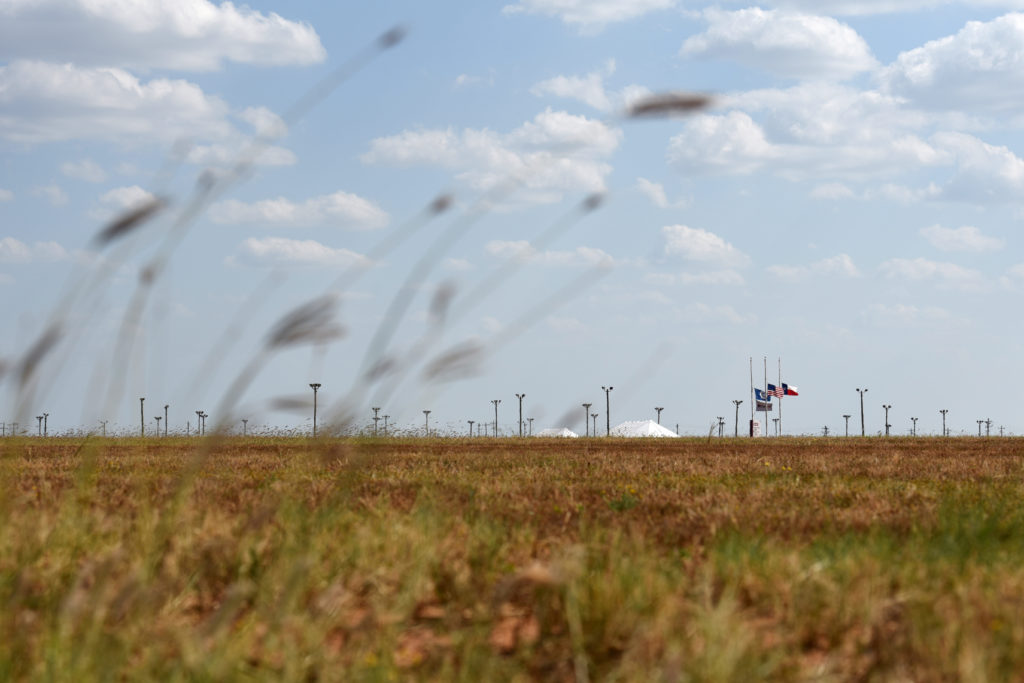
Some protests happen on the outside, where everyone can see them. Then there are protests that happen behind fences, where the public only gets a flicker of video, a lawmaker’s photo, and a few sentences that land like a warning.
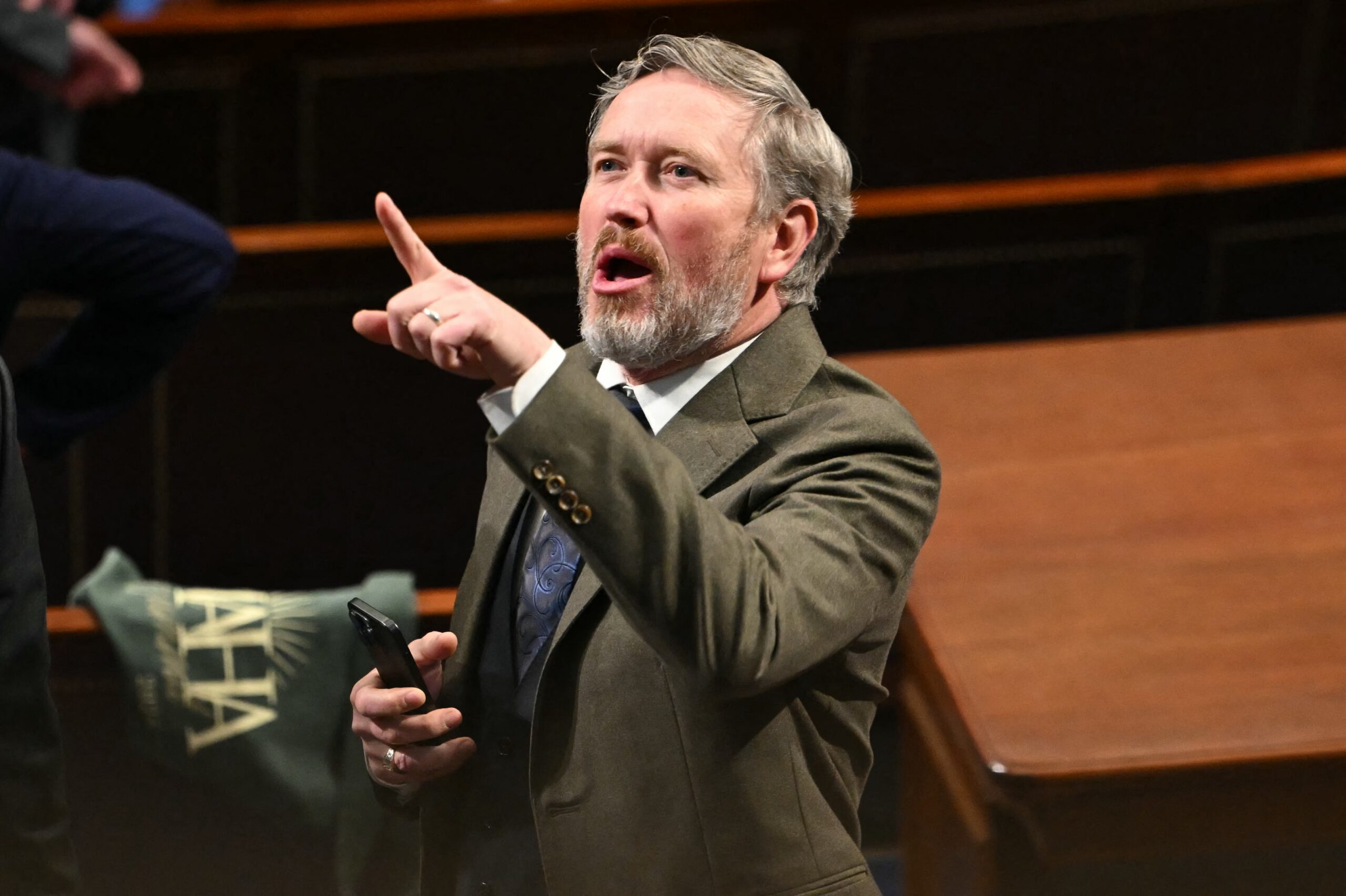
That is the tension now swirling around the ICE family detention center in Dilley, Texas, after hundreds of detainees reportedly protested their living conditions and treatment, just as Democratic members of Congress made a visit that pulled one child into the center of the story.
The child is 5-year-old Liam Ramos. His name is circulating because of a lawmaker post and because, inside the facility, his father described a change that is hard to spin away.
As PBS NewsHour reported on January 28, 2026, two Democratic members of Congress visited the ICE family detention center in Dilley, where Liam is being detained along with other children and families. Over the same weekend, hundreds inside the facility protested their conditions and treatment.
A Photo Op Meets a Paper Trail Problem
In Washington, immigration fights are often argued in abstractions: border numbers, court backlogs, budgets, and the fine print of parole authority. In Dilley, the argument gets boiled down to a single image posted by Rep. Joaquin Castro, a Texas Democrat, after meeting Liam and his father.
The politics of that picture are obvious. A child behind institutional walls is a faster message than any committee hearing. But the more revealing part is what the image forces the government to answer, and what it can only answer with process.
According to PBS NewsHour, Liam’s father described his son’s condition in plain, parental terms. “His father said that Liam has been very depressed since he’s been at Dilley, that he hasn’t been eating well. I was concerned with, you see, how he appears in that photo with his energy. He seemed lethargic.”
That quote is not an allegation about a single guard, a single meal, or a single incident. It is a broader claim about what detention does to a child in real time, and it creates a second question that always follows: If a child is visibly deteriorating, who, exactly, is responsible for fixing it?
Who Runs Dilley, and Who Gets the Blame?
ICE detention is a complicated machine, and Dilley is a reminder of why responsibility gets slippery. The South Texas Family Residential Center is commonly described as an ICE family detention facility, but it has also been operated through private contracting, which changes the power dynamics inside the walls.
When conditions become a public controversy, the chain of accountability can start to look like a hall of mirrors. ICE points to standards and oversight. Contractors point to ICE requirements and funding. Lawmakers point to the department. Meanwhile, families point to what they live through day to day.
ICE has long maintained that it provides medical care and other services in detention settings, and the agency publicly describes its family residential centers and the framework it uses to manage them. That is the official story. The competing story is what families, attorneys, and advocates describe when they get access: delays, confusion, and a constant feeling that basic life is being negotiated one request at a time.
Even without confirming every detail of what individual detainees experienced during the protest, the mere fact of a large-scale demonstration inside a family facility signals something else. Detainees do not have many levers. A protest is one of the few they can pull, even when it carries risk.
The Protest That ICE Did Not Stage-Manage
Protests inside detention facilities are, by design, hard to document. Phones may be restricted. Access is controlled. Outside witnesses are limited to lawyers, approved visitors, and occasional official tours.
That is why the PBS NewsHour report matters. It places a credible witness in the building during the weekend of the protest: an immigration attorney who was at the center meeting with clients. The segment also frames the protest as a broad action by “hundreds” of detainees, not a small disturbance that can be dismissed as isolated.
This is the part that makes governments nervous. Not the allegation alone, but the possibility of patterns.
A facility can rebut a single claim by pointing to a policy or a log entry. It is much harder to rebut a collective action that suggests shared grievances, especially when elected officials are physically present to amplify what they saw.
The Stakes: A Child, a Clock, and a Public That Hears ‘Family Detention’
Family detention is one of the most combustible phrases in modern U.S. immigration politics. Supporters argue the government needs a way to ensure families show up for hearings and do not disappear into the country. Critics argue that keeping children in detention, even in facilities branded as family centers, creates avoidable harm and invites abuse.
The Dilley situation forces a narrower, more practical question: What is the threshold for release or alternative placement when a child’s health or well-being appears to be declining?
That question is not just moral. It is operational and legal. Detention involves medical screening, mental health care, and custody decisions that can shift quickly based on new information. If attorneys or lawmakers claim a child is deteriorating, the government either responds quickly or it ends up defending delay.
And in politics, delay is a headline generator. It creates an information gap that critics fill, often faster than agencies can document their way out of it.
A Familiar Contradiction: Standards vs. Lived Reality
Every modern administration inherits the same problem: immigration detention is expensive, politically radioactive, and structurally prone to gaps between written standards and lived reality.
On paper, detention standards exist to protect health, safety, and access to services. In real life, families can experience detention as a place where everything is rationed, time moves strangely, and even a child’s mood becomes part of a case file.
That is why a statement like “he seemed lethargic” lands differently than partisan talking points. It is not a policy argument. It is an observable claim tied to a specific child, on a specific visit, with a photo as context.
The contradiction is not necessarily that ICE denies medical care. The contradiction is that the system presents itself as controlled and monitored, while people inside appear to be organizing in large numbers to protest basic treatment.
What To Watch Next
The next phase is usually a tug-of-war over documentation and access.
Lawmakers who visit facilities often push for briefings, records, and follow-up tours. Attorneys push for client access, medical attention, and case-by-case remedies. ICE, operating inside the Department of Homeland Security, tends to respond with standardized language about oversight, care, and compliance.
For the public, the key questions are simpler and harder at the same time.
- Was Liam Ramos evaluated, and did anything change after lawmakers publicized his condition?
- How did ICE characterize the reported protest, and were any disciplinary actions taken afterward?
- What metrics does the government use to decide when a family should be detained, released, or placed in an alternative program?
Family detention battles rarely end with one visit or one viral image. They drag on through filings, inspections, and shifting political winds. But this episode in Dilley has already created a pressure point the government cannot fully control: a child with a name, a face, and a father describing what detention is doing to him.