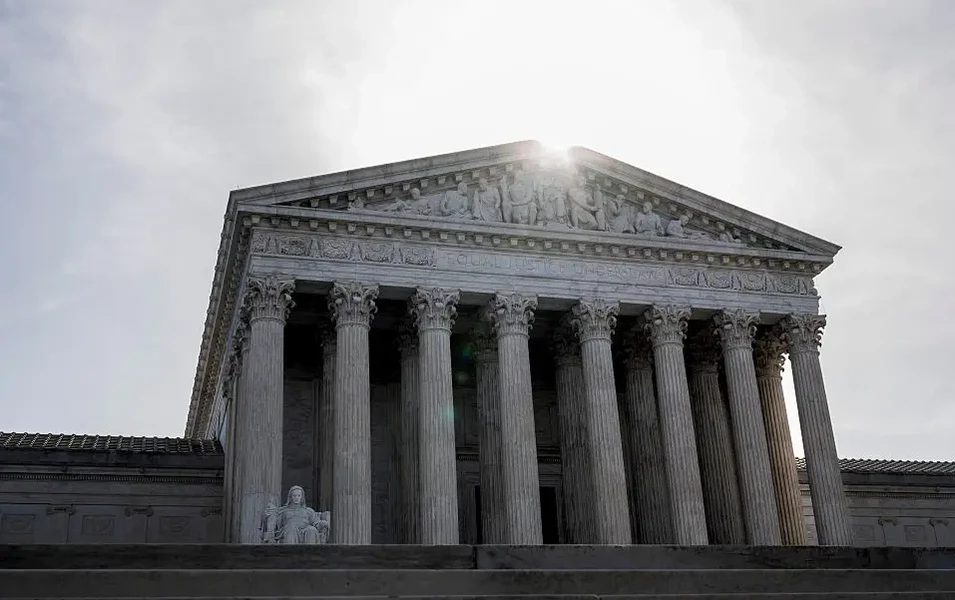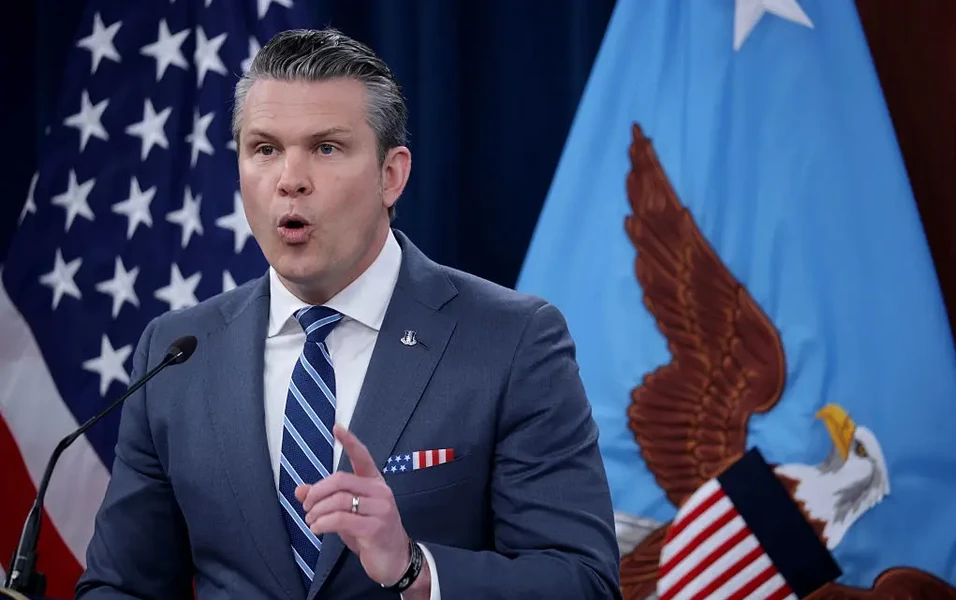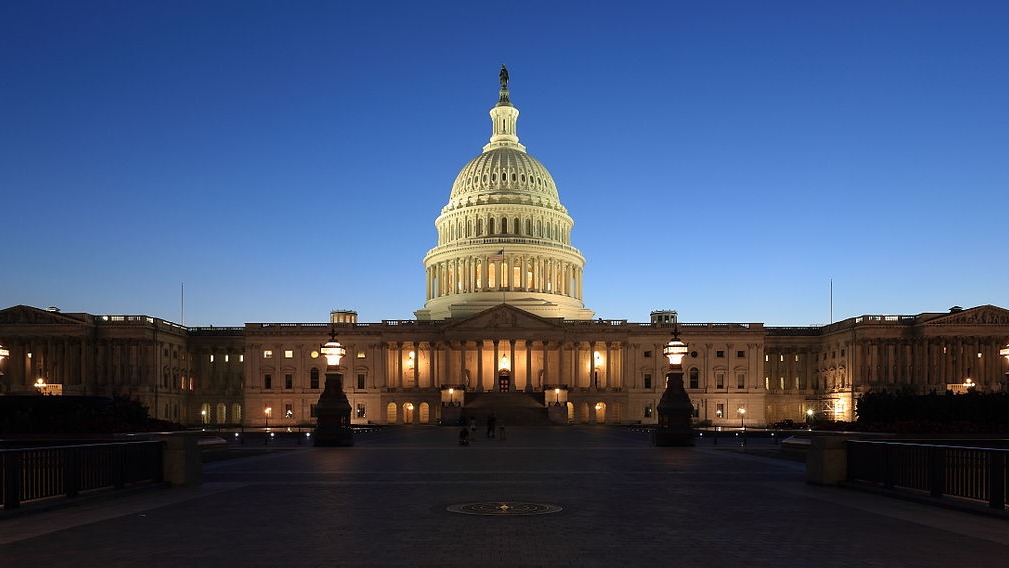
Washington has a familiar hobby: setting the government on fire, then arguing over who is holding the matches.
This time, the flashpoint sits inside the same building. The Department of Homeland Security funding deadline. The immigration crackdown. And a sudden, on-camera shift in tone from Republicans who usually keep their critiques pointed outward.
In a PBS NewsHour segment, congressional correspondent Lisa Desjardins described hearing something different in the Senate, a more open acknowledgment that federal enforcement can go too far. Not in a carefully lawyered statement. Not in a closed-door briefing leak. Out loud.
That is the tension. DHS is the agency that runs border enforcement, immigration detention, and a long list of security missions that lawmakers hate to interrupt. Yet DHS is also the symbol politicians use when they want to look tough, look outraged, or look in charge. When the same lawmakers who want to squeeze DHS for leverage start publicly questioning the way enforcement is being carried out, the next move gets complicated.
A Deadline That Turns Policy Into Leverage
Funding deadlines are not just calendar events. They are power moments. Whoever can credibly threaten a shutdown, or credibly prevent one, gets to define what is urgent and what is optional.
Congressional deadlines around homeland security funding have a history of turning immigration into a bargaining chip. DHS is politically radioactive because it is both practical and symbolic. Practical, because it houses everything from the Transportation Security Administration to disaster response coordination. Symbolic, because it is where national security talking points go to live.
Congressional Research Service reports have long spelled out what shutdowns actually do. Even when many workers are considered essential, agencies still face disruptions, delayed contracts, suspended training, reduced oversight, and ripple effects that do not show up neatly in a press release. The pressure is real, but so is the political temptation.
So, when lawmakers return to Washington staring at a DHS funding clock, the standard script is predictable: border demands, policy riders, and a lot of television.
The twist is the criticism now coming from the same side that often sells enforcement as a pure political win.
The Unusual Sound of In-Party Blowback
In the PBS NewsHour exchange, Desjardins said senators were reacting to a lethal incident and building outrage, and she described hearing a notable shift from Republicans.
“And, today, I have to tell you we heard from Republicans a new kind of very open sense that federal enforcement officers went too far in a dangerous way.”
That sentence matters because it collides with the usual incentives.
For years, immigration politics has rewarded absolutism. If enforcement goes hard, some lawmakers praise it as necessary. If it goes wrong, they often argue the real problem is that it was not hard enough or that leadership failed to back the officers. Publicly saying officers went too far is a different lane. It opens the door to oversight demands, body camera questions, use-of-force protocols, and who signed off on what.
It also creates a credibility problem for anyone trying to run the classic shutdown playbook. If you are arguing DHS is failing and needs tougher tools, while also arguing enforcement has become dangerously overzealous, then the public asks the obvious question: What exactly are you trying to fund, or restrain?
That contradiction does not kill shutdown threats. It just changes what can be sold as the justification.
DHS Is Not One Thing, and Politicians Pretend It Is
DHS is built to be easy to talk about and hard to govern. It is a massive collection of agencies with different missions, different cultures, and different accountability chains. Immigration enforcement politics tends to flatten all of that into one word, “the border,” and then treat every budget line like a referendum.
But Congress does not fund slogans. It funds accounts, personnel, and programs. Even when lawmakers fight over immigration, they are also fighting over disaster response capacity, airport screening, cybersecurity, and grant programs to states and cities.
The legislative reality is visible in the way DHS appropriations are packaged. On Congress.gov, DHS funding often appears as a dedicated appropriations bill, with detailed structures that do not fit neatly into cable-news arguments. That is part of why shutdown brinkmanship works. It compresses complexity into a binary choice: fund the government, or do not.
When a lethal enforcement episode moves lawmakers to publicly question tactics, the politics stops being purely binary. The next fight becomes: fund it, but with what restrictions, reporting requirements, or consequences?
Oversight or Optics, and Who Gets Blamed
When lawmakers signal that enforcement “went too far,” two paths open.
The first is oversight. Hearings that dig into policy guidance. Requests for internal reviews. Demands for data on use-of-force incidents, training, and discipline. That route makes some politicians uncomfortable because it forces specificity. Specificity creates receipts, and receipts create accountability.
The second path is optics. Outrage without follow-through, designed to show distance from an incident while keeping the broader crackdown message intact. That route is easier, faster, and often safer for politicians who do not want to anger their own base or donors.
The shutdown threat pulls both paths toward theater. A deadline compresses time. It encourages all-or-nothing bargaining instead of careful oversight. It also hands leadership a handy excuse: there is no time for hearings, we have to keep the lights on.
But the public critique Desjardins described, especially coming from Republicans, raises the political cost of pretending nothing happened. If lawmakers say on the record that something was “dangerous,” then doing nothing looks like complicity, or cowardice, or both. That is true regardless of party.
The Immigration Crackdown Problem: Success Can Still Be a Liability
Here is the part that makes politicians sweat. Enforcement crackdowns can produce visible action, which politicians love. They can also produce visible mistakes, which politicians cannot control.
Once a crackdown is underway, the next headline is not written by the press office. It is written by whatever happens in the field. One confrontation, one death, one widely shared video, one whistleblower account, and suddenly the same policy meant to project control becomes a liability.
That is why the Desjardins quote lands with force. It suggests some Republicans are treating an enforcement incident not as an inconvenient detail, but as evidence that something operational has tipped into risk. Risk to the public, risk to officers, and risk to the party selling the crackdown as competence.
In a shutdown fight, that kind of risk is gasoline. Each side can use it differently. Some will use it to argue DHS needs more resources, more officers, and fewer constraints. Others will use it to argue DHS needs tighter rules, clearer accountability, and consequences that go beyond a press conference.
What To Watch Next
Three questions now hover over the funding deadline.
First: Will the public GOP critique turn into a concrete demand, like an inspector general review, a briefing requirement, or a policy change? Or will it evaporate the moment the next talking point arrives?
Second: Will shutdown brinkmanship swallow the oversight moment? Deadlines are famous for wiping out everything except the immediate crisis.
Third: Who defines “too far”? In immigration politics, that phrase is often a Rorschach test. One person hears it and thinks, rein in the officers. Another hears it and thinks, change leadership so officers can be tougher with fewer restraints. The same words can fuel opposite agendas.
Congress is back in town. DHS is on the clock. And the rare sound of in-party blowback is now on the record. In Washington, that is either the beginning of accountability or just another prop in the next deadline drama.