

First, DHS said less. Then a Border Patrol official said more. Now DHS says something different, and the timeline is what everyone is staring at.
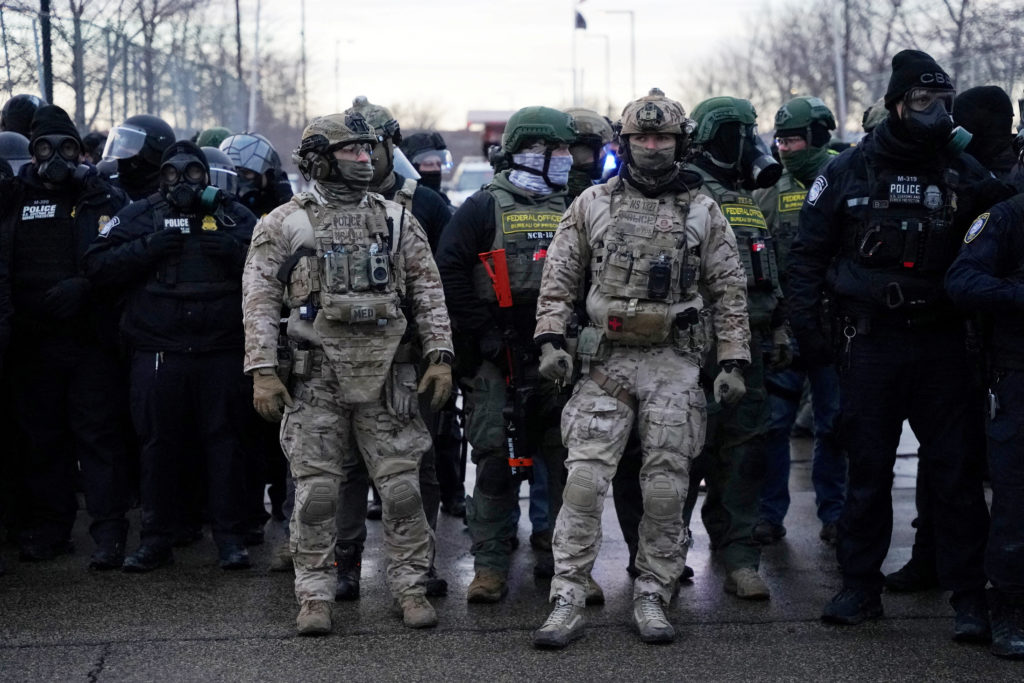
According to PBS NewsHour, Homeland Security officials say the two federal agents who fired shots in the death of U.S. citizen Alex Pretti have been on administrative leave since the shooting on Saturday. That comes after a previous comment attributed to Border Patrol official Gregory Bovino that the agents had been transferred, but were still working.
In Washington, where agencies live and die by how cleanly they control a narrative, that is not a minor wording dispute. It is a credibility problem with consequences, especially when the agents have not been publicly identified, and a top Trump aide is already floating the possibility that protocol was not followed.
A Simple Question, 2 Different Answers
PBS framed the core issue plainly: were the agents sidelined after a U.S. citizen was killed, or were they still on the job under a different assignment?
“Homeland Security officials now say that the two federal agents who fired shots in the death of U.S. citizen Alex Pretti have been on administrative leave since it happened on Saturday. That contradicts a prior comment from Border Patrol official Gregory Bovino, who had said the agents had been transferred, but were still working.”
Those two versions can both be true only under a narrow set of circumstances, and DHS did not publicly supply that kind of granular explanation in PBS’s account. In a case like this, that gap matters because administrative leave is not just a human resources status. It signals what the department wants the public to believe about oversight, accountability, and urgency.
Being “transferred” can read like operational continuity. Being on “administrative leave” reads like containment. When the public hears both, it raises the obvious question: which description reflects what actually happened inside the agency when the shooting occurred?
The Names Are Missing, So the Messaging Carries More Weight
PBS reports the agents have not been publicly identified. That is a familiar flash point in law enforcement shooting cases, because anonymity can be interpreted in two competing ways: either as standard practice while investigations proceed, or as institutional protection.
Without names, the public cannot easily track prior complaints, previous use-of-force incidents, or even basic employment histories. That vacuum makes official statements do more work than usual. It also means the department’s internal consistency becomes part of the story, not just the shooting itself.
When one official’s account is overtaken by a different account from the department, it gives critics an opening to argue that the department is managing optics rather than providing clarity. Meanwhile, supporters of the agency can argue that early details in fast-moving incidents are often incomplete, and that later statements should be treated as the more accurate picture.
Stephen Miller Adds Pressure Without Offering Details
The story gained another layer when PBS reported that Trump aide Stephen Miller suggested the agents may not have been following protocol before the shooting.
Miller’s role is not operational command, but his comments can function like a political weather report. If a key figure in Trump’s orbit is publicly raising protocol questions, it changes the incentives for everyone else. DHS leadership has to think about not only investigators and internal review, but also the politics of appearing either too defensive or too quick to concede wrongdoing.
At the same time, the PBS item does not provide a detailed account of what protocol might have been at issue, what actions were taken before shots were fired, or what specific rule may have been violated. That matters because “protocol” can mean anything from identification procedures to engagement rules to whether an operation was authorized as described.
Without those details, Miller’s suggestion lands as pressure, not proof. But pressure is often enough to force agencies to lock down their internal timeline and stop freelancing on public descriptions of personnel decisions.
Why Administrative Leave Is Not Just Bureaucratic
Administrative leave can be routine after a critical incident, but it is also a public signal. It tells the public and potential investigators that the department is taking the incident seriously enough to remove involved personnel from normal duties while facts are reviewed.
In politically charged cases, that signal can cut both ways. If leave is immediate, critics can say it is a temporary face-saving move that does not guarantee accountability. If leave is delayed, critics can argue that the agency initially treated the shooting as business as usual.
This is why the contradiction PBS highlighted is so combustible. Whether the agents were “transferred” and “still working” versus “on administrative leave” is not just semantics. It touches the basic question of what posture DHS took in the hours after a U.S. citizen was killed by federal agents.
The Stakes for DHS: Credibility, Oversight, and a Paper Trail
Even with limited public facts in the PBS report, the strategic stakes are easy to see.
Credibility: When different parts of a department tell different stories, lawmakers, watchdogs, and the public start looking for which office is actually in control of information.
Oversight: If Congress or inspectors general become involved, the first request is often the timeline. Who knew what, and when? Who approved what, and when? Shifting public descriptions invite deeper scrutiny of internal communications.
Litigation risk: If the incident leads to civil litigation, every public statement can become part of a broader argument about whether the government was transparent, consistent, and responsive.
None of that proves misconduct. But it explains why DHS might want to tighten its message quickly, and why early comments by individual officials can become liabilities if they are not perfectly aligned with the department’s later posture.
What To Watch Next
PBS reports the agents have not been publicly identified, and the department has not publicly resolved the discrepancy between the “transferred” description and the “administrative leave” description.
If DHS is trying to close this gap, the next tells will be procedural and document-driven: clearer statements about when leave began, who made that decision, what investigative body is involved, and whether any findings will be released.
Until then, the public story is defined by a contradiction in the government’s own account. In Washington, contradictions rarely stay small, especially when they involve federal use of force, anonymous personnel, and a political apparatus that thrives on declaring someone out of protocol before the paperwork is public.