

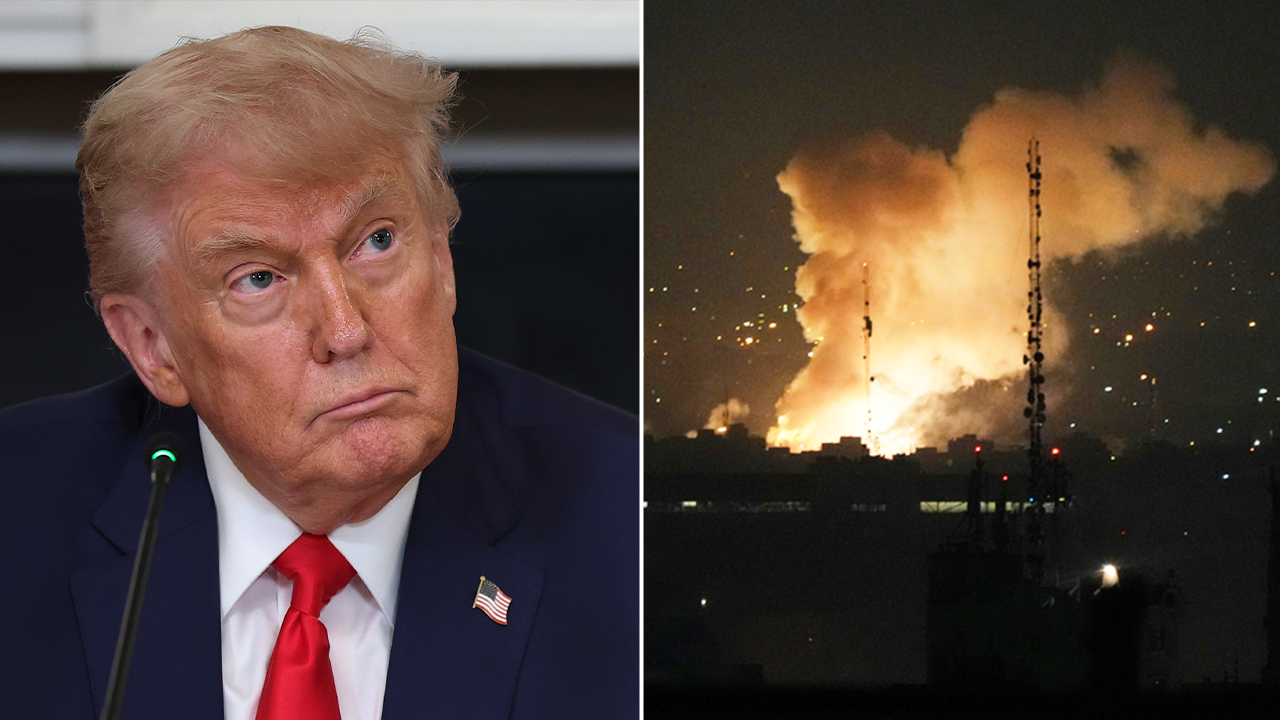
Washington and Tehran have spent years insisting they can manage tensions without sliding into a wider war. Now, a new detail is testing that claim: a reported direct line between two men who rarely appear in the same sentence, let alone the same negotiation.
What You Should Know
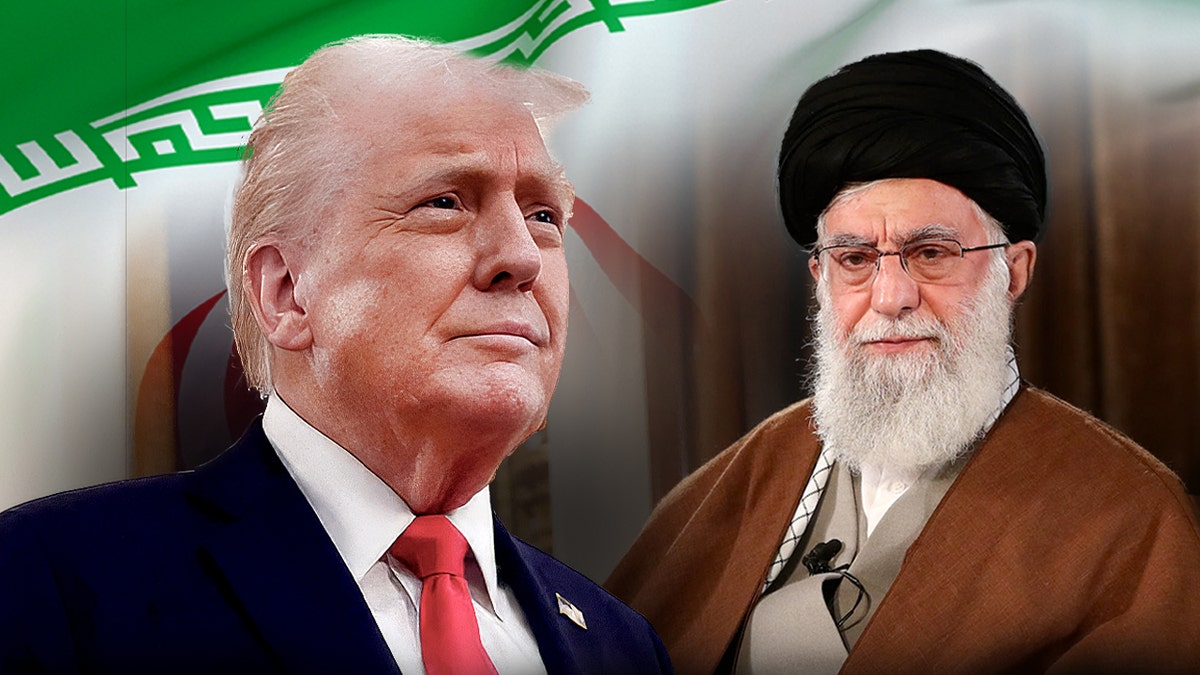
Axios reported on March 16th, 2026, that U.S. envoy Steve Witkoff and Iranian official Abbas Araghchi have communicated directly amid fears of escalation. The contacts suggest an active backchannel even as both governments keep public messaging tight.
The stakes are simple and ugly. If the backchannel works, it can freeze a crisis before missiles and militias start freelancing. If it fails, it can turn into a blame game about who ignored which warning, and when.
The Backchannel Players
According to Axios, Witkoff and Araghchi have been part of a communications effort aimed at reducing the risk of a U.S.-Iran clash. The report casts the channel as a pressure-release valve, not a photo-op, which is precisely why it matters.
That is also why it is politically combustible. Any quiet contact invites charges of weakness from hardliners, while any public denial raises the question of what else is being managed offstage.
Why the Hotline Matters Now
Backchannels are not new in U.S.-Iran history, but they tend to appear when both sides see the same problem: escalation can become accidental. A drone shootdown, a militia strike, or a maritime incident can force leaders into choices they did not plan to make.
There is an additional contradiction baked in. Publicly, the U.S. can talk about deterrence and sanctions, while Iran talks about resistance and sovereignty. Privately, a direct line can look like acknowledgment that neither side fully controls the actors who can trigger the next round.
Even the nuclear file, the perennial gravity well in this relationship, is full of language that plays differently depending on the audience. In the 2015 Joint Comprehensive Plan of Action, Iran made a sweeping assertion that it has repeated in various forms for years:
Iran reaffirms that under no circumstances will Iran ever seek, develop, or acquire any nuclear weapons.
That sentence is either reassurance or a legalistic shield, depending on who is reading it. The existence of a reported Witkoff-Araghchi channel underscores the practical question behind the rhetoric: what does each side do when it believes the other side is edging toward a line it will not tolerate?
What To Watch Next
Watch for whether officials publicly narrow their options or quietly widen them. If the channel expands to include intermediaries, formal talks, or written understandings, that is leverage. If it shuts down, the next signal may come from the battlefield, not the diplomats.