A headline can do a lot of work in six words, especially when it hints at power changing hands. But the phrase “Markwayne Mullin confirmed DHS” leaves a basic question hanging: confirmed for what, exactly?
What You Should Know
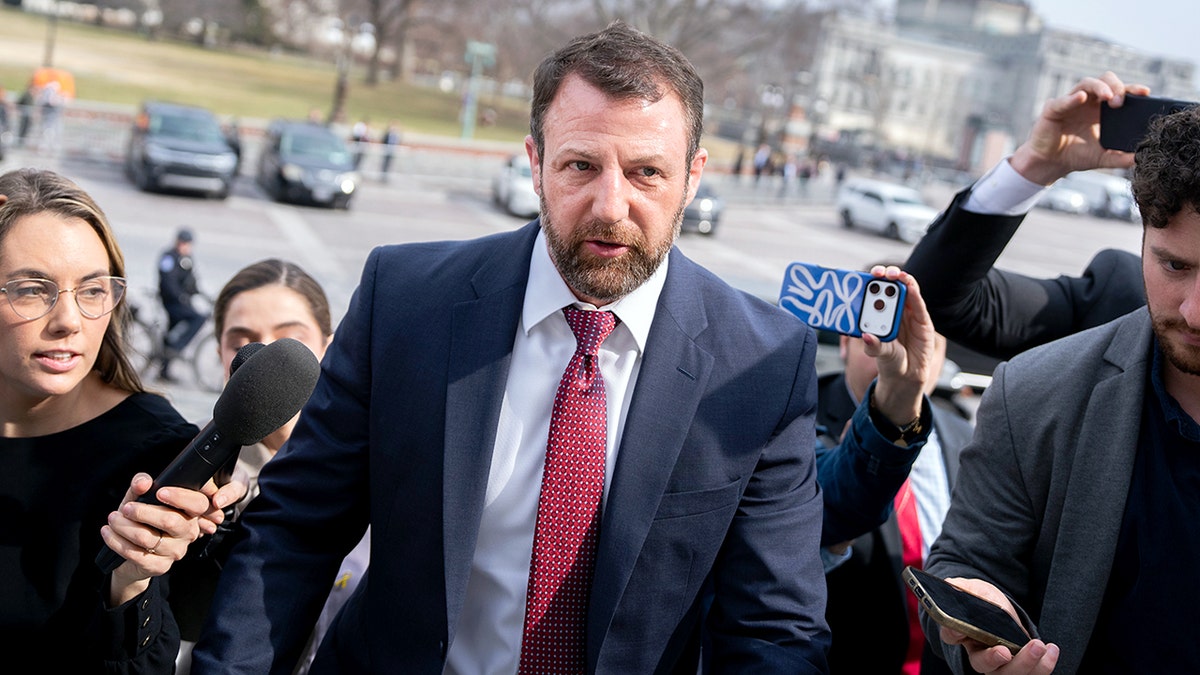
Sen. Markwayne Mullin is a sitting U.S. senator, not a Department of Homeland Security nominee. The Constitution gives the Senate a confirmation role for executive appointments, and political actors routinely turn that process into messaging about DHS, borders, and security.
Mullin, an Oklahoma Republican and former U.S. House member, is a familiar character in Washington’s performance-heavy oversight wars. DHS, meanwhile, sits at the center of Americas loudest fights over immigration enforcement, border management, and domestic security priorities.
The Headline Problem, and Why It Spreads
When a headline reads like a personnel move, readers assume a vote happened, a job changed, and a new official is about to steer an enormous federal machine. That is the entire point of a confirmation story: the Senate says yes, the executive branch gets a new hand on the wheel.
But Mullin’s job is in the Senate, not DHS. When language blurs that line, it creates a fog that benefits whoever wants the public focused on vibes instead of the fine print of who has authority, who is responsible, and who can be held to account.
What the Paper Trail Says About Confirmation Power
The Constitution is not subtle about where the leverage lives. It says the president appoints top officials “and by and with the Advice and Consent of the Senate,” turning nominations into a shared-power choke point rather than a press-release formality.
That structure matters because DHS is not a symbolic agency. It oversees major components and missions that touch immigration systems, transportation security, and emergency response, which means nominations can become proxy battles over policy without anyone passing a single new law.
Why DHS Votes Turn Into Messaging Wars
In practice, senators can use nominations to extract commitments, delay leadership changes, or force uncomfortable public hearings. Even when a nominee is not in the headlines, the vote math can be treated like a scoreboard for whose narrative is winning on border security, enforcement priorities, and administrative competence.
Mullin has built a national profile as a combative questioner, and that style fits the nomination arena, where cameras are rolling, and every clipped exchange can be replayed as proof of toughness or dysfunction. The result is a constant incentive to frame normal Senate procedure as high drama, even when the underlying reality is more bureaucratic.
The clean way to read any “confirmed” story is to separate the players. Senators confirm, they are not confirmed into Cabinet agencies, and the difference is the whole power dynamic. Confuse that, and it’s easier for partisans, operatives, or sloppy packaging to launder a political message as a personal fact.