

DHS bought the buildings quietly, started planning the conversions fast, and then hit a leadership cliff. Now, the question hanging over ICE’s warehouse-to-jail buildout is not just whether it can work. It is who owns the risk if it does not.
What You Should Know
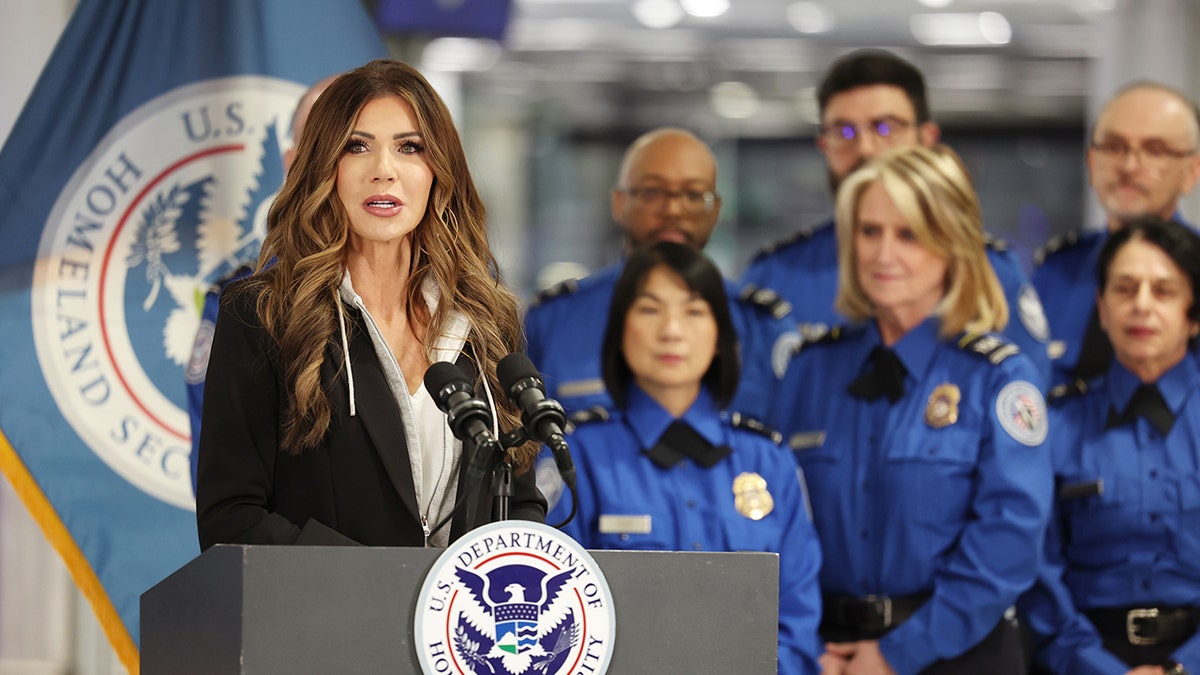
According to The Atlantic, the Department of Homeland Security has purchased 11 warehouses to convert into large ICE detention centers as part of a broader detention overhaul. The reported plan faces local pushback and new uncertainty as Kristi Noem exits DHS and Sen. Markwayne Mullin is set for confirmation.
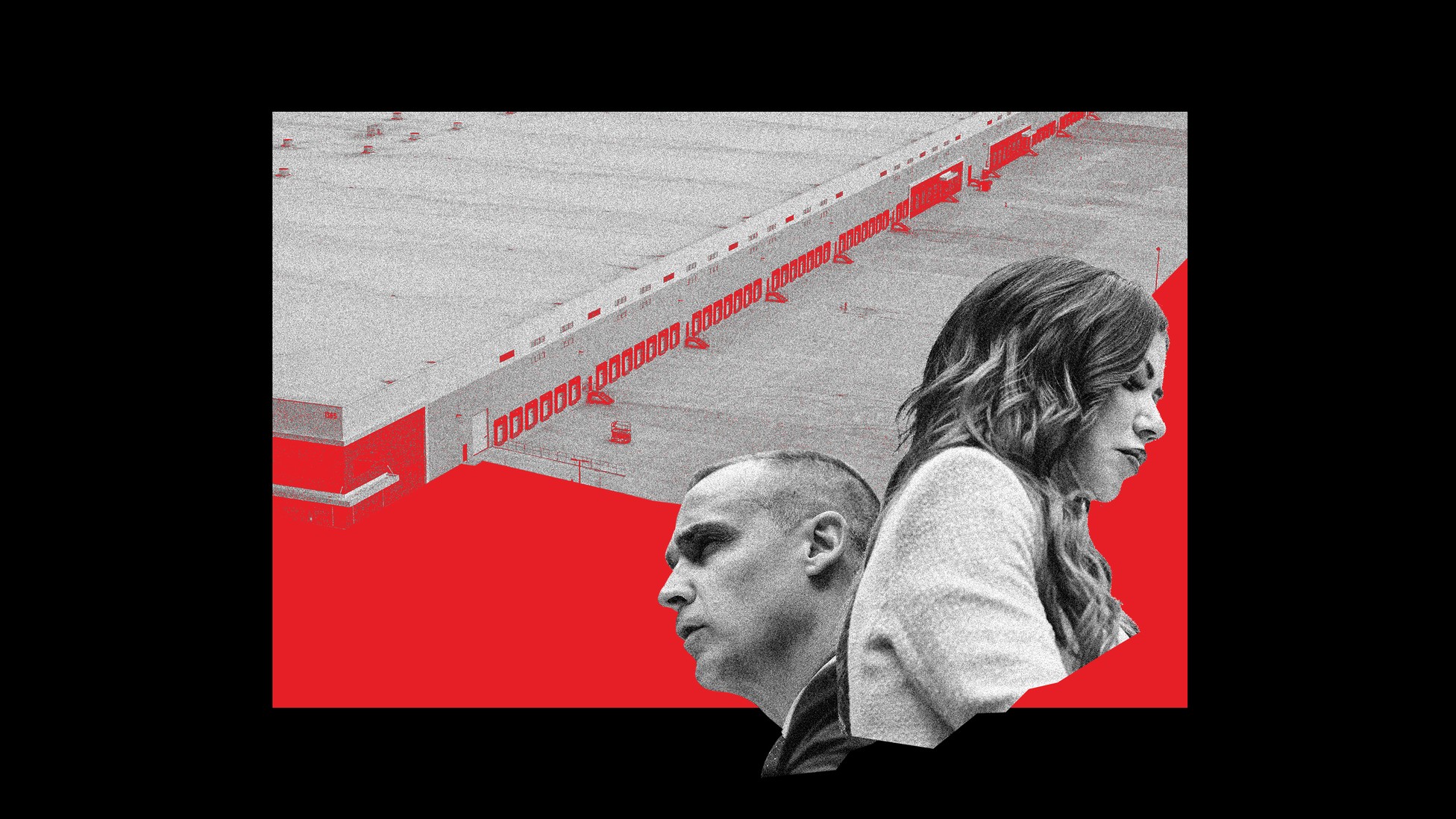
The Atlantic’s Nick Miroff reported that the warehouse acquisitions were part of a larger detention expansion push inside the Trump administration, one that accelerated as the White House demanded more space. The reporting also places Corey Lewandowski, serving as a top adviser to Noem, at the center of the effort, with both denying an affair.
The Warehouses, the Timeline, and the Money
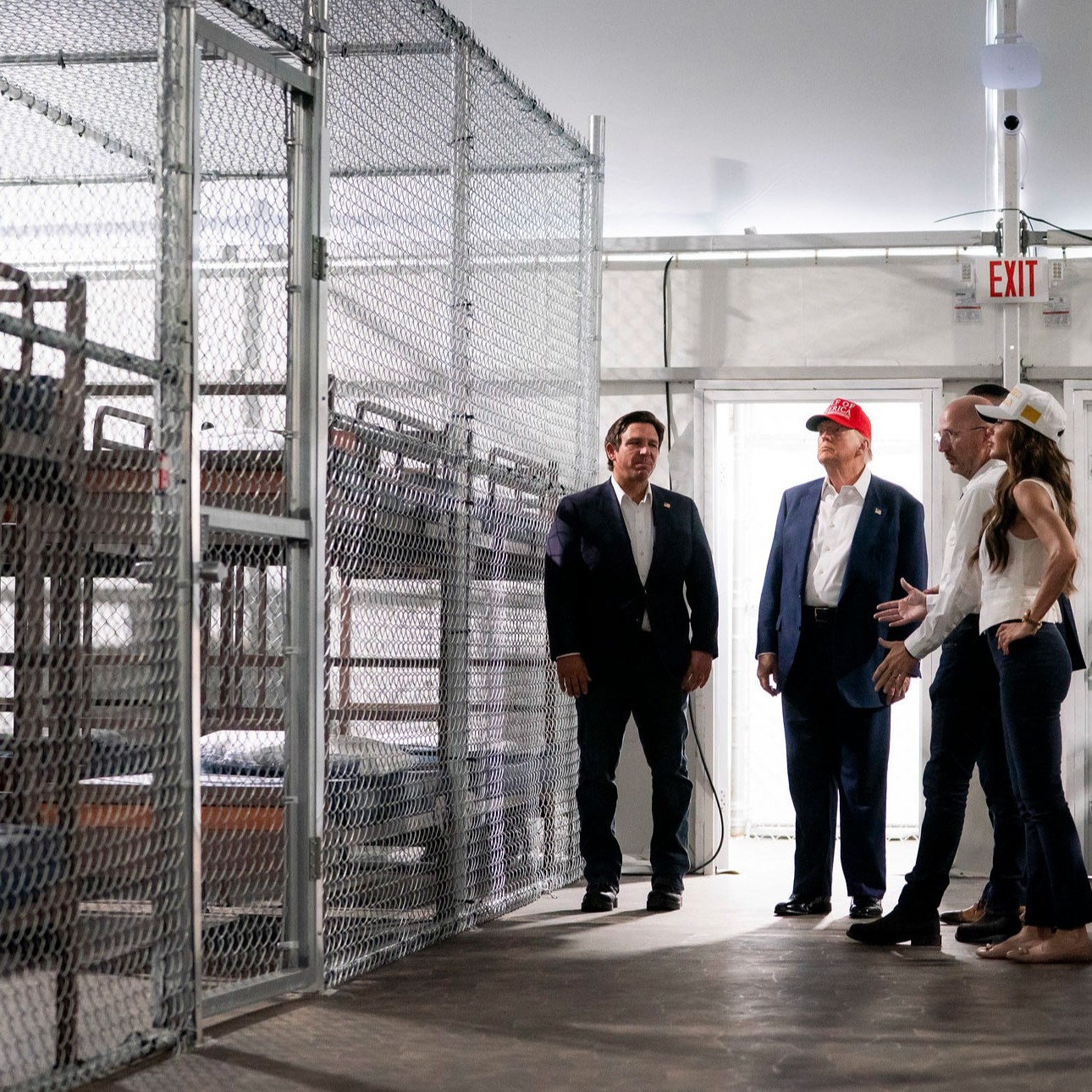
In The Atlantic’s account, DHS purchased 11 large warehouses around the country with plans to retrofit them into high-capacity detention sites, some designed to hold up to 10,000 detainees. The initiative was described as an effort to consolidate detainees into fewer locations and reduce reliance on private detention contractors.
Two senior DHS officials, speaking to The Atlantic on background, described a rushed timetable that may now slow down. One official told the magazine, “They’ve had a ridiculous timeline to rush everything through.”
The Pushback Is Not Just Democrats
A key tension in the reporting is political geography. The Atlantic says DHS leaders expected Republican-controlled areas to welcome new facilities, but encountered local resistance, including resolutions aimed at blocking or discouraging ICE conversions in some communities.
That matters because the plan, as described, is not a small procurement story. It is a power shift. Owning large detention infrastructure could insulate ICE from contractors and from annual funding fights, but it also plants a very visible federal footprint in places that may not want to be known as detention hubs.
What Mullin Inherits
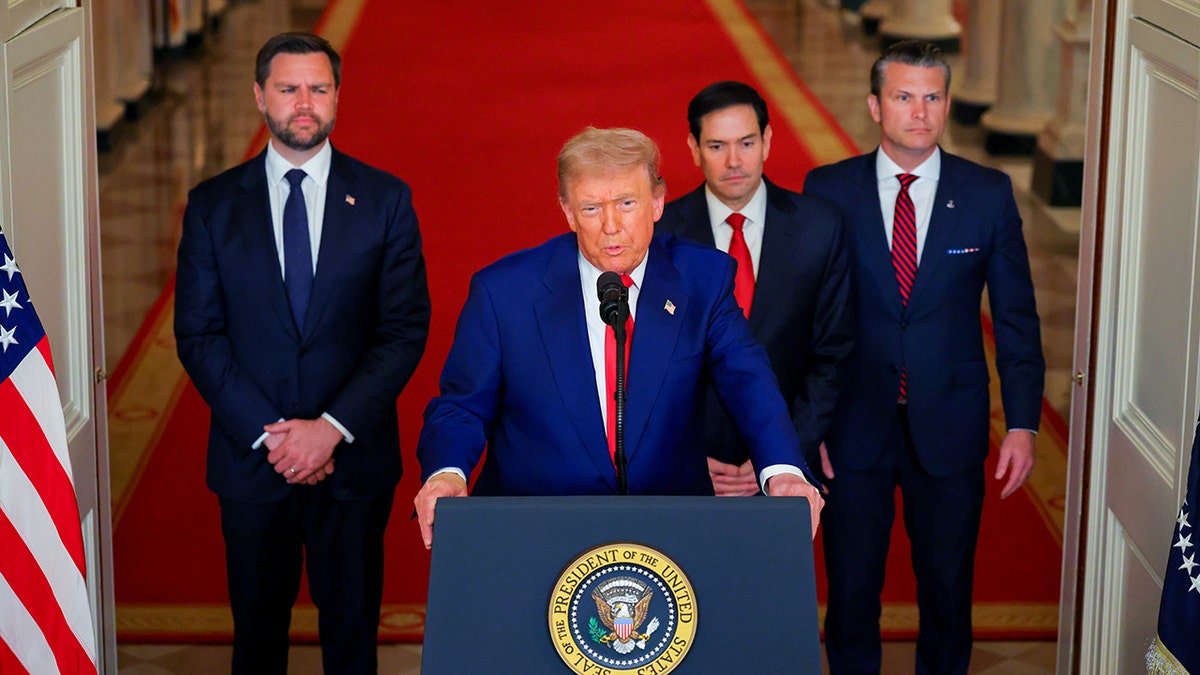
The Atlantic reported the warehouses are likely to come up during the confirmation hearing for Trump’s pick to replace Noem, Sen. Markwayne Mullin, an Oklahoma Republican. The question is not simply capacity. It is oversight, including how contracts were awarded, who drove the timetable, and what happens if policy changes leave half-built facilities searching for a purpose.
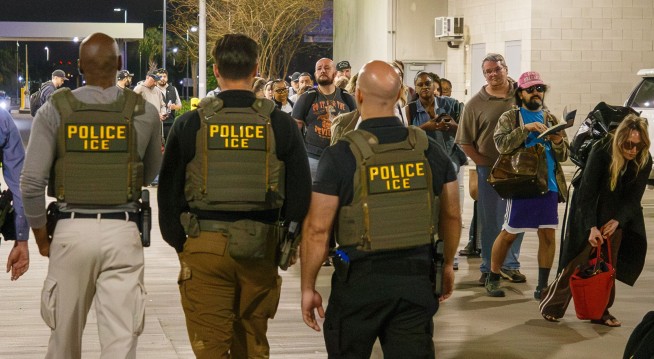
DHS, in a statement quoted by The Atlantic, framed the expansion as mission-critical, saying, “ICE aims to work with officials on both sides of the aisle to expand detention space to help ICE law enforcement carry out the largest deportation effort in American history.”
Watch the next moves: whether DHS formally pauses conversions, whether Congress demands a deeper review of purchases and contracting, and whether the warehouse plan survives the transition from Noem’s inner circle to whoever is left holding the keys.