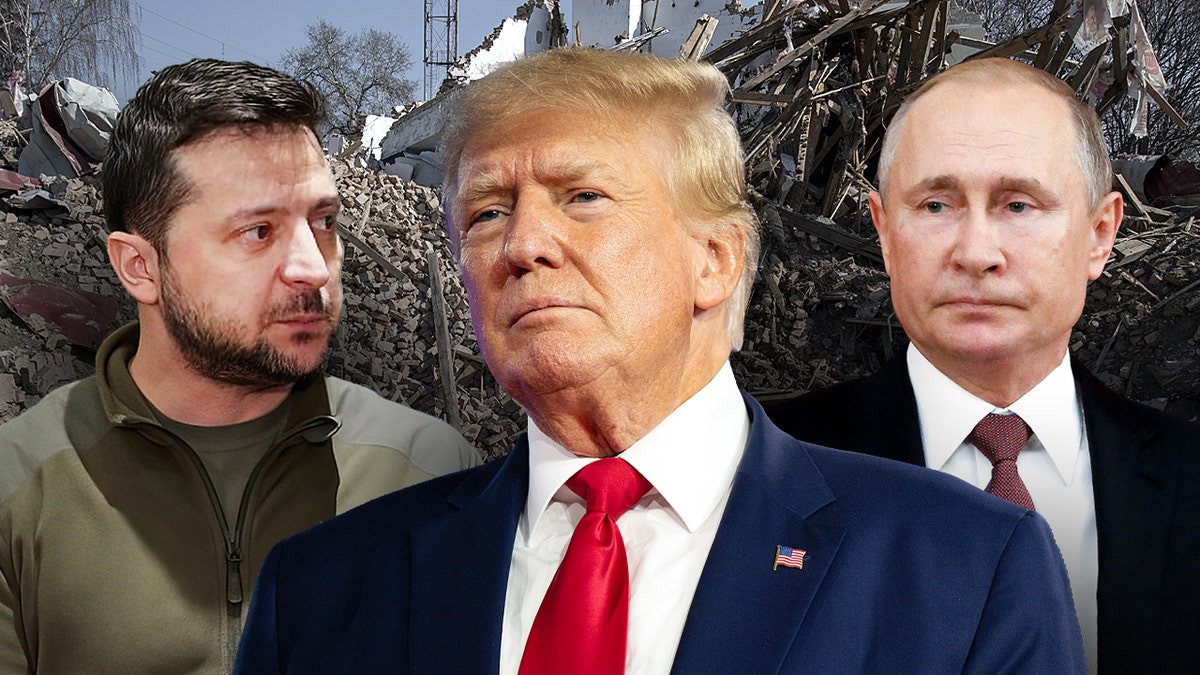
Kyiv says it is ready to sit down and talk peace. The problem is the chairs, the room, and the guest list are apparently being decided somewhere else.
What You Should Know
President Volodymyr Zelenskyy said Ukraine is ready for the next U.S.-backed trilateral peace talks with Russia, but said Washington and Moscow still have to agree on the venue and timing. He also pointed to air defense pressure and an EU oil transit dispute.
Zelenskyy’s comments, carried by The Associated Press and published by PBS NewsHour on March 15th, 2026, arrive at a moment when Ukraine is fighting Russia’s larger military, while global attention and weapons stockpiles are being drawn toward the Middle East.
Peace Talks Stuck on Venue, and Moscow Has the Veto
Zelenskyy said the U.S. floated hosting the next round of talks between American, Ukrainian, and Russian teams, including U.S. envoys Steve Witkoff and Jared Kushner. He said Russia refused to send a delegation, effectively freezing the next meeting before anyone even books flights.
His public pitch was simple and pointed. “We are waiting for a response from the Americans. Either they will change the country where we meet, or the Russians must confirm the U.S,” Zelenskyy said, adding that Ukraine was not blocking the idea of a trilateral format.
Drone Tech, Patriots, and a Side War Over Stockpiles
He also warned that the Iran war, which the AP report said began after U.S.-Israeli strikes on February 28th, 2026, could start draining the air defense inventory Ukraine relies on against Russian missiles. Zelenskyy said he discussed alternatives with French President Emmanuel Macron, including Europe-made SAMP/T systems as a possible substitute for U.S.-made Patriot batteries.
Then came the quieter flex: Zelenskyy pushed back on President Donald Trump’s claim that Washington does not need Ukrainian drone technology. Zelenskyy said the U.S. had contacted Ukraine multiple times seeking assistance, and he described a proposed defense cooperation deal he valued at $35 billion to $50 billion tied to technology from roughly 200 Ukrainian firms.
The Druzhba Pipeline Fight, and Orban’s Leverage
On energy, Zelenskyy opposed reopening the Druzhba pipeline route for Russian oil to Hungary and Slovakia, arguing that it conflicts with Europe’s sanctions on Russian energy elsewhere. He framed it as a political squeeze play, warning Ukraine could be forced into transit if weapons supplies were put at risk.
The AP report said Druzhba deliveries have been halted since January 27th, after what Ukraine described as damage from a Russian drone strike. Hungarian Prime Minister Viktor Orban, however, has accused Zelenskyy of deliberately blocking flows, and the standoff has spilled over to Brussels.
According to the same report, Orban has vetoed a new round of EU sanctions on Russia and is blocking a 90-billion-euro, about $106 billion, EU loan package for Ukraine until oil transit resumes. That is the leverage point Zelenskyy is trying to expose: peace talks stuck on logistics, air defense tied to other wars, and European unity suddenly linked to a single pipe.
What happens next depends less on speeches and more on decisions in Washington, Moscow, and EU capitals about timing, stockpiles, and money. Zelenskyy is signaling Ukraine will show up, but the rest of the table is still being set.