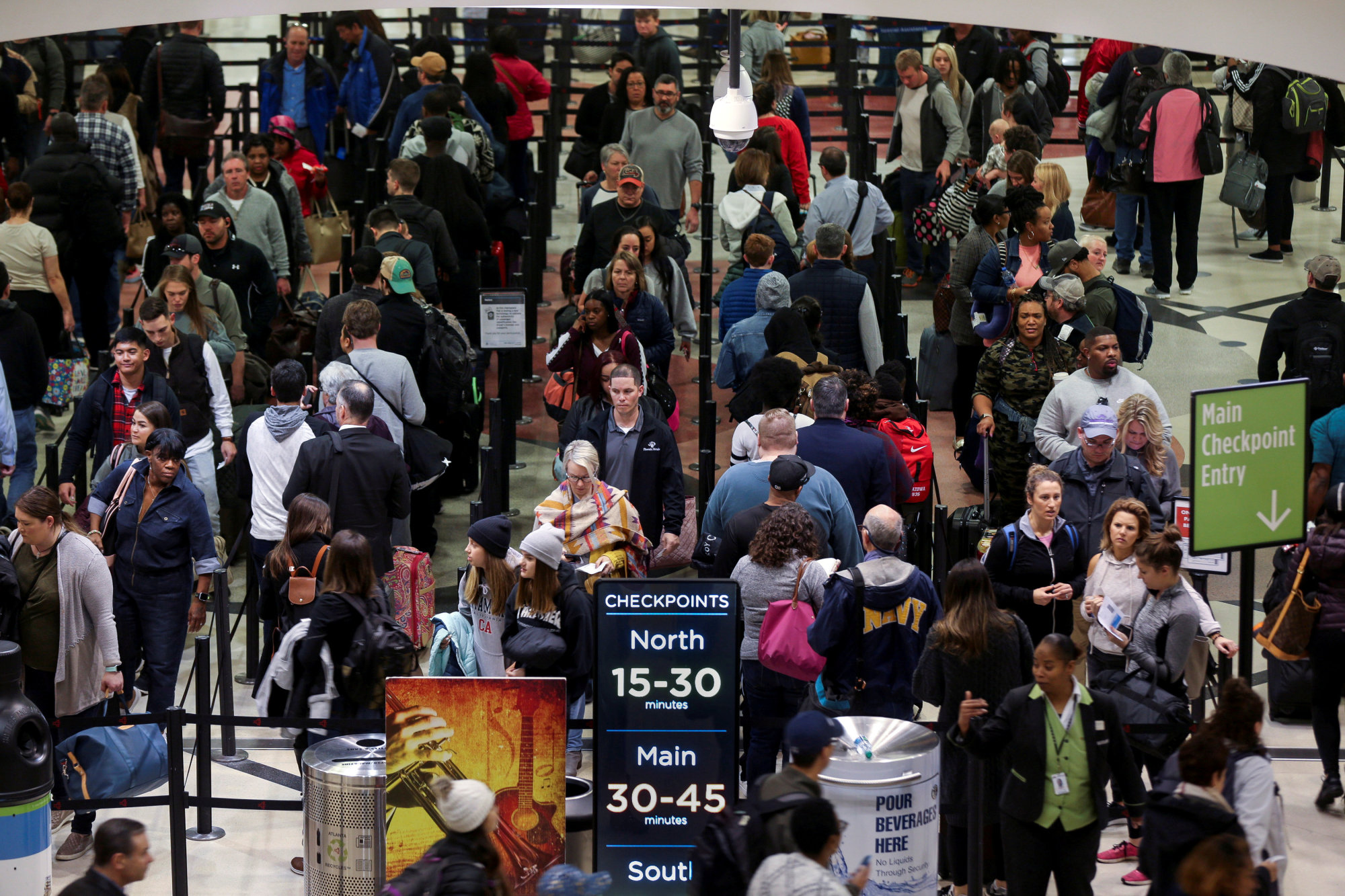


The politicians were fighting over funding. The airlines were watching the clock. When long airport lines began appearing as a shutdown symptom, CEOs reached for a blunt tool: a letter to Congress that put DHS funding and aviation security in the same sentence.
What You Should Know
During a partial government shutdown in 2018-2019, airline CEOs sent Congress a letter urging lawmakers to reopen the government and fund the Department of Homeland Security. Airports reported long security lines and cancellations due to staffing and operational strain.
The flashpoint was air travel, where even small disruptions can cascade fast. The pressure was aimed at Congress, which controls the purse strings, but the stakes landed on passengers, frontline screeners, and an industry that sells reliability for a living.
CEOs Tried a Pressure Play, Not a Policy Debate
CBS News reported that airline CEOs sent the letter as travelers faced long waits at some airports, with staffing problems cited as a driver. It was a clean escalation: take a Washington budget fight and attach it to the most visible bottleneck in American life, the security line.
The move also underlined an awkward power dynamic. Airlines cannot fund federal screeners, but they can amplify the consequences when screening breaks down, and they can do it loudly enough that lawmakers start hearing from constituents in the terminal.
In the letter, the CEOs urged lawmakers to act, writing, “reopen the government and resume funding for the Department of Homeland Security.” It was less a plea for sympathy than a message about operational reality: when the system relies on federal labor, a funding lapse can quickly become a business problem.
What the Paperwork Says About Shutdown Costs and Disruption
The Government Accountability Office has documented that shutdowns impose administrative burdens and additional costs across agencies, including expenses associated with restarting operations once funding returns. That matters in aviation because the restart is not just flipping a switch. It is staffing, scheduling, and clearing backlogs while the public demands normal service.
The Congressional Research Service has also laid out how shutdowns work in practice, including which activities continue under exceptions, why agencies still face operational strain when pay is delayed, and why uncertainty rises. Translation for travelers: flights might still change, but the human machinery that keeps the experience predictable can start to slip.
Why This Tactic Keeps Working in Washington
Airlines did not need to pick a side in the underlying political fight to change the incentives. They needed a symptom with immediate visibility and measurable pain, and airport lines delivered that without requiring a single new regulation.
What to watch next, in any future funding standoff, is whether the same pressure points reappear: staffing reliability, passenger bottlenecks, and public warnings from corporate leaders who would rather be selling tickets than refereeing Congress.