A small corner of British activism is starting to sound more American, and the question is whether that new volume is a youth fad or a serious pressure campaign aimed straight at Parliament.
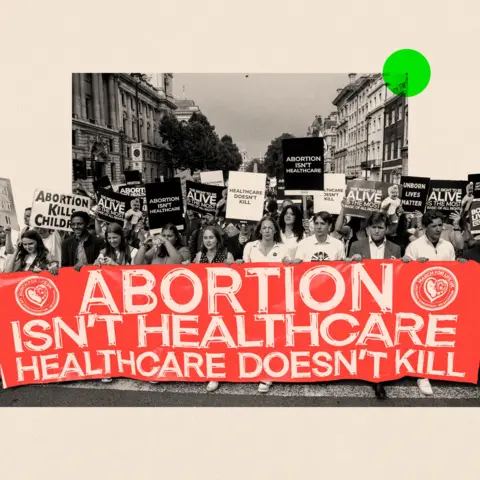
What You Should Know
The BBC reports that some young anti-abortion activists in the UK say US groups and US political media are helping drive a new generation of organizing. The debate is unfolding as lawmakers consider changes that would affect how abortion is treated in criminal law.
The BBC profile centers on John Alexander, a 21-year-old who says his opposition to abortion came before a deeper turn toward Christianity, and before he plugged into US political content that rewards confrontation over understatement.
The American Export
Alexander told the BBC that UK culture can mute the argument, while the US model does the opposite. “In the UK, people want to be polite, so they don’t tackle abortion in the same way because they are scared to talk about it,” he said, adding that some look to the United States because its activists are more vocal.
That cultural import is not just vibes. The BBC reports that US anti-abortion organizations now operate in Britain, and that online ecosystems can turn a niche worldview into an always-on identity, complete with conferences, campus societies, and content designed to recruit, train, and keep people in the fight.

The UK Law Fight in the Background
In the BBC account, one accelerant is legislation moving through the UK Parliament, the Crime and Policing Bill, which would decriminalise abortion at every stage of pregnancy in England and Wales, in the sense that women would not be prosecuted for ending their own pregnancies. Medical providers would still be constrained by existing rules, including the long-standing 24-week framework for most abortions.
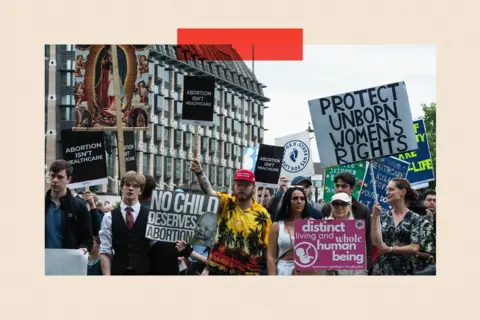
Supporters of abortion rights say the campaigning style is shifting, too, from quieter moral persuasion to tactics that feel imported from US culture-war politics. The BBC quotes leaders and analysts who say they are seeing more young people drawn into anti-abortion activism, even as the broader UK political culture remains far less dominated by the religious right than the US.
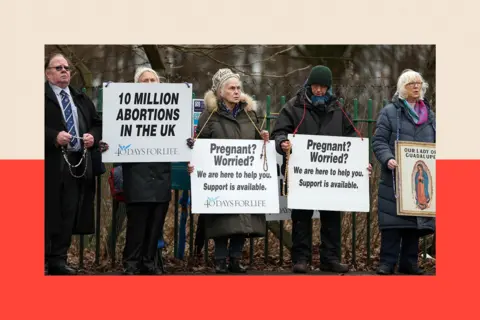
What Happens if the Import Sticks
The power question is whether a motivated minority can force the agenda. If activists can frame decriminalisation as a scandal, build a campus-to-politics pipeline, and keep the story in motion online, they do not need majority support to create headaches for lawmakers, charities, and clinics.
What to watch next is not just who is protesting, but who is paying, training, and providing the messaging toolkit, and whether UK parties decide this is a wedge worth picking up or a fire best left unlit.