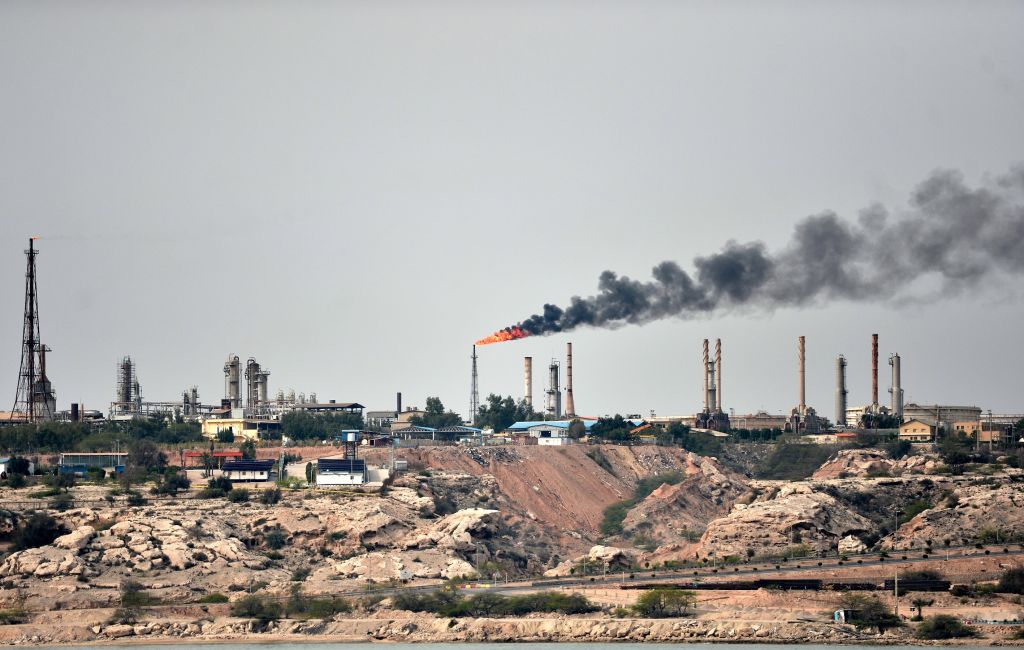
Everyone wants the Fed to blink first. Borrowers want cheaper money, businesses want clarity, and investors want a clean calendar of cuts. Instead, a war-driven oil shock is daring the central bank to choose which pain matters more.
What You Should Know
The Federal Reserve is widely expected to hold its benchmark rate steady at its March 18th, 2026, decision. Rising energy prices tied to the Iran war are complicating the inflation outlook, while new data show a weaker-than-expected U.S. jobs picture.

The setup is simple and ugly: inflation risks are growing louder at the same time the labor market is showing signs of fatigue. That is the exact crosscurrent that makes Fed officials allergic to bold moves, because easing too soon can reheat prices, and staying tight too long can crack hiring.
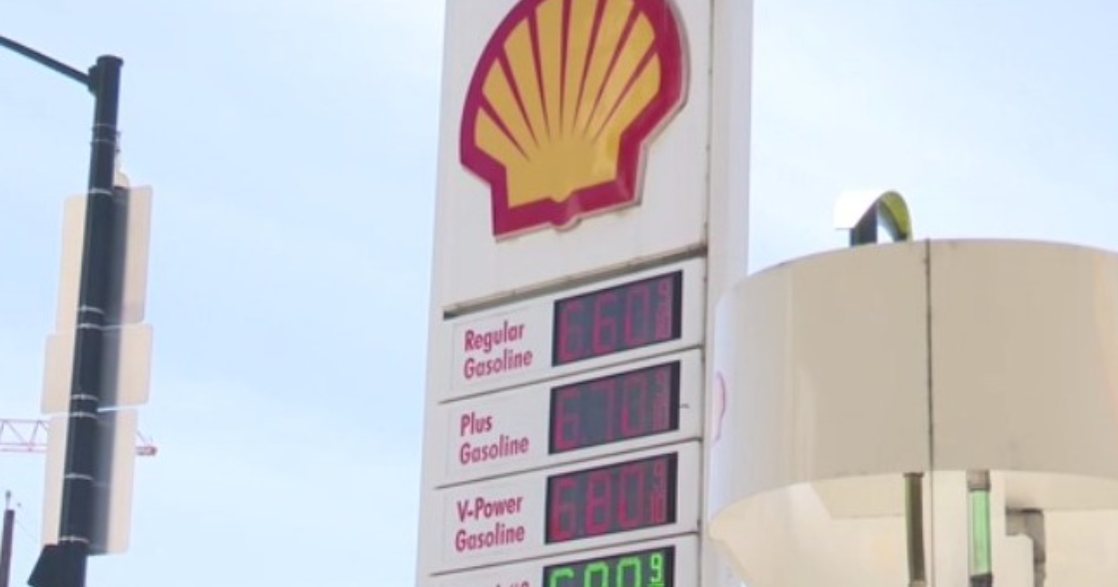
The Fed’s New Problem Is Not Subtle at the Pump
Economists have warned that oil and gasoline spikes do not stay politely contained. They leak into shipping, food, and household bills, and that is how a headline energy move can turn into broader inflation pressure that the Fed cannot ignore.

That risk lands on top of an inflation baseline that was already not cooperating. The Fed’s preferred inflation gauge, the Personal Consumption Expenditures price index, showed prices rising in January, before the full energy shock was even in the rearview mirror.
Markets Are Quietly Pricing Out the Cut Party
Futures traders are not subtle, either. CME FedWatch has pegged the odds of a hold at the March 18th meeting at about 99%, with markets also leaning toward holds in late April and June as the energy story stretches the timeline.
Some forecasters are now talking like 2026 could deliver fewer cuts than the public was counting on. EY-Parthenon chief economist Gregory Daco put it bluntly in a note to investors: “It is entirely plausible that the Fed won’t deliver any rate cuts this year.”
The Squeeze on Workers Raises the Stakes
The other side of the vice is hiring. The February employment report showed employers shedding 92,000 jobs, a downside surprise that undercuts the idea that the economy can effortlessly absorb higher-for-longer rates.
“This could create a dilemma for the central bank: cut the fed funds rate to support the labor market, and inflation could move even higher, or keep the fed funds rate where it is and risk further weakness in the labor market.”
That dilemma is where the power dynamics get real. The Fed is supposed to be insulated, but every month that borrowing costs stay elevated, pressure builds from voters, industries, and elected officials who want someone to blame for mortgages, credit cards, and layoffs.
For now, the path of least regret looks like a hold, plus hawkish caution, until energy prices cool or the job market forces the issue. Watch the next inflation prints, watch oil, and watch whether officials start signaling that the first cut is no longer a calendar event.