

When a president uses conquest language and calls it friendly, the real question is not whether the line is serious. It is what leverage is being assembled behind it, and who is supposed to blink first.
What You Should Know
A BBC Sounds episode of “Americast,” published March 13th, 2026, examined President Trump’s comments about Cuba and discussed reported U.S.-Cuba talks. The episode also focused on energy pressure, threats of sanctions, and the risk of worsening blackouts.
The episode, titled “Is Cuba Trump’s next target after Iran?” features hosts Justin Webb and Anthony Zurcher walking through a familiar Trump move: provocative language on the microphone, and negotiating signals behind the curtain.
The Takeover Talk, and the Real Leverage
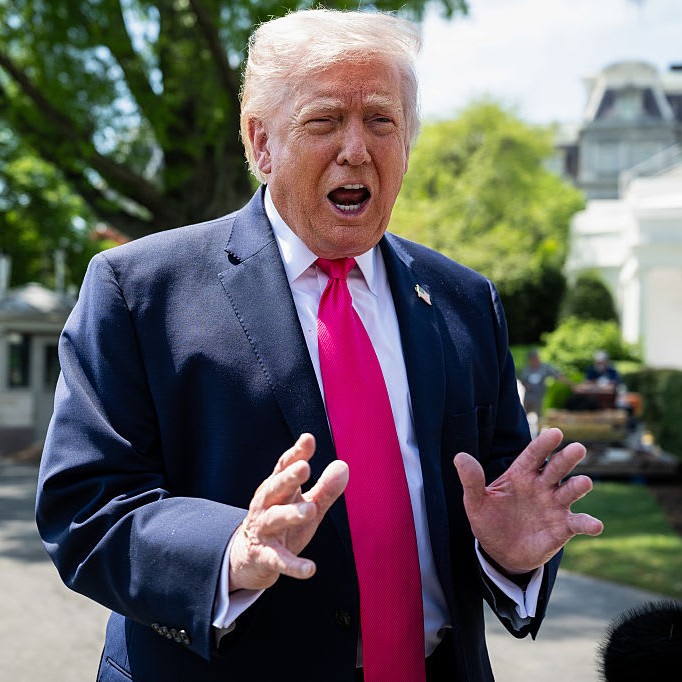
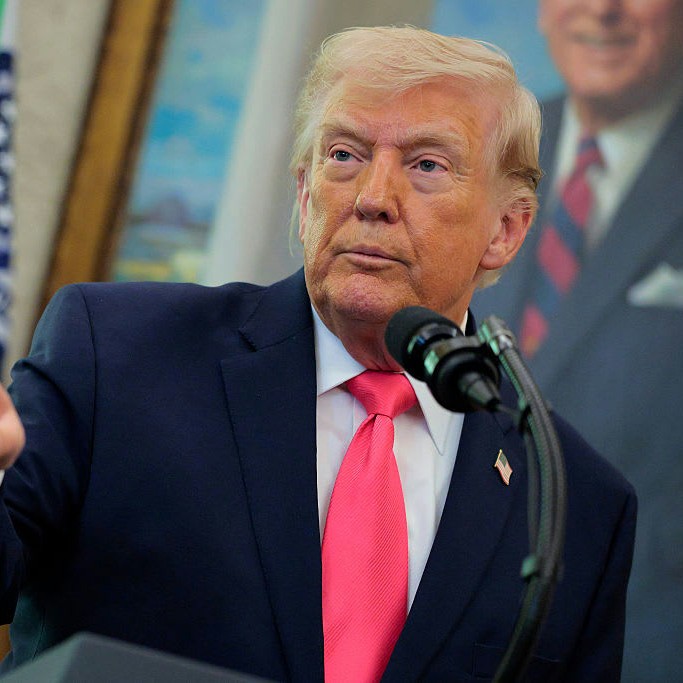
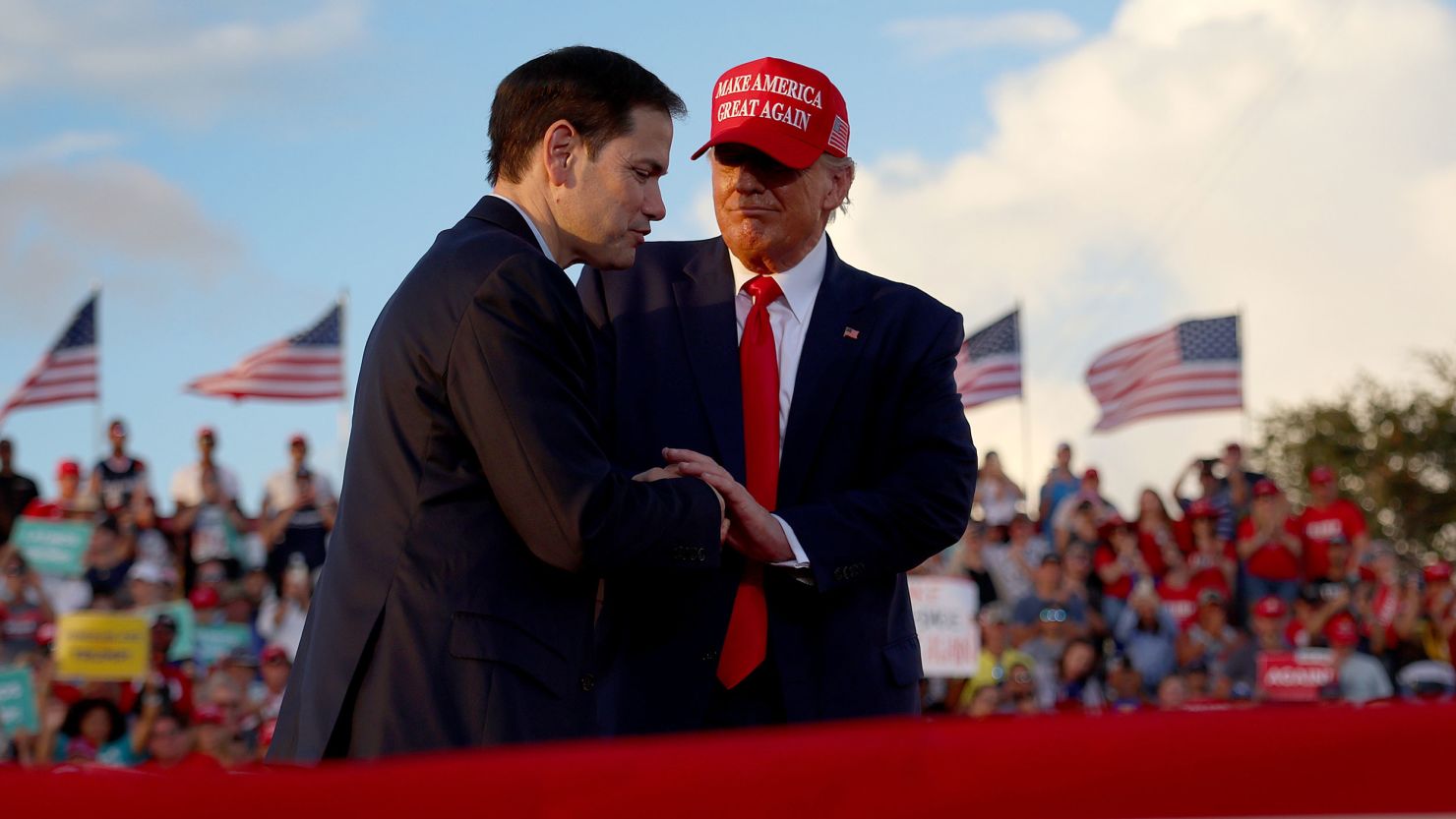
On the show, Trump is described as renewing what the hosts call a threat of a “friendly takeover” of Cuba, paired with the claim that Havana is “desperate to make a deal.” Whether that is bluff, salesmanship, or a starting gun, the phrasing puts Cuba in a weak role by design.
That power dynamic matters because U.S.-Cuba policy is not only about flags and speeches. It is about banking access, shipping, tourism flows, and Washington’s ever-present ability to make third countries think twice.
Cuba’s Oil Squeeze and the Blackout Clock
The episode argues the pressure campaign is being built around energy. It says the administration has aimed to restrict oil reaching the island, including by targeting Venezuelan supply lines and by warning of tariffs for countries that help keep Cuba fueled.
The hosts also tie that squeeze to a practical deadline: Cuba’s electricity grid, they note, depends heavily on oil, and widespread blackouts can quickly turn into an economy-wide problem that hits hospitals, schools, agriculture, and tourism at the same time.
Talks, Back Channels, and the Political Upside
To ground the conversation in history, the show brings in Peter Kornbluh, a senior analyst at the National Security Archive and co-author of “Back Channel to Cuba: The Hidden History of Negotiations between Washington and Havana.” His presence is a reminder that even during public hostility, governments have often relied on quiet channels to trade proposals, test red lines, and avoid public humiliation.
That contrast is the episode’s tension point: the public posture is maximalist, but the incentives for private bargaining are obvious. If talks are real, the next signal to watch is not the rhetoric. It is whether either side can offer a verifiable step that saves face and keeps the lights on.