Two violent scenes, less than two hours apart, left officials praising split-second intervention and quietly arguing about something harder to define: when a headline becomes terrorism, and when it becomes motive.
What You Should Know
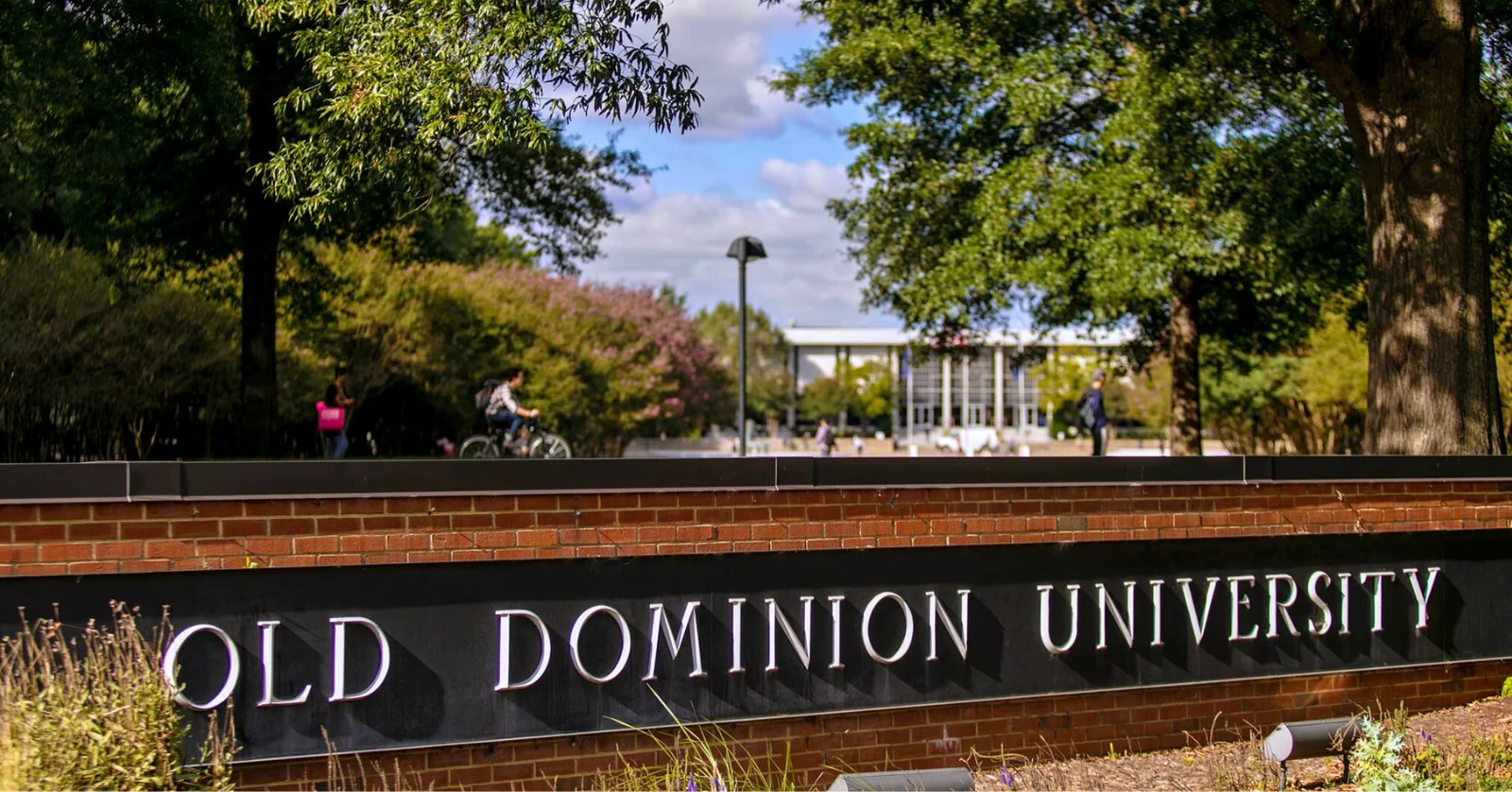
Authorities say one person was killed and two were wounded in a classroom shooting at Old Dominion University, and no children were hurt when a man rammed into Temple Israel near Detroit. The FBI is leading both investigations, but the cases are being categorized differently.
The Virginia suspect, Mohamed Bailor Jalloh, had a prior federal conviction tied to the Islamic State, according to court records and reporting from The Associated Press. In Michigan, authorities say Ayman Mohammad Ghazali crashed a vehicle into a major Reform synagogue complex and then died by suicide after exchanging gunfire with security.
Two Attacks, Two Labels, One Federal Spotlight
At Old Dominion University, authorities say Jalloh opened fire in a classroom after asking whether an ROTC event was underway. Investigators say ROTC students rushed him, subdued him, and killed him before he could do more damage.
Officials say Lt. Col. Brandon Shah, an ROTC leader, was killed, and two others were wounded. Sentara Health said one victim was released, and the other was listed in fair condition, a medical update that turned a campus terror case into a narrow window for questions about how the gunman got there at all.
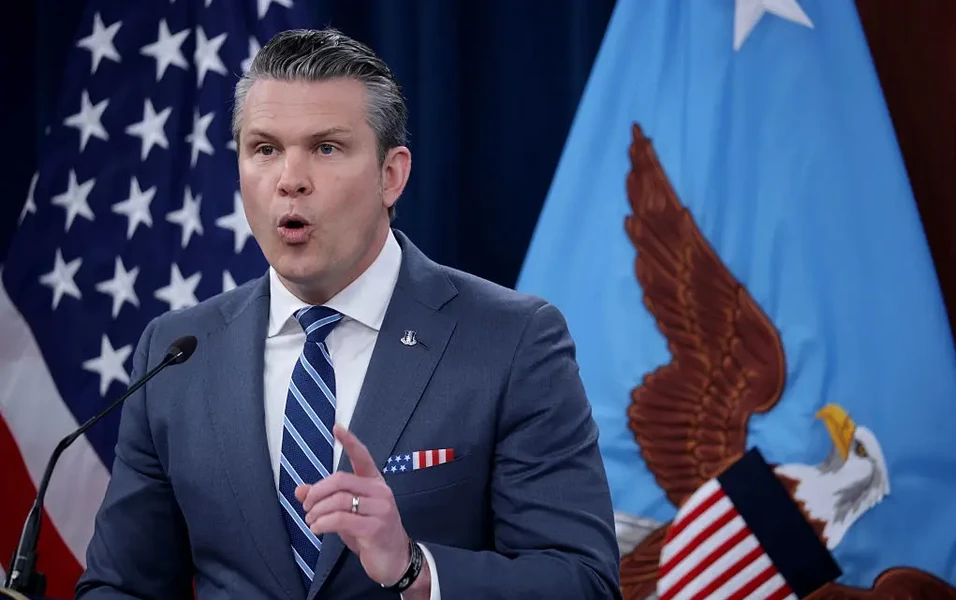
The FBI director, Kash Patel, described the campus shooting as being investigated as an act of terrorism. That label matters because it can shape charging decisions, resource allocation, interagency coordination, and the public narrative that follows.
Old Dominion Shooter, Old Conviction, New Questions
Jalloh was a naturalized U.S. citizen from Sierra Leone and previously served with the Virginia Army National Guard until 2015, when he was honorably discharged, according to authorities. Court records show he pleaded guilty in 2017 to providing material support to a designated foreign terrorist organization, the Islamic State group, and was sentenced to 11 years in prison.
According to The Associated Press, he was released early after completing a drug treatment program, a detail that raised immediate procedural questions because terrorism-related sentences are typically treated differently inside the federal system. Authorities say he was later moved to a residential reentry center, then released from federal custody, and was on probation while taking online classes at the university.
Investigators say Jalloh yelled “Allahu akbar” before opening fire, a detail pulled from authorities and court papers. In this case, the government is signaling it sees ideology, not just violence, as central to the motive and to the case it intends to build.
Temple Israel, A Car, and a Fire
In West Bloomfield, Michigan, authorities say Ghazali waited outside Temple Israel for about two hours with a rifle, commercial-grade fireworks, and containers of liquid believed to be gasoline, then crashed into the building while dozens of children and staff were inside. Authorities say an armed security guard exchanged gunfire with him, a security officer was struck by the vehicle, and Ghazali died after he got stuck and the vehicle caught fire.
FBI officials described it as violence targeting the Jewish community, but said they did not yet have enough evidence to call it terrorism. That contrast, terrorism in Virginia and not in Michigan, highlights the tightrope investigators walk between what a suspect did, what they can prove, and which legal definitions survive court.
Authorities in Michigan have also pointed to an intense personal trigger, saying Ghazali had recently learned that family members were killed in an Israeli airstrike in Lebanon. What happens next will likely turn on evidence of planning and intent, and whether investigators can connect grievance to an ideology-based case that meets the federal threshold.