

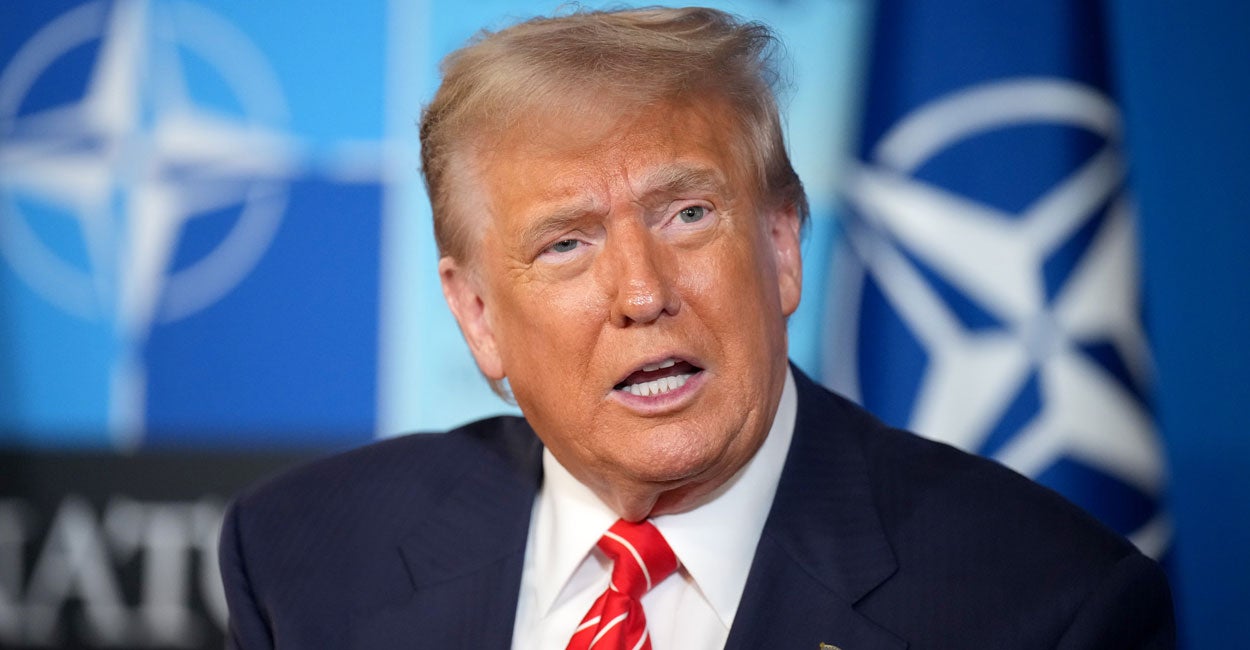
President Donald Trump says the war is basically over. Then he turns around and asks other countries to help keep the world’s most sensitive oil chokepoint from becoming a blockade.
What You Should Know
An Associated Press analysis published March 15th, 2026, says Trump is struggling to sell the Iran war as U.S. deaths mount and oil prices jump. It also reports a new push for allies to help protect shipping in the Strait of Hormuz.
The core tension is simple. Trump is telling rally crowds and online followers that America is winning, while his own public messaging now leans on a coalition to manage the consequences already hitting wallets, markets, and politics.
Trump’s Victory Talk Meets the Hormuz Reality
According to the AP analysis, Trump pledged early that U.S. naval ships would escort tankers through the Strait of Hormuz. Two weeks in, the escort mission had not materialized, even as Iran signaled it would keep targeting energy infrastructure and pressure the waterway.
Trump, who the AP said kept most allies besides Israel out of his war planning, posted that affected countries should send warships. He wrote, “This should have always been a team effort.” Britain, Japan, South Korea, and China responded cautiously, per the AP, with variations of coordination, monitoring, and “options” talk.
The geography makes the ask unavoidable. The AP noted that about a fifth of the world’s traded oil flows through Hormuz, so even a partial disruption ripples quickly into global oil prices, shipping insurance, and political blame.
Gas, Markets, and a Midterm Clock That Does Not Pause
The AP analysis described rising oil prices and sliding financial markets, alongside American deaths in the conflict, as the backdrop to Trump’s fraying message discipline. It also reported he spent significant time at his West Palm Beach golf club during the period and attended a closed-door fundraiser at Mar-a-Lago.
Inside the political fight, Democrats are trying to weld war anxiety to cost-of-living anger. Kelly Dietrich, CEO of the National Democratic Training Committee, told the AP, “They’re flying by the seat of their pants, and the rest of us are paying the price.”
A Russia Waiver, a Media War, and a Divided Base
One of the most consequential, and least tidy, policy choices in the AP report sits outside Iran. The U.S. Treasury Department announced a 30-day waiver easing some Russian oil sanctions, a move the AP said could free cargoes stranded at sea even as higher prices already benefit Moscow’s oil-heavy war economy.
Trump has also aimed his frustration at the press and broadcasters, writing, “Media actually want us to lose the War,” the AP reported. The same analysis said his broadcast regulator later warned stations about licenses, adding another front to a conflict that is already splitting parts of the MAGA coalition between hawks and anti-intervention loyalists.
Next up is not just what happens militarily, but whether Trump can align his words with the mechanics of shipping security, sanctions, and consumer prices. Watch the Hormuz escort plan, the duration of the Russia waiver, and whether Congress turns the war’s economics into a midterm referendum.