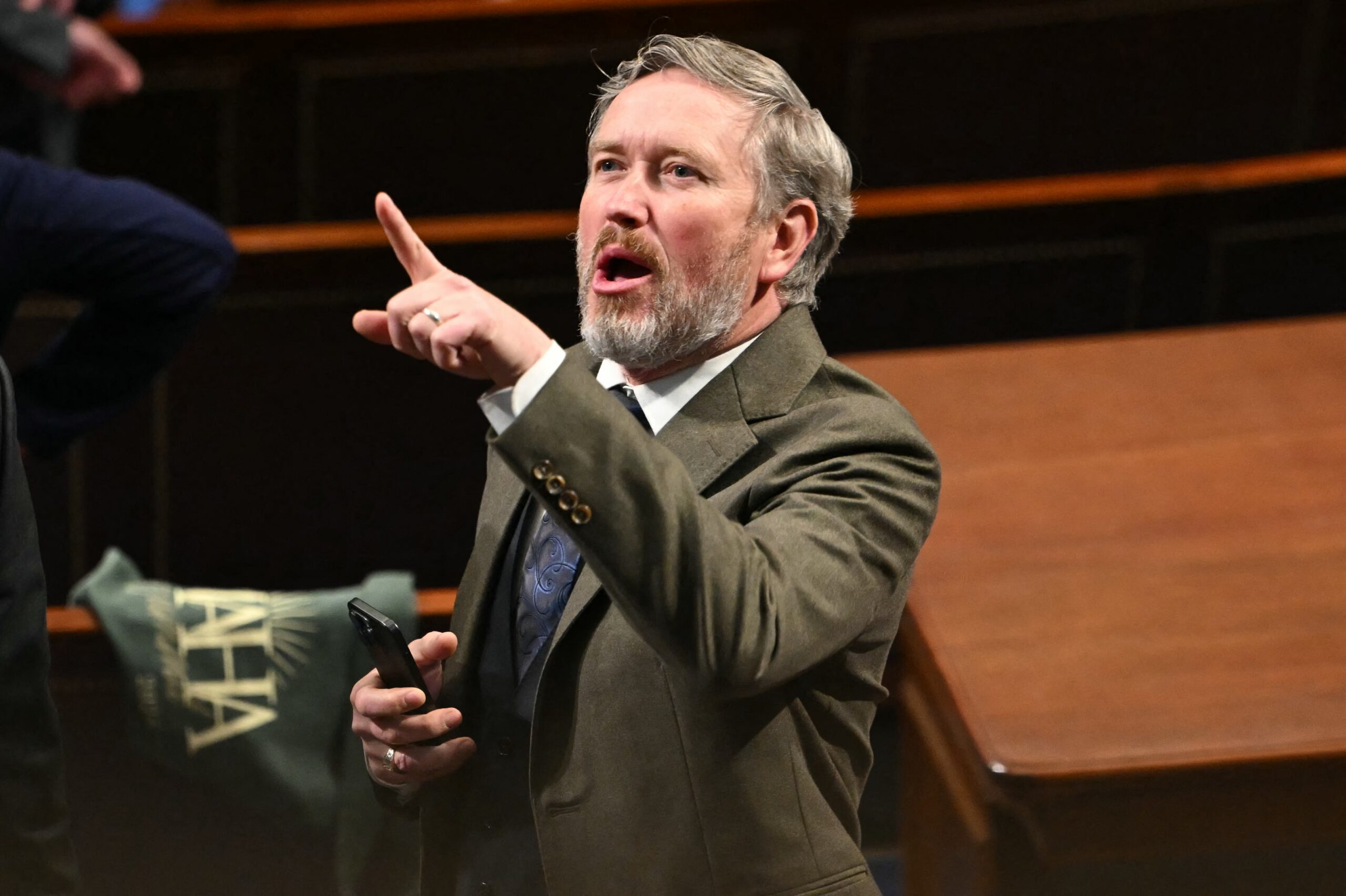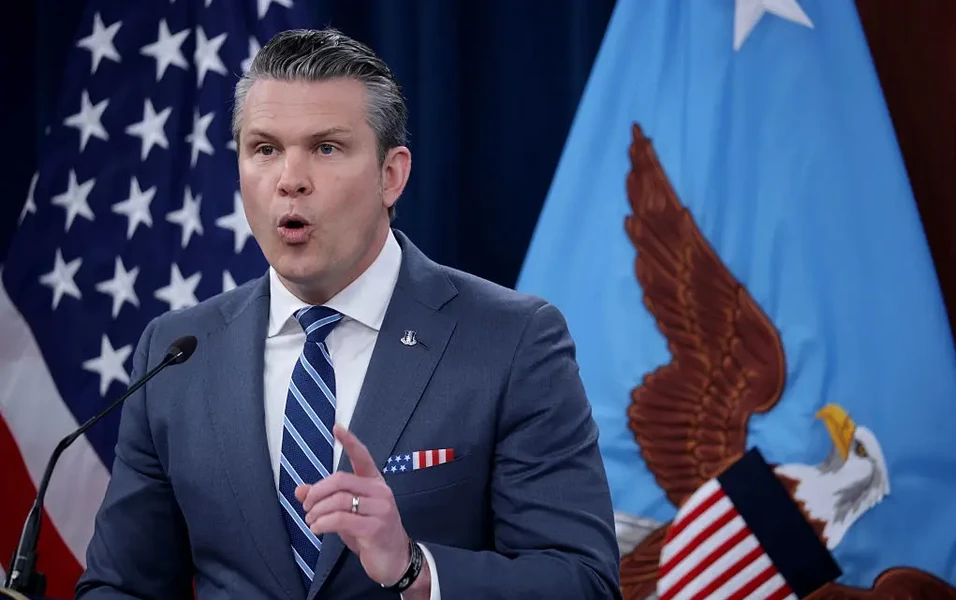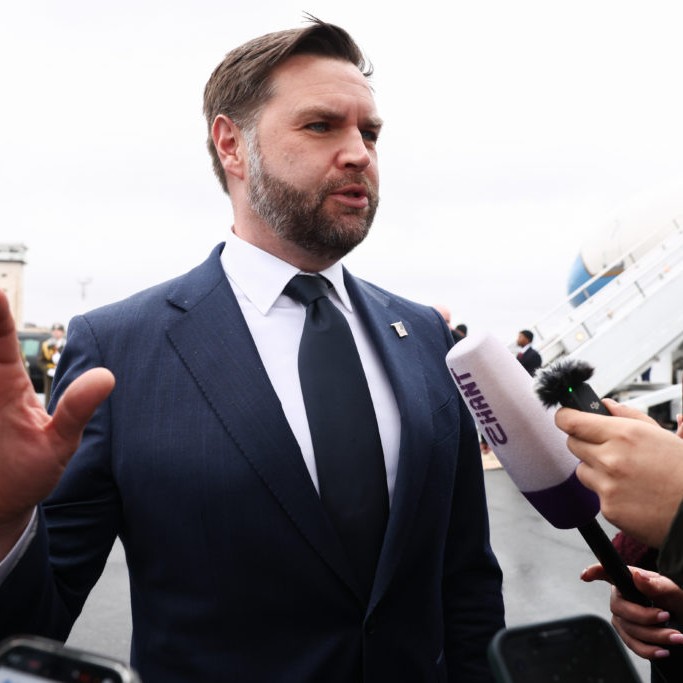
One word showed up on the vice president’s feed, and then it was gone. In Yerevan, that word is history. In Washington, it is policy, alliances, and a White House that keeps saying the problem is the staff.
What You Should Know
Vice President JD Vance’s office posted then deleted an X message describing his visit to Armenia’s genocide memorial, and the White House blamed a staff mistake as Vance avoided the term in comments to reporters.
Vance was in Armenia as part of a Trump administration trip tied to a U.S.-brokered peace effort between Armenia and Azerbaijan, a regional balancing act that inevitably runs through Turkey, a key U.S. ally that rejects the genocide label.
Here is the tension: Vance becomes the first sitting U.S. vice president to visit Armenia, steps into the Armenian Genocide Memorial, and his official account initially describes the visit as honoring “the victims of the Armenian genocide.” Then the post is deleted, swapped, and explained away as a staff error.
That might sound like normal social media housekeeping, except the phrase Vance’s team typed is the exact phrase U.S. presidents spent decades avoiding because Ankara does not just dislike it. Turkey treats it as a diplomatic provocation.
And this is not an academic fight over vocabulary. It is a fight over recognition, legal framing, and the kind of international leverage that gets pulled quietly when cameras leave.
The Post That Got Erased and the Trip That Did Not
According to the Associated Press report published by PBS News, the first message from Vance’s official X account said he was visiting the memorial “to honor the victims of the Armenian genocide.” A new post replaced it, including an image of what Vance wrote in the guest book and footage of Vance and second lady Usha Vance laying flowers.
When reporters asked Vance directly whether he was “recognizing” genocide, he did something politicians do when a word is radioactive. He talked around it.
“They said this is a very important site for us, and obviously I’m the first (U.S.) vice president to ever visit Armenia,” Vance said, according to the AP. “They asked us to visit the site. Obviously, it’s a very terrible thing that happened a little over a hundred years ago and something that’s very, very important to them culturally.”
He added that the visit was “a sign of respect, both for the victims but also for the Armenian government that’s been a very important partner for us in the region.”
Notice what is missing. The word that appeared in the deleted post never appears in Vance’s spoken answer.
The Word That Starts Fights in Ankara and Washington
The term genocide is not just moral language. It is a legal category, codified after World War II, and used carefully by governments because it can trigger diplomatic consequences and, in some cases, arguments about obligations.
The AP story notes that the U.S. government historically avoided calling the mass killing and deportation of Armenians in the Ottoman Empire a genocide, largely to avoid alienating Turkey. That long-running U.S. posture changed in 2021, when President Joe Biden issued a statement formally recognizing the killings as genocide.
Biden’s language mattered because it crossed a line previous administrations tiptoed around. In his Armenian Remembrance Day statement, Biden wrote, “We remember the lives of all those who died in the Armenian genocide of the Ottoman era.”
Turkey’s reaction to Biden in 2021 became part of the cautionary tale. In the AP account, Turkey’s foreign minister said, “will not be given lessons on our history from anyone.”
So, when the vice president’s account uses the same term, then deletes it, the deletion is the story. Either the U.S. government meant it and got cold feet, or it did not mean it and cannot control its own messaging in a high-stakes region.
The White House’s Favorite Defendant: An Unnamed Aide
The White House explanation for the deleted post was blunt. A staff member made a mistake, according to the AP report.
That would be clean if it were not so familiar. The same AP story points out the West Wing had recently blamed another controversy over a social post on an unnamed aide, in that case involving a racist video shared on President Donald Trump’s Truth Social account that depicted former President Barack Obama and former first lady Michelle Obama as jungle primates.
In both cases, the underlying question is not just who hit publish. It is who benefits from the distance.
When a message lands well, it is the administration speaking. When a message blows up, it is a faceless staffer. That is a classic power move in Washington: the boss keeps the megaphone, the aide keeps the bruise.
Why Armenian Americans Are Watching, and Why Turkey Is, Too
Domestically, Armenian Americans have long pushed U.S. leaders to use the genocide label, and they remember which politicians take the risk and which ones find synonyms. Vance’s trip, and the deleted word, put the administration in a tricky spot with a constituency that tracks language closely.
Internationally, Turkey has spent years urging allies and institutions not to apply the genocide label to the events of 1915 and the surrounding years. Ankara’s influence is not theoretical. Turkey is a NATO member, sits at a crossroads of conflicts, and routinely becomes a crucial player in U.S. regional strategy.
Meanwhile, Armenia and Azerbaijan sit in a security chess match where outside brokers, including the U.S., try to prevent flare-ups from turning into wider conflict. The AP report frames Vance’s travel as part of follow-through on a U.S.-brokered deal aimed at ending the decades-long conflict, with Vance traveling on to Azerbaijan.
That context turns a deleted post into something bigger. It looks like an administration trying to keep the peace process centered while avoiding any extra diplomatic fires, even ones lit by its own keyboard.
So Was the Word a Mistake, or a Glimpse?
The White House says it was a staff error. Vance’s on-camera words suggest discipline, or caution, or both. But the existence of the original post suggests someone inside the machine thought the word was safe enough to use, at least until it was not.
There are only a few possibilities:
- The administration accepts Biden’s 2021 recognition as U.S. policy but wants to avoid emphasizing it in a sensitive moment.
- The administration is quietly retreating from that recognition in practice, without formally reversing it.
- The administration has no unified language standard on the issue, and the clean-up is the real-time evidence.
What makes this moment sticky is that it is happening during a diplomatic trip. If you are trying to project control abroad, you do not want your highest-profile delegation to look like it cannot control its own words.
What Happens Next, and What to Watch
The AP report says it is not yet clear whether there will be diplomatic consequences. If Turkey decides to press the issue, it can do so quietly through diplomatic channels or loudly in public statements. If the administration wants to close the loop, it can clarify whether it still stands by the 2021 recognition as a matter of U.S. policy.
Vance, for his part, tried to pivot back to the trip’s mission. “I think the president struck a great peace deal. I think the administration is really making it stick,” he said, according to the AP.
That line is the tell. The administration wants the headline to be about dealmaking. The internet wants the headline to be about the deleted word. The region will care about which one reflects the reality inside U.S. decision-making.
References