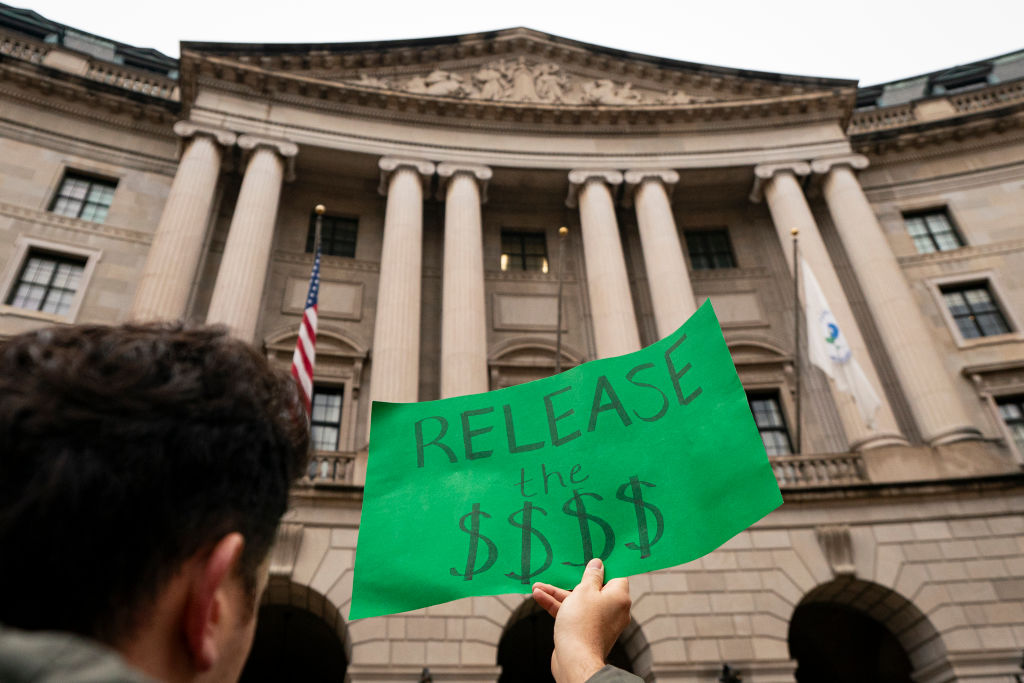
The Trump administration says it just pulled the legal rug out from under federal climate regulation. The question is whether the courts will let it stand or treat this as another Washington power move that collapses the moment lawyers start filing.
What You Should Know
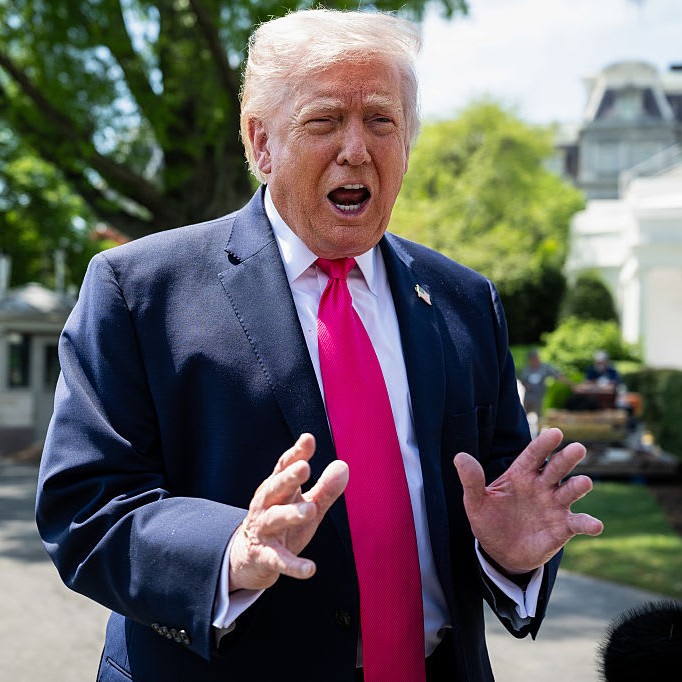
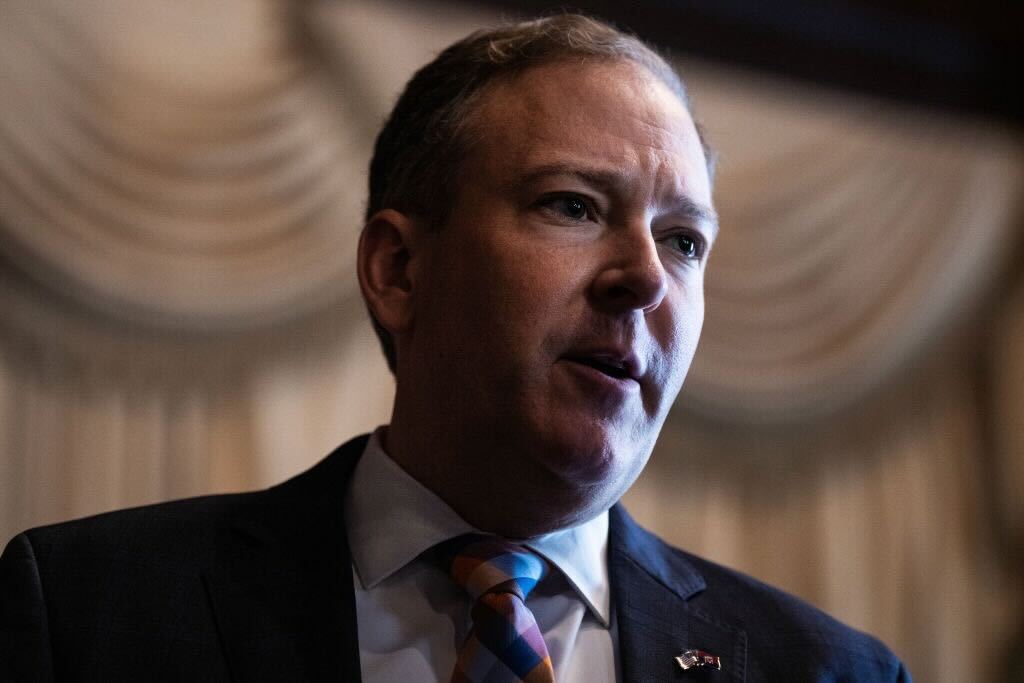
President Donald Trump and EPA Administrator Lee Zeldin announced plans to revoke the EPA’s 2009 endangerment finding, the key determination used to regulate greenhouse gases under the Clean Air Act. The move is expected to trigger major legal challenges.
The endangerment finding is not a small technical memo. It is the federal government’s formal conclusion that greenhouse gases threaten public health and welfare, which is why the EPA has been able to regulate emissions from major sources, including vehicles and power plants.
The EPA still publishes the endangerment finding as a formal agency action, and it remains one of the most litigated and consequential climate documents in American government.
Where the Emissions Really Come From
This fight is not abstract. It is about the biggest, most regulated sources of emissions in daily life. The EPA’s emissions breakdowns have long shown transportation as a leading U.S. greenhouse gas sector, with passenger vehicles and light trucks as major contributors within that bucket.
CBS News reported that up to 20% of U.S. heat-trapping gases come from the tailpipes of cars and light trucks, with other major sources including airplanes, power plants, and oil and gas facilities. Even if you dispute the exact slice, the point stands: the rules touch a lot of money, a lot of industrial capacity, and a lot of consumer products.
That is why the endangerment finding matters so much. It is the legal bridge between climate science and the regulatory state, a bridge the administration is now trying to blow up.
The White House Sales Pitch: $1.3 Trillion
The administration’s argument is simple and politically useful: regulation costs too much, and repealing the endangerment finding clears the path for cheaper energy and cheaper cars.
According to CBS News, White House press secretary Karoline Levitt framed the repeal as a cost-cutting move, saying it would save the public roughly $1.3 trillion and reduce new vehicle prices. CBS also reported that Levitt estimated average savings of more than $2,400 per light-duty car, truck, or SUV.
Those numbers are not just talking points. They are the administration putting a price tag on the climate regulatory state and daring opponents to argue against lower sticker prices.
Critics, meanwhile, argue the math is upside down because it ignores longer-term economic damage from warming-driven disasters and health impacts. Environmental Defense Fund President Fred Krupp put it bluntly, per CBS News: “This action will only lead to more of this pollution, and that will lead to higher costs and real harms for American families.”
The Union of Concerned Scientists also slammed the move. CBS News quoted its CEO, Dr. Gretchen Goldman, calling it an “obvious example” of what happens when a “corrupt administration and fossil fuel interests” are “allowed to run amok.”
Why This Turns Into Courtroom Math
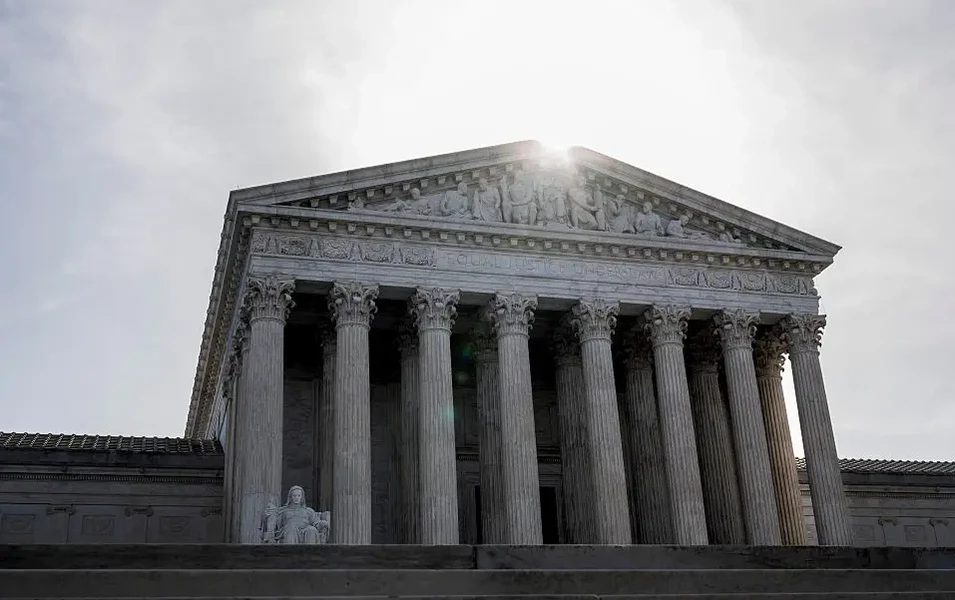
The endangerment finding sits on top of a legal stack that does not disappear just because an administration wants it gone. In 2007, the U.S. Supreme Court held in Massachusetts v. EPA that greenhouse gases can qualify as air pollutants under the Clean Air Act, rejecting the idea that the EPA could simply shrug and walk away from the question.
That case matters because it undercuts a core political fantasy in Washington: that you can win an argument by rewriting a paragraph in the Federal Register. Courts tend to ask for the administrative record, the scientific basis, and whether the agency is behaving consistently with the statute and prior findings.
CBS News also noted that the endangerment finding is supported by years of science and federal court rulings, making the administration vulnerable to protracted litigation over whether it can legally erase the government’s own scientific and statutory conclusions.
The contradiction at the center of this story is hard to miss. The administration is presenting the rollback as consumer relief and energy dominance. Opponents are likely to frame it as an attempt to delete a scientific conclusion because it is politically inconvenient and economically restrictive for certain industries.
Business Hears One Thing, Plans for Another
Even if the administration gets what it wants on paper, the practical question is whether major companies will bet on it. Automakers, utilities, and energy producers plan in decades, not election cycles, and their biggest fear is regulatory whiplash.
CBS News reported that John Tobin-de la Puente, a business professor at Cornell University’s SC Johnson College, does not expect companies to build long-term plans around the administration’s move, citing the likelihood that a future administration could restore carbon regulations.
That is where this becomes a power struggle, not just a policy fight. The White House can declare a rollback. Courts can pause it. States can sue. Companies can hedge. Investors can price in uncertainty. In that environment, the endangerment finding becomes less like a technical EPA determination and more like a contested asset.
What to Watch Next
Three things will signal whether this is a lasting rewrite or a short-term flex.
- How fast lawsuits arrive, and whether courts issue stays that freeze the rollback while the case proceeds
- How the EPA justifies reversing a finding grounded in a large scientific record, and whether judges view the explanation as legally durable
- Whether industries act as if the rollback is real, or treat it as temporary political weather, and keep building around future regulation risk
The administration is betting that cost messaging and deregulation branding can beat the bureaucratic and scientific weight of a 2009 decision. The opposition is betting that administrative law, Supreme Court precedent, and the evidentiary record will box the EPA in.
Either way, the endangerment finding is no longer just a climate policy tool. It is a test of how much of the modern regulatory state can be dismantled by executive action before the judiciary snaps it back into place.
References