The pitch is diplomacy, but the power play is verification. The U.S. and Iran are talking about talks again, and the question hanging over the whole thing is simple: Who gets to measure what Iran has, and when?
What You Should Know
Iran and the U.S. are weighing a second round of nuclear talks after a June Israel-Iran war and a crackdown on protests in Iran. Iran says it wants nuclear-only negotiations, while the U.S. is raising broader concerns as inspectors remain unable to verify Iran’s stockpile.
The immediate backdrop is a bruising regional spiral: a 12-day war in June, U.S. military moves into the Persian Gulf, and Iran insisting it is not seeking a bomb even as international inspectors have been unable for months to verify what Tehran has on hand.
The Talks Are Back on the Menu, but the Terms Are Not
According to PBS NewsHour, publishing an Associated Press report datelined Dubai, U.S. and Iranian officials are weighing a second round of nuclear talks after the June war disrupted earlier diplomacy that had been hosted in places including Rome and Muscat, Oman.
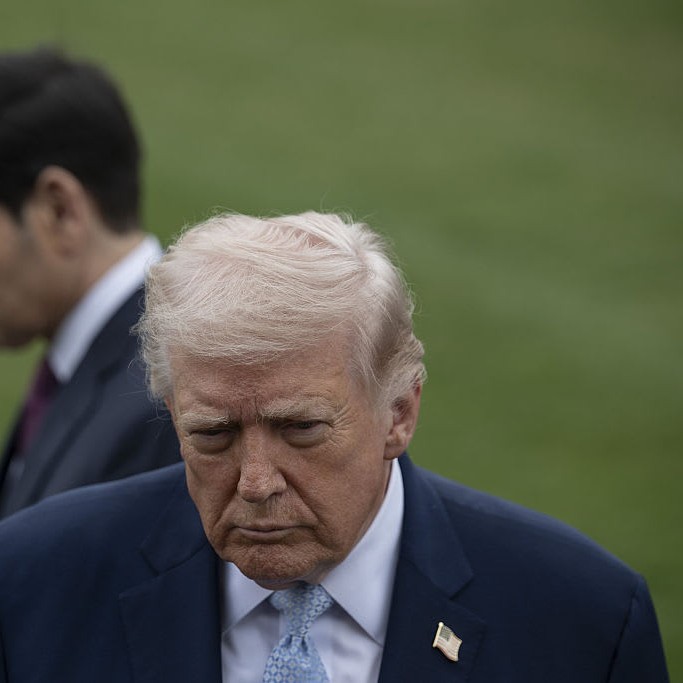
On the U.S. side, President Donald Trump has paired the idea of negotiations with visible pressure, including moving an aircraft carrier and other assets into the Persian Gulf, and floating the possibility of attacks tied to Iran’s internal crackdown or escalation.
On the Iranian side, Tehran has been pushing for a narrow frame. Iran has said it wants talks focused solely on the nuclear program, not on missiles, proxies, or the rest of the region’s long list of grudges and red lines.
That mismatch is not a footnote. It is the negotiation.
If Washington insists the conversation includes ballistic missiles and proxy networks, Iran can label the whole thing regime-change-by-paperwork and walk. If Tehran insists every other file is off-limits, the U.S. can argue a nuclear deal just buys time while the rest of Iran’s security posture stays intact.
Verification Is the Quiet Power Lever
Iranian President Masoud Pezeshkian has insisted Iran is not seeking nuclear weapons and is ready for verification. That is the cleanest talking point in any nuclear standoff because it offers reassurance without conceding capability.
However, the practical reality described in the AP report is messier: the International Atomic Energy Agency has been unable for months to inspect and verify Iran’s nuclear stockpile. When inspectors cannot verify, every side gets to fill the gap with its own narrative.
For Washington and Israel, the inspection gap can be used to justify more pressure, more conditions, and more military preparation. For Tehran, the gap can be used to argue that outside powers are acting on assumptions and political demands, not measurements.
That is why verification is not just a technical line item. It is the currency of credibility, and it is the thing neither side fully controls right now.
Trump’s Nuclear Red Line Collides With the Deal He Quit
One of the core contradictions powering this moment is that the numbers never went away.
Under the 2015 nuclear deal, Iran was allowed limited enrichment, capped at 3.67% purity, and a capped uranium stockpile. That deal was endorsed by the U.N. Security Council in Resolution 2231, which includes the phrase “Endorses the Joint Comprehensive Plan of Action (JCPOA).”
Trump withdrew the U.S. from that agreement in 2018. In a White House statement archived by the Trump White House site, his administration framed the move as ending U.S. participation in an “unacceptable Iran deal.”
Now, the AP report says U.S. officials have maintained Iran can have no enrichment under any deal, while Tehran insists it will not agree to zero enrichment. That is not a small gap. It is a structural impasse, because the old deal required compromise on enrichment, and the new U.S. position, as described, rejects the basic trade.
Meanwhile, the stockpile picture has only gotten harder to sell to skeptics. The AP report cites the IAEA’s last report putting Iran’s stockpile at about 9,870 kilograms, with a fraction enriched to 60%, near weapons-grade levels. Iran is described as the only country enriching to 60% without a declared nuclear weapons program.
The negotiation problem is not just what Iran is doing. It is how any new agreement convinces critics that Iran will not do more.
War, Protests, and a Diplomatic Clock That Keeps Restarting
The June war is not just context. It is a force that changes what each side thinks it can get away with.
The AP report says the June conflict included U.S. bombing of Iranian nuclear sites, and that Iran later acknowledged in November that it halted all uranium enrichment. At the same time, inspectors have been unable to visit bombed sites, which keeps the verification question alive even when Iran claims activity has stopped.
Then came internal unrest. The AP report describes protests that began in late December after Iran’s rial collapsed, spread nationwide, and were met with a crackdown that killed thousands and detained tens of thousands.
That domestic pressure reshuffles incentives. Leaders under internal strain often want sanctions relief, but they also fear looking weak, especially when national security has been on the front page for months.
For Washington, linking diplomacy to internal repression is a way to expand leverage. For Tehran, it is a reason to treat diplomacy as a trap.
Oman and Qatar Are the Middlemen, and That Matters
This story is not only about Washington and Tehran. It is also about who is trusted enough to keep the channel open.
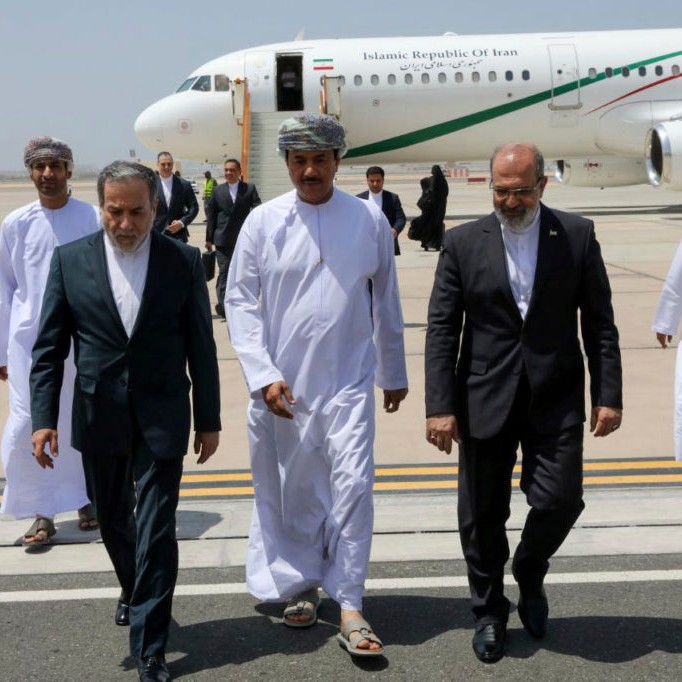
According to the AP report, Oman has mediated previous talks, including discussions involving Iran’s Abbas Araghchi and U.S. envoy Steve Witkoff, at times even face-to-face. The same report says senior Iranian security official Ali Larijani visited Oman and then traveled to Qatar shortly after Trump spoke with Qatar’s emir.
Those travel details are not gossip. They are signaling. When senior figures move through Muscat and Doha, it suggests the conversation is happening somewhere, even if official announcements stay vague.
It also underlines the region’s fear of miscalculation. The AP report notes that Middle East nations worry a collapse in diplomacy could spark a new regional war. That fear is not theoretical when carriers are moving, and memories of June are fresh.
What Each Side Can Sell at Home
Any second round of talks will be shaped by what leaders can credibly claim afterward.
For Trump, the sales pitch is pressure that produces concessions. The AP report says he began this diplomacy by sending a letter to Iran’s Supreme Leader Ayatollah Ali Khamenei on March 5th, 2025, and then publicly acknowledged sending it in a television interview.
For Iran’s leadership, the sales pitch is sovereignty plus relief. Tehran can argue it is negotiating on nuclear issues only, while resisting efforts to bundle missiles and proxies into the same deal.
For Israel, which has argued Iran is pursuing a weapon, the bar is higher. The AP report says Israel wants the nuclear program scrapped and also seeks a halt to ballistic missiles and support for groups such as Hezbollah and Hamas. That position effectively demands a broader security rollback than a nuclear-only agreement would deliver.
Put differently, even if Washington and Tehran found a narrow nuclear compromise, they would still have to manage an ally that sees the nuclear file as inseparable from everything else Iran does.
What to Watch Next
Three pressure points will likely decide whether a second round becomes a real track or another restart that dies on the runway.
- Agenda control: whether the talks stay nuclear-only, as Iran wants, or expand to missiles and proxies, as U.S. concerns suggest
- Verification access: whether inspectors regain the ability to assess stockpiles and visit relevant sites, especially after bomb damage
- Enrichment math: whether either side moves off absolutes like zero enrichment, or 60% enrichment, toward something that can be monitored and enforced
The loudest headline will always be war or peace. The quieter fight is over definitions, inspections, and who gets to claim reality.