

A $10 billion lawsuit is supposed to scare people into settling, apologizing, or disappearing. Instead, President Donald Trump just got something rarer: a court calendar, a two-week trial window, and a judge signaling that the BBC does not get to hit the pause button before the messy part begins.
What You Should Know
A U.S. judge in Florida set a provisional February 15th, 2027, trial date for President Donald Trump’s $10 billion lawsuit against the BBC and rejected the broadcaster’s request to delay discovery while it seeks dismissal for lack of jurisdiction.
The case centers on a BBC documentary, “Trump: A Second Chance?”, and an edit of Trump’s January 6th, 2021, speech. Trump says the splice turned separated remarks into a single, more incendiary-sounding call to action, and he is seeking $5 billion for defamation and $5 billion for unfair trade practices.
A Trial Date Is Not a Verdict, but It Is Leverage
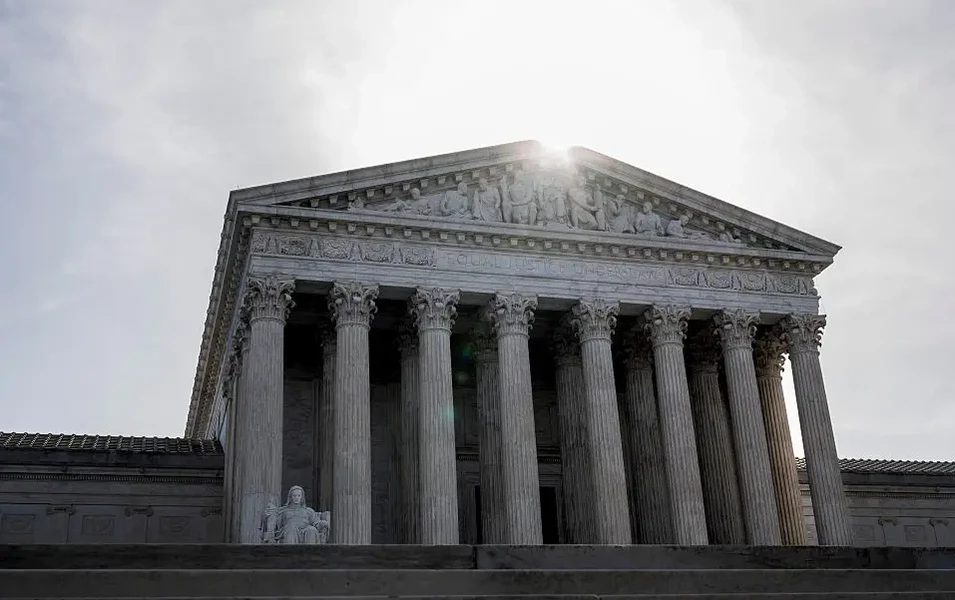
Judge Roy K. Altman, of the U.S. District Court for the Southern District of Florida, set a provisional start date of February 15th, 2027, for a two-week trial, according to an order described by The Associated Press and published by PBS NewsHour. The same order rejected the BBC’s attempt to postpone discovery, the pretrial process where parties must turn over documents, emails, and other materials.
That may sound like inside-baseball procedure, but it is often where the real fight is. Discovery is where a media defendant’s internal debates, editorial judgments, and risk assessments can become exhibits. It is also where a plaintiff, especially a high-profile one, can end up answering uncomfortable questions under oath. Both sides typically claim they are ready for the spotlight until the subpoena schedule shows up.
The BBC’s argument, as laid out in filings described by the AP, was essentially, “Let us ask the judge to throw this out first, and then we will talk about handing over piles of documents.” Judge Altman was not buying the timing, saying the request was premature at this stage of the case.
The Edit at the Center of Trump’s $10 Billion Claim
Trump’s lawsuit, filed in December, targets how the BBC edited his January 6th, 2021, speech, delivered before some supporters stormed the U.S. Capitol during Congress’s certification of President-elect Joe Biden’s 2020 victory. Trump, then and since, has falsely claimed the election was stolen.
The BBC documentary in question aired days before the 2024 U.S. presidential election, and the edit matters because it allegedly changed how viewers could interpret Trump’s tone and instruction. According to the AP account, the program spliced together three quotes from two sections of the speech delivered about an hour apart, making it appear as one continuous quote in which Trump urged supporters to march with him and “fight like hell.”
Among the removed material, the AP reported, was a portion where Trump said he wanted supporters to demonstrate peacefully. That detail is doing a lot of work in the complaint, because a defamation claim often turns on whether an edit created a materially false impression, not whether the underlying words were ever spoken.
The BBC has apologized for the edit. But apology and liability are not the same thing, and the broadcaster has publicly rejected Trump’s defamation claim.
The BBC Is Publicly Funded, and It Already Paid a Price
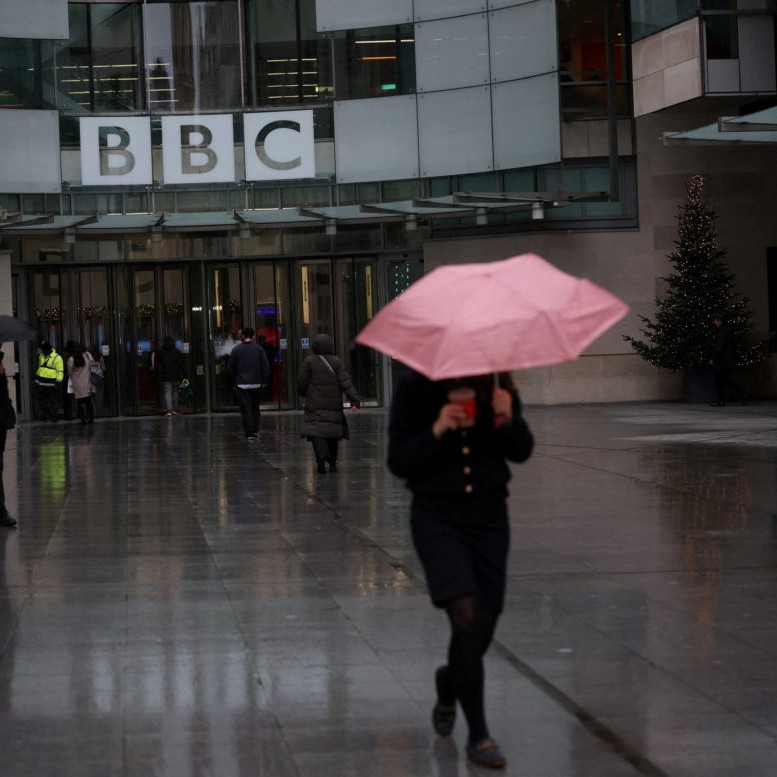
The BBC is not a private cable network that can hide behind a parent company’s legal department and a subscription paywall. It is a publicly funded national broadcaster, which means editorial mistakes are not just newsroom drama. They become political problems, governance problems, and, in this case, leadership problems.
Per the AP report, the furor over the documentary edit triggered the resignations of the BBC’s top executive and its head of news. That is a serious institutional consequence, and it complicates the BBC’s posture in court.
On one hand, the resignations and apology can be read as the broadcaster acknowledging a significant error. On the other, the BBC can argue it already took internal corrective steps, and those steps do not equal admission that Trump was defamed under U.S. law.
Trump’s side, meanwhile, gets to point to the BBC’s own actions as proof that the edit was not a harmless production choice. If you resign the top brass over an edit, a jury might wonder, what exactly was so wrong that people lost their jobs?
The BBC’s Jurisdiction Gambit, Florida vs. London
The BBC has signaled it plans to file a motion to dismiss, arguing the Florida court lacks jurisdiction, according to filings described in the AP story. The basic idea is straightforward: if the program was not broadcast in Florida, why should a Florida federal court be the arena?
This is not a minor procedural squabble. Jurisdiction is power. It dictates which court’s rules apply, which jurors sit in the box, and which subpoenas have bite. It can also decide whether the lawsuit survives at all.
The BBC also contends Trump failed to state a claim, another common route for defendants who want the case tossed before it gets expensive. But the judge’s refusal to halt discovery suggests the court is not inclined, at least yet, to let the BBC freeze the fact-gathering process while it takes its shot at dismissal.
In plain terms, the BBC is telling the court, “We should not be here.” Trump is telling the court, “You are exactly where we should fight this.” The order sets the direction of travel, even if it does not determine the destination.
Discovery Is Where Media Cases Turn Into Email Cases
Defamation lawsuits against major news organizations often hinge on editorial intent, standards, and whether journalists acted with the required state of mind under U.S. law. The BBC’s request to pause discovery, as described by the AP, highlighted what could be at stake: “reams” of emails and other internal materials connected to its Trump coverage.
That phrase, “reams of emails,” is practically a genre. It suggests the BBC expects the discovery demands to be broad and invasive, and it also signals a fear that the internal record might be messy in a way that looks bad outside the newsroom.
For Trump, discovery is a chance to hunt for a narrative of media malice, bias, or corner-cutting that plays well with his supporters and with anyone already skeptical of elite institutions. For the BBC, it is a high-risk exercise in defending editorial judgment without turning its own internal debate into public theater.
Both sides are also dealing with the long fuse: a 2027 trial date. That is far enough out to be politically inconvenient and legally exhausting, and it creates a different kind of leverage. The longer the runway, the more opportunities for interim rulings, settlement talks, and reputational damage that accumulates one motion at a time.
What the BBC Is Saying, and What It Is Not Saying
The BBC has kept its public posture tight. In the AP report carried by PBS NewsHour, the broadcaster offered a brief statement: it is defending itself, and it is not expanding on details.
“We will be defending this case. We are not going to make further comment on ongoing legal proceedings.”
That is standard litigation discipline, but it also leaves a vacuum that the lawsuit itself fills. Trump has made the alleged edit the centerpiece, and the BBC, by declining to litigate in public, is effectively letting court filings and procedural orders do the talking.
There is another silence worth noting: the BBC is not, in that statement, re-litigating the editing decision. It is not re-explaining the documentary. It is not offering an alternate interpretation of how the splice landed with viewers. It is simply saying, in effect, see you in court.
The Stakes: Money, Narrative Control, and a Cross-Border Media Fight
The dollar figure, $10 billion, is the headline bait, but the stakes are more layered than a damages request. If the case survives dismissal and reaches deep discovery, it could expose how a major global broadcaster made editorial calls about Trump in an election-adjacent documentary. That matters because Trump has long framed mainstream media coverage as not merely unfair but structurally corrupted.
It also matters because the underlying event, January 6th, 2021, remains one of the most litigated and politically weaponized dates in modern U.S. politics. How Trump’s words are edited, presented, and remembered is not just a media issue. It is a power issue.
For the BBC, the case tests whether a foreign public broadcaster can be dragged into a U.S. courtroom over an editorial choice tied to an American political crisis. For Trump, it is a chance to put a prestigious institution on defense, in public, with the threat of testimony, discovery, and a jury trial hanging over the brand.
Nothing in the judge’s order says Trump wins. Nothing says the BBC loses. But the court’s refusal to delay discovery changes the cost curve, and in litigation, cost is strategy.
What to Watch Next
The immediate next pressure point is the BBC’s promised motion to dismiss, including its jurisdiction argument. If the court agrees that Florida is the wrong venue, Trump’s case could be narrowed, moved, or dismissed, depending on the reasoning. If the court rejects that argument, the case becomes more than a headline. It becomes a process that pulls people, paper, and decision-making into the open.
Then there is the long calendar. A provisional February 15th, 2027, trial date creates a slow-burn storyline with a lot of interim cliffhangers: discovery fights, protective order battles, disputes over what counts as relevant, and the always-present possibility of settlement once both sides see what the other side can prove.
For now, the main contradiction sits in plain view. The BBC has apologized for the edit, but it rejects the defamation claim. Trump says the edit was damaging enough to justify $10 billion, but he is also committing to the risks of discovery that come with making his own words and conduct part of a court record again.