

Politicians love to talk about Obamacare like it’s a zombie that should have stayed buried. The problem for the repeal crowd is that the law keeps showing up in court records, federal statute books, and IRS guidance, very much alive.
What You Should Know
The Affordable Care Act remains federal law, and the Supreme Court has upheld major pieces of it. Congress later reduced the individual mandate penalty to $0, but that did not repeal the wider law.
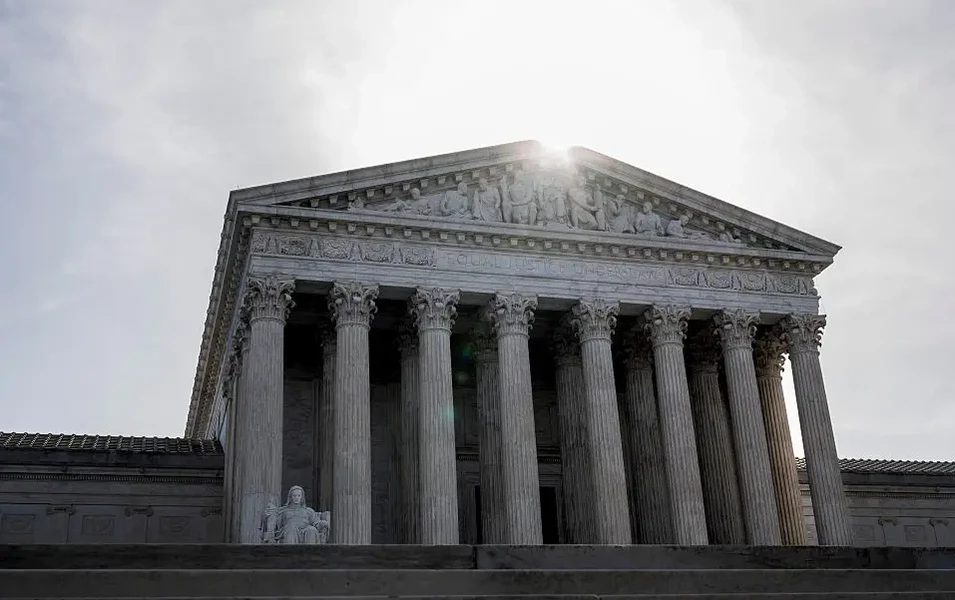
The Affordable Care Act has survived multiple Supreme Court fights, including NFIB v. Sebelius in 2012 and King v. Burwell in 2015. Congress also amended the law through later legislation rather than scrapping it outright.
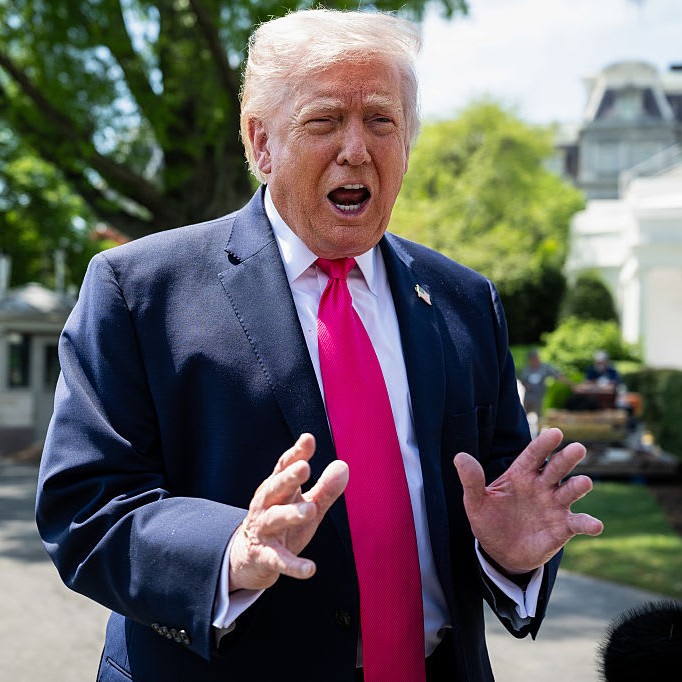
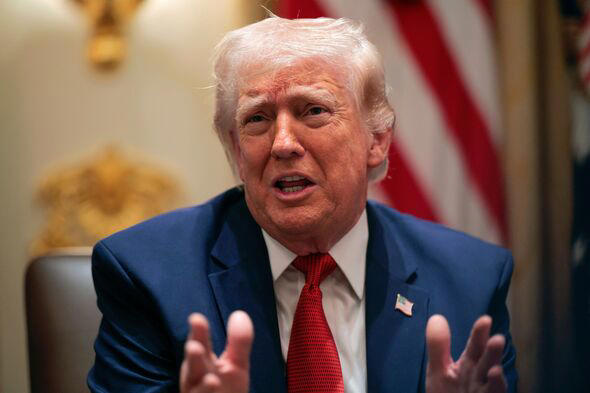
President Donald Trump built a signature promise around repealing and replacing the ACA, a message that still pops up whenever health care becomes a campaign weapon. However, the records that matter most are not rally lines. They are statutes and rulings.
The Legal Receipts Are Still on the Books
Start with the basics: Congress enacted the Affordable Care Act in 2010, and it remains codified federal law. That matters because most of the ACA’s biggest features, from insurance-market rules to subsidy mechanics, are statutory and do not vanish because a politician declares them over.
In King v. Burwell, the Supreme Court protected the law’s premium tax credits that help people afford coverage through the ACA exchanges. The Court’s bottom line was blunt: “We hold that Section 36B allows tax credits for insurance purchased on any Exchange created under the Act.”
Earlier, in NFIB v. Sebelius, the Court upheld the individual mandate as a tax while also narrowing the federal government’s ability to push states on Medicaid expansion. Read together, those cases show a law that got trimmed and argued over, but not erased.
Congress Zeroed the Penalty, Not the Law
The mandate did not disappear by magic, either. The Tax Cuts and Jobs Act, enacted in late 2017, reduced the individual shared responsibility payment to $0 starting in 2019, a change reflected in subsequent federal guidance.
The IRS, which actually administers that penalty, has stated plainly that the payment is “$0 for tax year 2019 and beyond.” That is a political win for anti-mandate lawmakers, but it is also a narrow one. A $0 penalty is not the same thing as a full repeal, and it leaves the rest of the ACA standing unless Congress changes it line by line.
What Comes Next if Power Shifts
If Washington ever gets serious about ending the ACA, the fight will not be rhetorical. It will be a high-stakes legislative and legal brawl over what replaces it, who pays, and which protections survive.