

What You Should Know
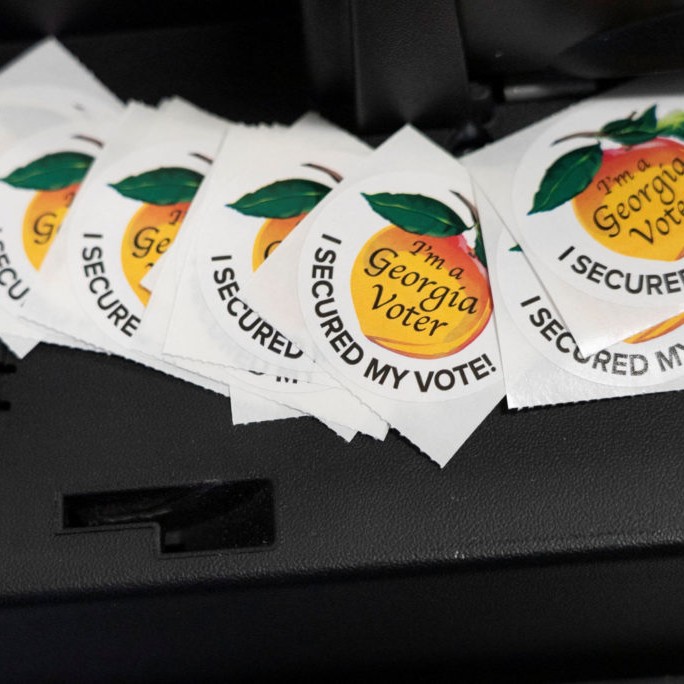
Voters in Georgia’s 14th Congressional District vote in an April 7th, 2026, special runoff between Democrat Shawn Harris and Republican Clay Fuller to replace former Rep. Marjorie Taylor Greene. The winner will serve the rest of Greene’s term amid a closely divided U.S. House.
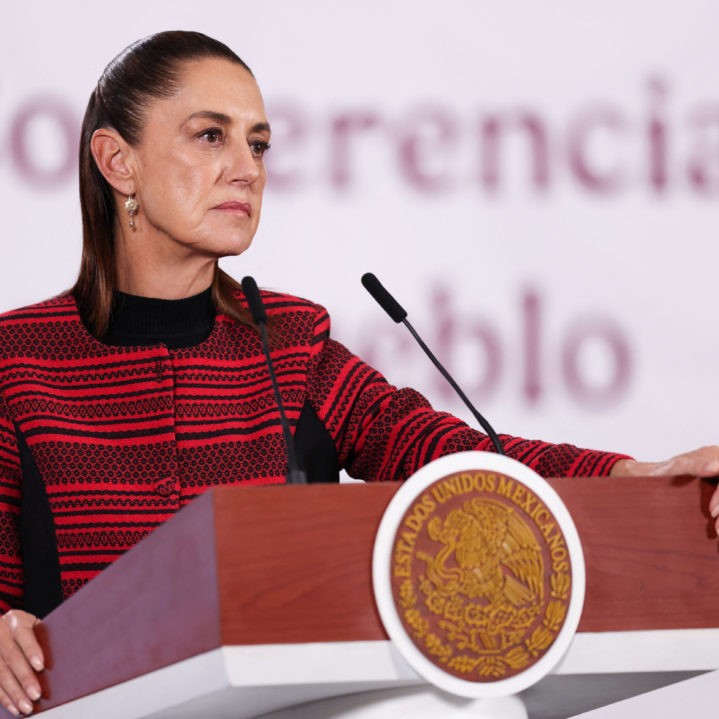
The vacancy exists because Greene, a Republican, resigned after a public rift with President Donald Trump, setting up a compressed, high-stakes contest in northwest Georgia that instantly becomes bigger than one district.
The House Majority Is Thin, and This Seat Hits Fast
According to reporting published by PBS NewsHour, the runoff lands in a House where Republicans hold a 217-214 edge, with additional vacancies and a former Republican now serving as an independent. In that kind of math, even a safe-seat contest can turn into a leadership headache.
The runoff itself is a reset after a March 10th special election featuring 17 candidates. No one cleared 50%, so the top two advanced, which is how a district built for Republican blowouts ended up with a Democrat on top.
That Democrat is Shawn Harris, a retired Army brigadier general who previously lost to Greene in 2024. In March, he finished first, edging Republican Clay Fuller by about 2 points, in part because the Republican vote was split among roughly a dozen GOP candidates.
A Democrat Has the Cash, a Republican Has Trump
Harris enters the runoff with a massive fundraising advantage: $6.4 million raised to about $1.3 million for Fuller, with Harris reporting about $745,000 cash on hand as of March 18th versus about $53,000 for Fuller, according to the same PBS NewsHour report.
Fuller, a district attorney, has what money cannot buy in Republican primaries: Trump’s endorsement. The question is whether that blessing, in a low-turnout runoff, consolidates the same fractured Republican coalition that splintered in March.
The larger contradiction is baked into the district’s recent history. Trump carried the district in 2024 with 68% of the vote, and Greene still carried every county that year, even as Harris has posted incremental improvements and run ahead of the Democratic presidential ticket in county-by-county comparisons.
Turnout, Early Voting, and the Recount Line
Special elections tend to draw fewer voters than general elections, and runoffs shrink the electorate again. PBS NewsHour reported about 116,000 votes were cast in the March 10th special election, and nearly 47,000 ballots had already been cast in the runoff as of the prior Friday.
“The Associated Press does not make projections and will declare a winner only when it’s determined there is no scenario that would allow a trailing candidate to close the gap.”
Georgia also has no automatic recount, though a candidate can request one if the margin is 0.5% or less. Then there is the next timer: both candidates are also chasing their parties’ nominations for a full term in the May 19th, 2026, primary ahead of the November midterms.