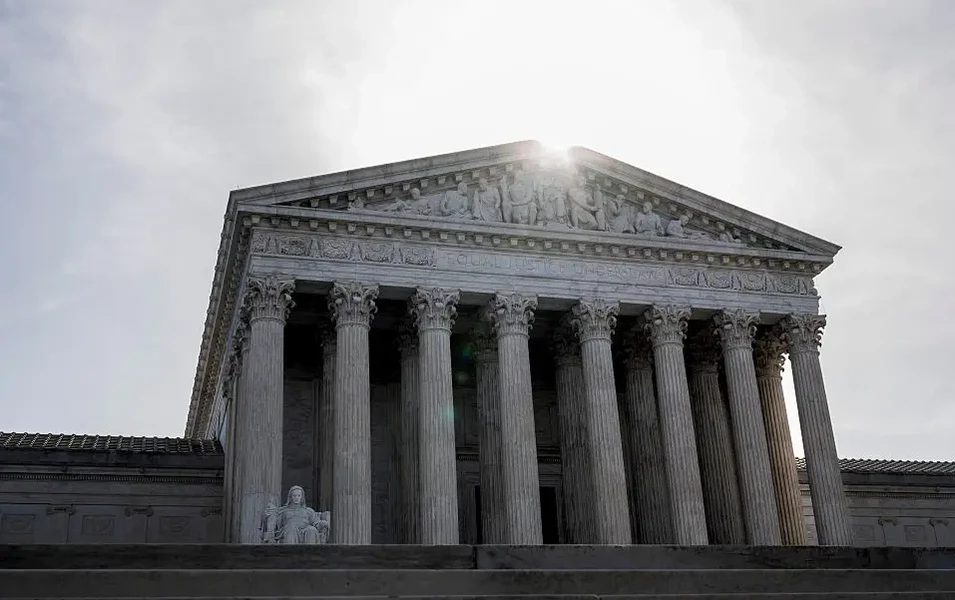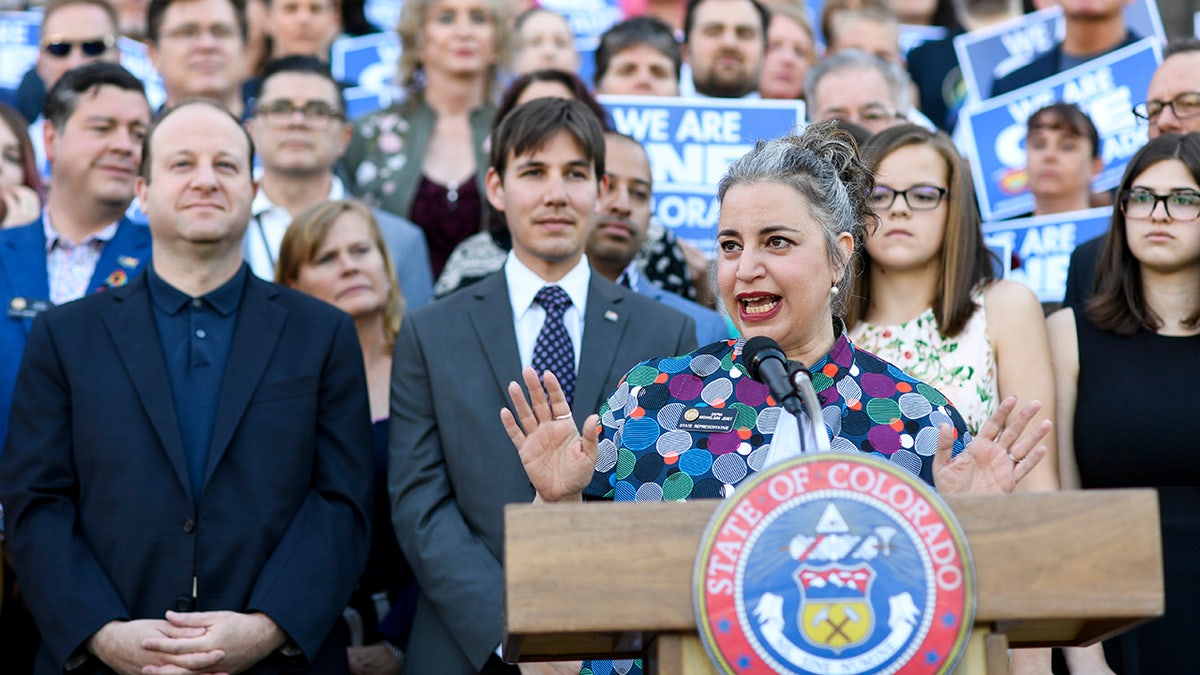
Colorado has a law on the books that says licensed professionals cannot try to change a minor’s sexual orientation or gender identity through conversion therapy. The question now is not just what the state wants, but what the Supreme Court is willing to call it.
What You Should Know
States, including Colorado, restrict licensed professionals from providing conversion therapy to minors. Courts have disagreed over whether those bans regulate professional conduct or restrict speech, a split that repeatedly pulls the Supreme Court into the dispute.
At the center is a power fight between state regulators, who license therapists and write health rules, and clinicians and advocacy groups, who argue those rules cross into viewpoint-based speech restrictions under the First Amendment.
The Court’s Free Speech Hook
For years, conversion therapy litigation has tried to wedge itself into the Supreme Court’s First Amendment doctrine on so-called professional speech. In 2018, the Court warned against creating a special category of speech with weaker protection, writing, “Speech is not unprotected merely because it is uttered by professionals.”
That line, from National Institute of Family and Life Advocates v. Becerra, has become a kind of master key for challengers. If counseling is framed as pure speech, bans look like censorship. If it is framed as medical conduct, bans look like standard licensing rules.
Colorado’s Bet, and the States’ Power
Colorado’s restriction is part of a broader state-level strategy: use licensing boards to police what happens in the exam room and therapy office, especially when minors are involved. Supporters argue that the bans are consumer protection measures, built on the state’s duty to regulate health care and prevent harm.
Opponents counter that the laws do not just regulate a technique. They regulate a topic, and they do it in a way that is hard to miss politically. In the lower courts, similar disputes have produced conflicting outcomes, with some judges treating conversion therapy restrictions as permissible regulation of professional practice and others seeing a First Amendment problem.
What Happens if the Court Takes it
If the Supreme Court decides to take up one of these cases, the consequences run well beyond Colorado. A ruling that treats talk therapy as protected speech could narrow states’ ability to write rules for licensed counseling, and it would hand challengers a template to attack other health regulations that involve communication.
If the Court instead treats these bans as regulation of conduct, states keep the upper hand, and the battlefield shifts back to legislatures and medical boards.
Either way, the next move is not about a single statute. It is about who gets to define the line between medicine and speech, and how much room states have to enforce that definition when the patient is a minor.