In Minneapolis, the argument is no longer just about what happened in seconds. It is about what gets saved, what gets erased, and who gets to tell the story first.
Federal agents shot and killed 37-year-old Alex Jeffrey Pretti in south Minneapolis, a death that quickly became a tug-of-war between an official self-defense claim and videos that, according to reporting, show something else entirely.
A killing in the middle of an enforcement surge
CBS News reported that federal agents shot and killed a 37-year-old man on a Saturday morning amid what it described as “an ongoing surge in immigration enforcement action across the city.”
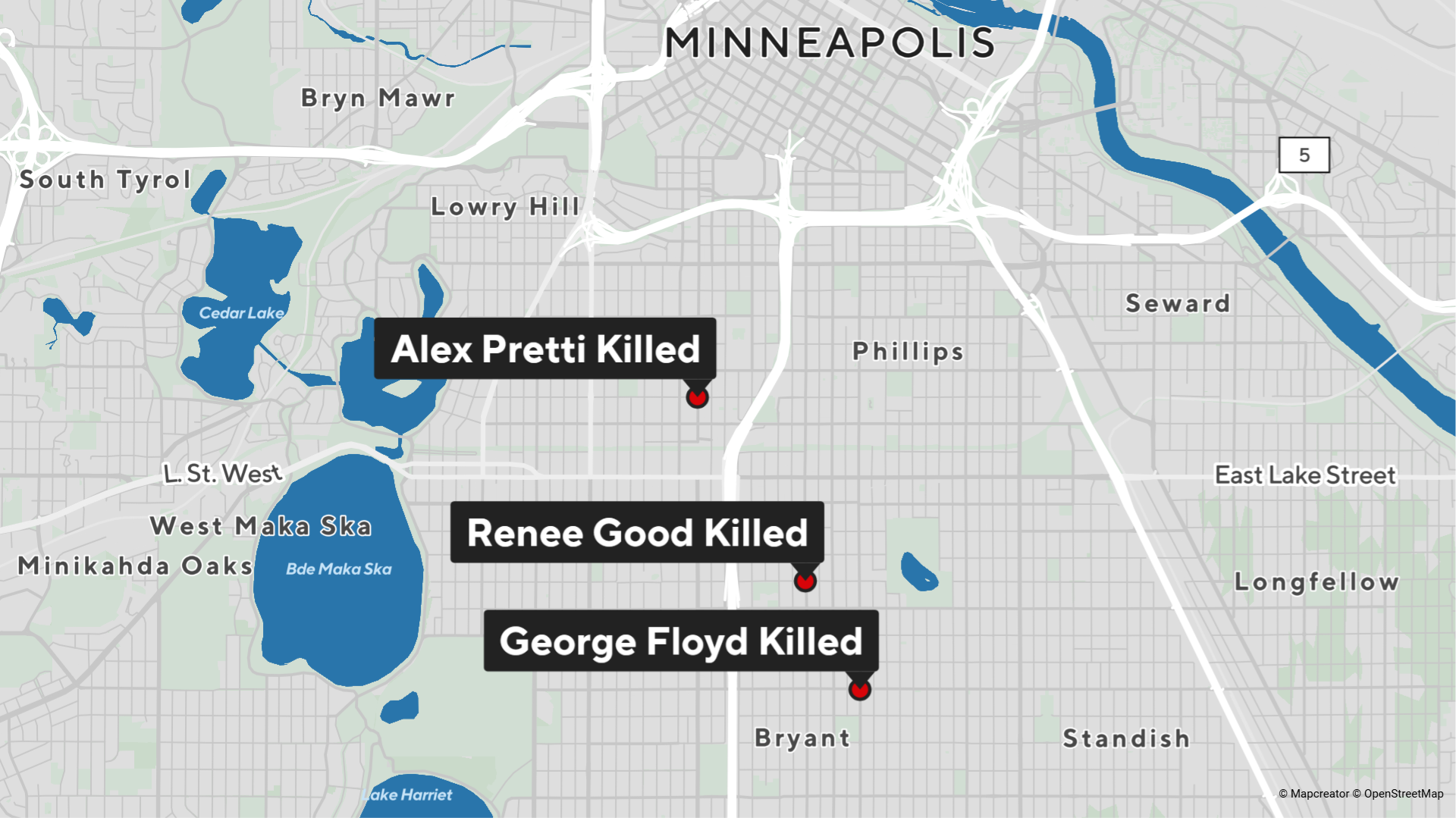
The man was identified as Alex Jeffrey Pretti, an ICU nurse who worked at the Minneapolis VA hospital. According to the same report, he was killed by a Border Patrol agent.
Video emerges of ICU nurse killed by federal agents honoring deceased veteran https://t.co/QrpPKiC0sB pic.twitter.com/4kjmcZCL4s
— The Independent (@Independent) January 26, 2026
That combination of facts has turned the incident into more than a local crime scene. It puts federal enforcement tactics, federal accountability, and state leadership in the same frame, with protesters arriving fast and conflicting narratives arriving faster.
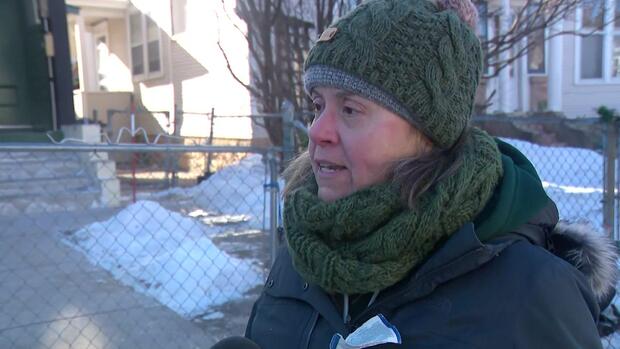
DHS says “in self-defense,” but the governor disputes the account
The Department of Homeland Security said the agent acted “in self-defense” after attempting to disarm Pretti, according to CBS News’ live updates.
Minnesota Gov. Tim Walz, however, said that account was not accurate after reviewing videos of the shooting, CBS reported.
Did Team Trump Lie About Minneapolis Shooting? New Video Sheds Light On Killinghttps://t.co/1w8lJdDtgr pic.twitter.com/x4z2AQ9kDO
— NDTV WORLD (@NDTVWORLD) January 26, 2026
Those two statements create a high-stakes contradiction. If a federal agency describes a self-defense struggle over a weapon, but state leaders say video contradicts that description, the next question becomes obvious and urgent: what exactly do the videos show, and what other evidence exists that could confirm or challenge either version?
The videos, the cellphone, and the detail that will not go away
One detail has come to dominate the public argument. CBS News reported that videos from the scene show Pretti holding a cellphone, not a gun, when he was shot.
If that portrayal holds up under investigation, it collides head-on with the central premise of a disarmament struggle. But even that framing has limits without full access to all footage, angles, and investigative material. Partial video can answer one question while raising three more, including what happened just before the recorded moments and what agents believed they were responding to.
That is why the legal system moved quickly into the story. When disputed facts are trapped inside devices, body-worn cameras, surveillance systems, and agency records, preserving those materials can become the first real battle.
A judge steps in to freeze the evidence
In a rapid escalation, U.S. District Court Judge Eric Tostrud granted a temporary restraining order against the U.S. Department of Homeland Security, barring the department from altering or destroying evidence connected to Pretti’s killing, according to CBS News.
A temporary restraining order is not a finding of fault. It is a legal tool meant to preserve the status quo when the court believes time matters and potential harm could occur before a fuller hearing. In cases like this, the order signals something simple but consequential: the evidence itself is now a central concern, not an afterthought.
It also shifts pressure onto the federal government. Once a judge orders preservation, any later dispute over missing footage, altered files, or delayed production can become its own controversy, separate from the shooting’s initial facts.
Why this incident lands differently in Minneapolis right now
The shooting did not occur in a vacuum. CBS noted it happened less than three weeks after an ICE agent fatally shot Renee Good.
Two fatal shootings tied to federal immigration enforcement in a short span creates a combustible civic backdrop, especially in a city that has already lived through years of national attention on policing, protests, and the credibility gap between official accounts and recorded footage.
For federal agencies, the stakes include more than the outcome of one investigation. It is trust. Every perceived mismatch between an official narrative and what the public sees on video becomes a multiplier. For state leaders, the stakes include protecting residents and responding to anger without jumping ahead of verified facts. For the family and community around the deceased, the stakes are basic and permanent.
What is known, what is claimed, and what is still missing
Here is what is currently on the record from the CBS reporting:
- Pretti, 37, was killed in south Minneapolis by a Border Patrol agent.
- DHS said the agent acted “in self-defense” after attempting to disarm him.
- Gov. Tim Walz said that account was not accurate after reviewing videos.
- Videos from the scene show Pretti holding a cellphone, not a gun, when he was shot.
- A federal judge issued a temporary restraining order barring DHS from altering or destroying evidence connected to the killing.
What is not yet established in the information provided includes details that typically decide how these cases turn out: what agents were doing at that exact location, what precipitated the encounter, whether any warnings were given, what other footage exists beyond the circulated clips, and what investigative agencies conclude after reviewing all evidence.
Those gaps are not minor. They are the whole case. And they are precisely why evidence preservation has become a headline of its own.
What to watch next
As this moves forward, there are a few practical pressure points that will likely shape what the public learns:
- Evidence production and transparency. The restraining order suggests litigation and discovery fights could emerge quickly, especially around video and agency records.
- Official clarifications. DHS and state officials may face questions about what each side has seen and what they are willing to release.
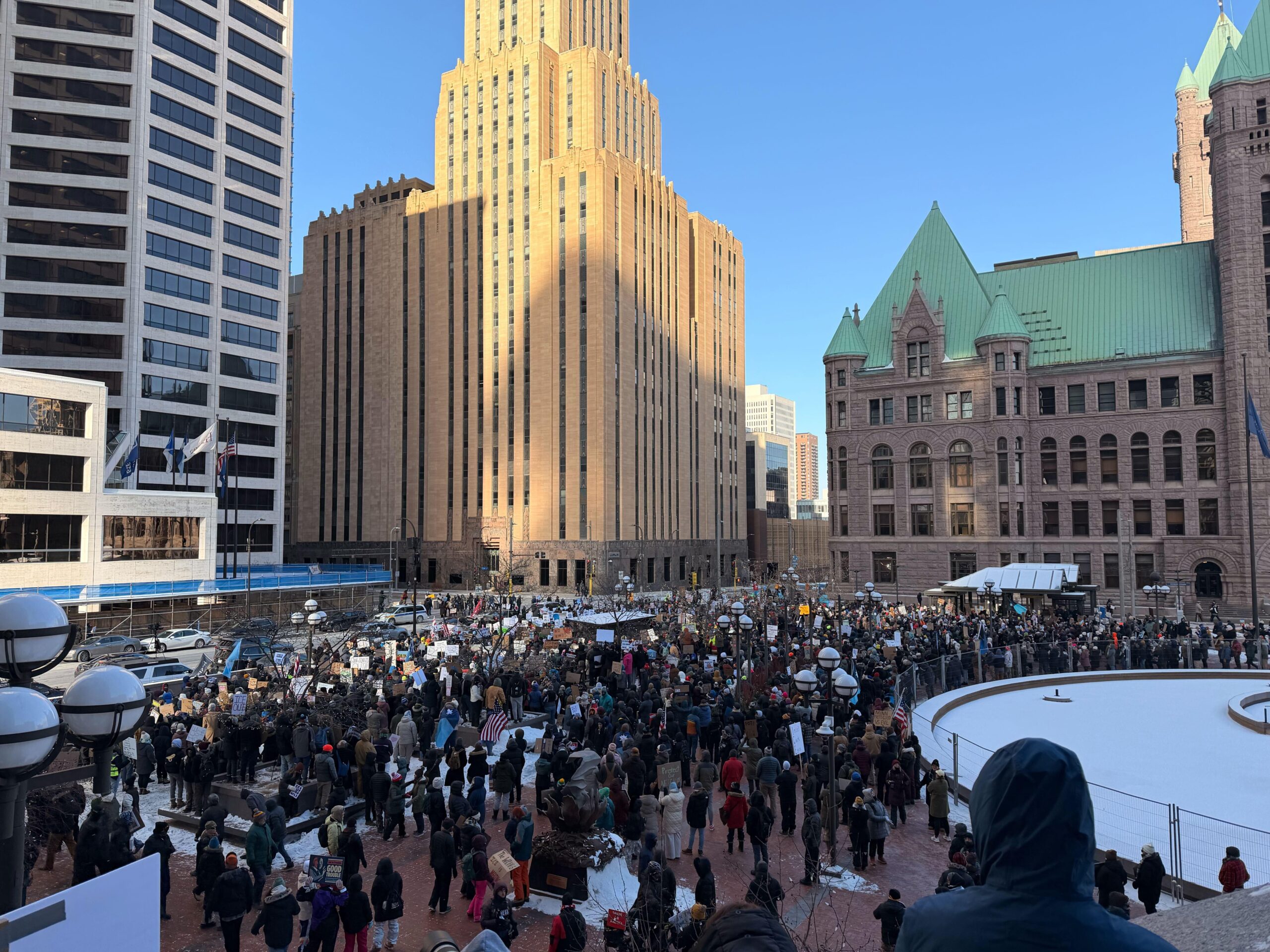
- Public response. Protests are already part of the story, CBS reported, and continued demonstrations can keep attention locked on the federal role.
For now, the most arresting conflict is the simplest. One side says “in self-defense.” Another side points to video and says the story does not match. A judge has effectively said, save everything.
In Minneapolis, that is rarely the end of the argument. It is usually the start.