The government’s first story arrived fast. The videos arrived faster. Now the fight is over which version Americans are supposed to believe about the fatal shooting of Minnesota ICU nurse Alex Pretti: the official account, or what bystanders recorded in real time.
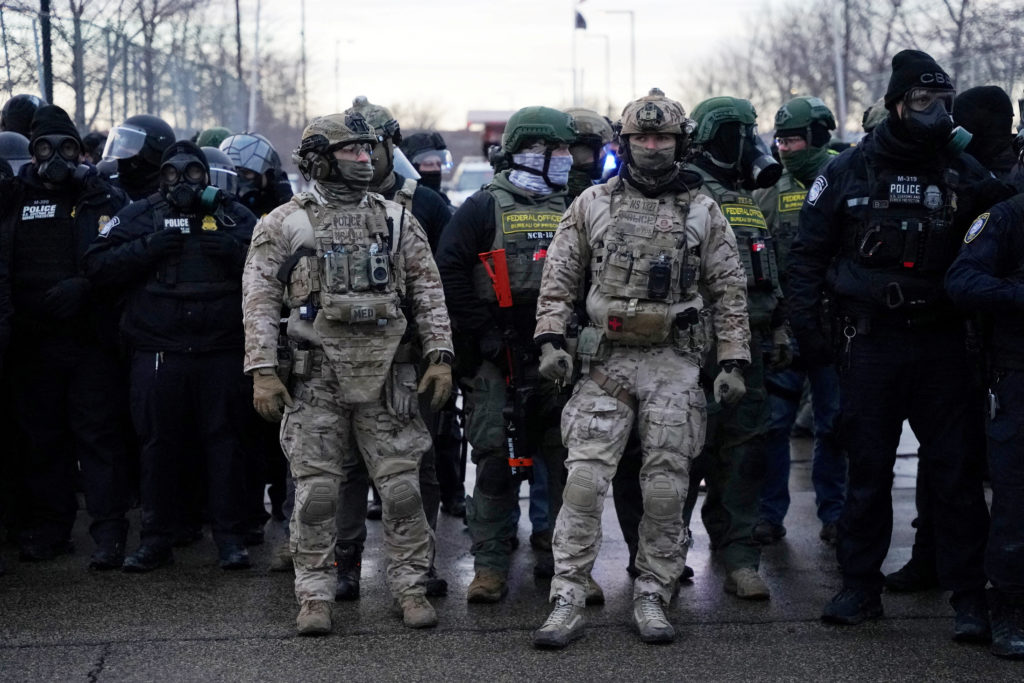
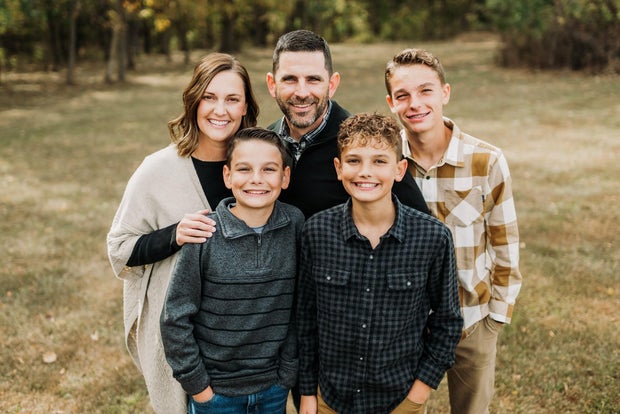
Pretti, 37, was shot and killed in south Minneapolis during a federal law enforcement operation. In the hours that followed, senior officials publicly described him as a violent threat. CBS News reported that multiple bystander videos and sworn witness statements contradict key parts of that narrative, including what Pretti was holding and whether he attacked anyone.
A 9 mm claim, and a phone in his hand
According to CBS News’ visual investigation and reporting, the Department of Homeland Security said in a statement that Pretti “approached US Border Patrol officers with a 9 mm semi-automatic handgun,” and that he “violently resisted” when agents tried to disarm him.
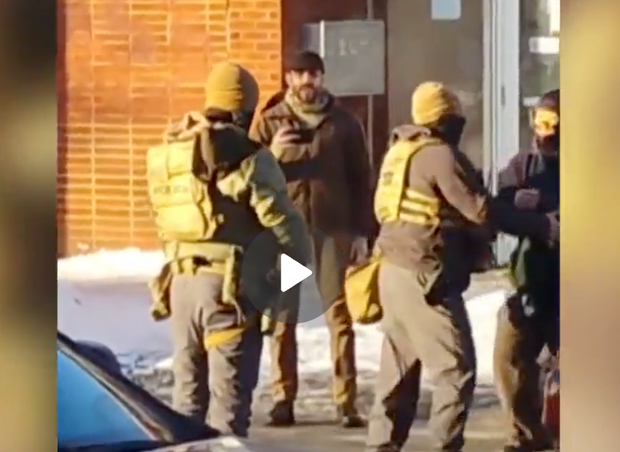
But CBS News said it reviewed bystander video showing Pretti holding a cellphone, not a gun, immediately before he was shoved to the ground. In that same sequence, officers are seen forcing him down. An officer in gray is then seen pulling a gun from Pretti’s waist and moving away with it. CBS reported the first shot is heard about a second later.
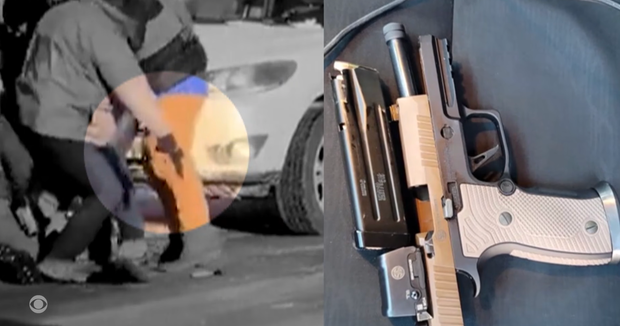
That distinction is not trivia. It goes to the central question that follows any police shooting: what threat existed at the moment force was used.
Officials described an “attack.” Witnesses described a takedown
After the shooting, top officials escalated the language. CBS reported DHS Secretary Kristi Noem said Pretti “attacked those officers” and suggested he came “wishing to inflict harm.” Border Patrol chief Greg Bovino described it as a situation where a person wanted “to do maximum damage and massacre law enforcement.”
FBI Director Kash Patel echoed that theme on television. CBS quoted Patel saying: “You do not get to attack law enforcement officials in this country without any repercussions.”
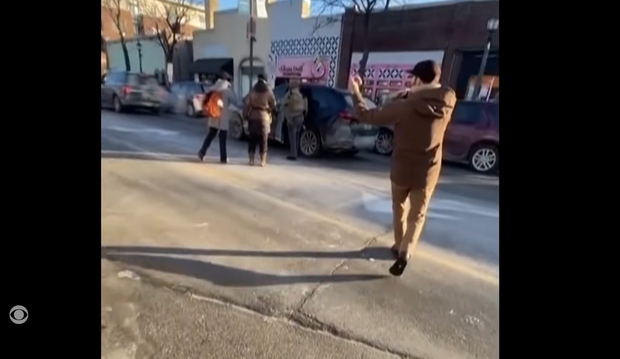
The videos CBS described show something different before the physical struggle: Pretti directing traffic and not interacting with federal officers until a woman nearby was knocked down by an officer. CBS reported that when Pretti moved to help her up, an officer sprayed him with a chemical irritant. Then, multiple officers surrounded him and dragged him to the ground.
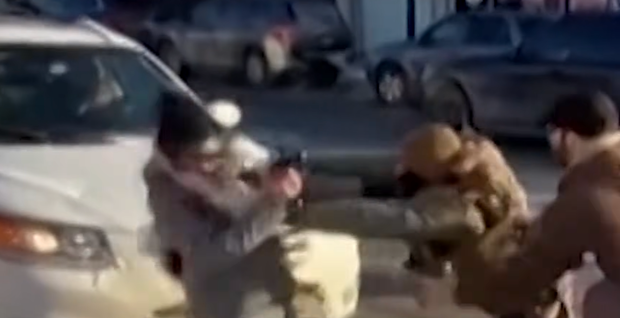
Two witnesses submitted sworn statements that CBS reported on. One said Pretti appeared to be helping the woman, not fighting officers. Another said she did not see him attack agents or brandish a weapon, and described “absolutely no need for any violence, let alone lethal force by multiple officers.”
“Immediate aid” is an official line. A doctor disputed it
DHS also asserted that “Medics on scene immediately delivered medical aid to the subject,” according to CBS.
A pediatrician who rushed over after hearing gunfire reportedly disputed that description in a court declaration. She said, “None of the ICE agents who were near the victim were performing CPR.” Instead, she said the “victim was lying on his side and was surrounded by several ICE agents” who “appeared to be counting his bullet wounds,” CBS reported.
If that declaration holds up, it creates another credibility problem. Agencies regularly ask the public to take their word for what happened in rapidly evolving encounters. A claim about immediate medical aid is supposed to be among the easier details to confirm.
The White House label: “would-be assassin” and “domestic terrorist”
In the hours after the killing, the rhetoric went beyond “resisted arrest.” CBS reported White House Deputy Chief of Staff Stephen Miller described Pretti in a post as “a would-be assassin” who “tried to murder federal law enforcement.”
CBS also reported Miller called Pretti a “domestic terrorist,” a term DHS Secretary Noem also used, accusing Pretti of ideological violence.
Those labels can harden into public memory even if later evidence complicates the picture. They also create pressure on investigators, prosecutors, and agencies themselves. Once a dead man is branded a terrorist by top officials, any subsequent finding that he did not initiate violence raises a brutal question: was the public messaging meant to inform, or to preemptively justify?
Video emerges of ICU nurse killed by federal agents honoring deceased veteran https://t.co/QrpPKiC0sB pic.twitter.com/4kjmcZCL4s
— The Independent (@Independent) January 26, 2026
The gun question everyone keeps circling
Even in CBS’ description of the videos, there is a critical fact that complicates the story. A gun is shown being removed from Pretti’s waist, and DHS said he approached officers with a handgun. CBS’ reporting emphasizes that videos show Pretti holding a phone in his hands before he was taken down, and witnesses said they did not see him brandish a weapon.
Legally, having a gun on your person is not the same as pointing it at someone. Minnesota law allows public carry with a permit. The state’s permit-to-carry statute is laid out in Minnesota Statutes section 624.714.
CBS reported local officials described Pretti as a lawful gun owner with a permit to carry. CBS also reported Pretti had no criminal record.
This is the hinge point where two arguments collide. Federal officials framed him as someone arriving to kill. CBS’ video review and witness statements depict him as filming and reacting to a woman being knocked down, with a firearm still holstered until officers pulled it during the struggle.
Why this case is bigger than one street corner
In a vacuum, this is a dispute about seconds. Who moved first, who grabbed what, who posed an imminent threat. But the stakes are larger because the confrontation involved federal agents, not a local patrol unit, and because senior officials publicly amplified a narrative before the public had access to the footage.
That creates three parallel battlegrounds at once.
First is the factual one: what the videos show, what witnesses say under oath, what forensic evidence and autopsy details eventually document, and what internal reports record.
Second is the accountability one: who investigates a fatal shooting involving federal agents, what agency or inspector general takes the lead, and what transparency the public gets about findings.
Third is the narrative one: whether official statements are treated as evidence, or as opening bids.
CBS’ reporting is blunt about the mismatch. It describes top officials making claims “without providing evidence” that conflict with video and witness testimony. That is not just a political problem. It is an operational one for any agency that needs public cooperation and trust.
Did Team Trump Lie About Minneapolis Shooting? New Video Sheds Light On Killinghttps://t.co/1w8lJdDtgr pic.twitter.com/x4z2AQ9kDO
— NDTV WORLD (@NDTVWORLD) January 26, 2026
What to watch next
The case now sits at the intersection of body-camera policy, federal use-of-force standards, and the accelerating habit of officials filling the information vacuum with the most damning labels available.
As more records emerge, the next questions are straightforward and unforgiving. What did agents know about Pretti before the encounter, if anything. What commands were given, and when. Whether the shooting is deemed justified under use-of-force rules. And whether any part of the early official narrative is corrected, quietly revised, or defended to the end.
For now, the public has two competing storyboards. One says “assassin.” The other shows a phone, a takedown, a gun removed from a waistband, and shots a moment later. CBS put the contradiction in one line by letting the footage speak. The government’s version is still waiting to match it.