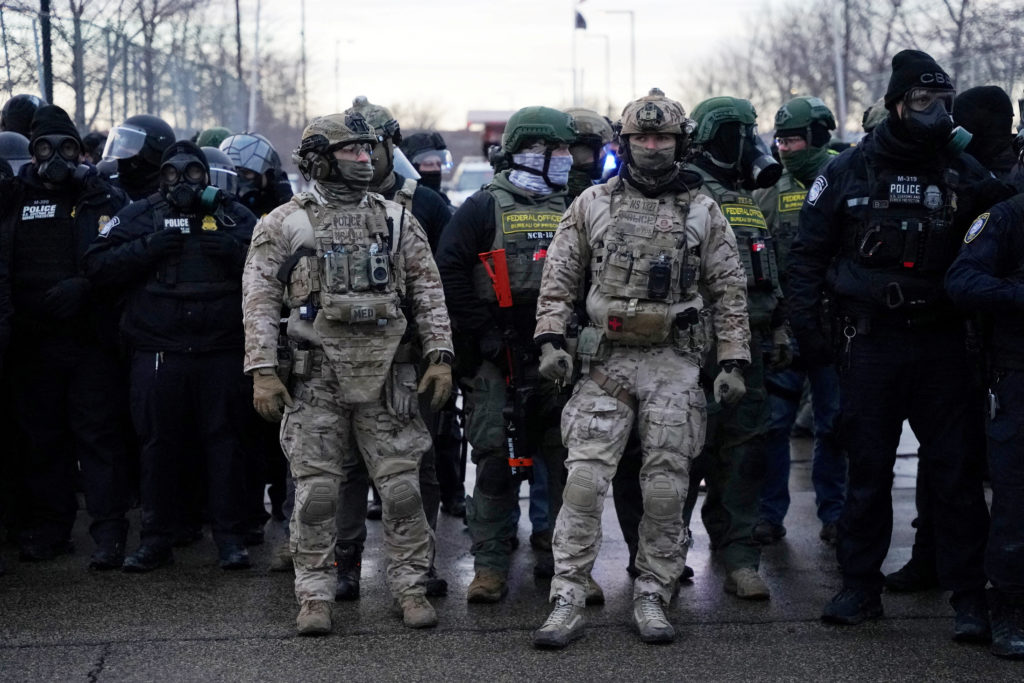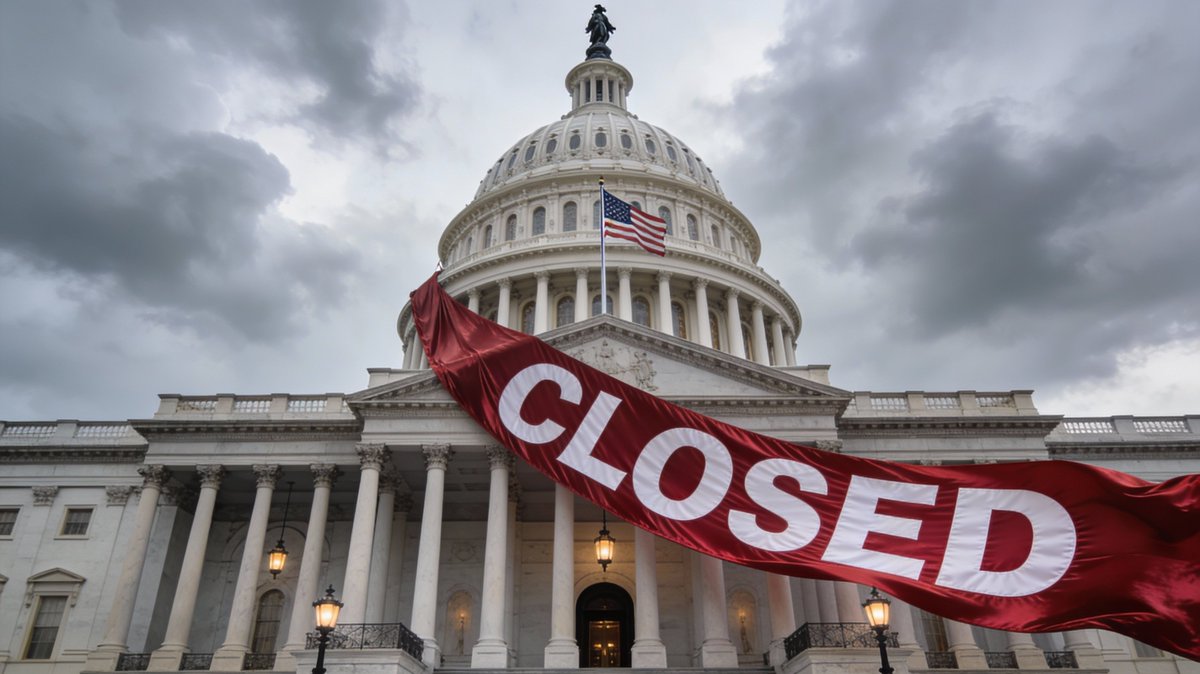
A single shooting in Minneapolis is now being treated like a budget line item in Washington. That is the point. Democratic leaders are openly floating a hardball move: no money for the Department of Homeland Security unless Immigration and Customs Enforcement changes how it operates.
It is the kind of threat that reads simple on TV and gets complicated the moment you run it through Congress’ machinery. DHS does not just mean ICE. It is also the Secret Service, the Coast Guard, TSA, FEMA, and the rest of the security state that no party wants blamed for a shutdown.
The political question is whether Democrats are trying to force reforms or trying to force a choice. Because in a funding fight, everyone eventually has to pick what they can live without.
A Shooting, Then a Funding Threat
PBS NewsHour framed the new clash as direct fallout from a deadly incident tied to the Trump administration’s immigration operation. The program reported that Democratic leaders are prepared to block DHS funding until there are reforms to ICE operations.
Traders see 80% chance of US gov shutdown Saturday
Democrats block DHS funding after ICE shooting in Minneapolis. Deadline January 30 is close. Storm cuts negotiation time.
– Democrats block DHS funding
• Senate Democrats refuse to vote for DHS without ICE reforms
•… pic.twitter.com/zumf3avUkB— Gustaffson Kotte (@gustaffsonkotte) January 27, 2026
The critical word in that sentence is potentially. DHS funding fights rarely stay neatly inside one agency. DHS money is typically wrapped into the broader annual appropriations cycle or continuing resolutions that keep the government running. If lawmakers decide to use DHS as leverage, they are also flirting with spillover, including deadline brinkmanship that can drag other departments into the blast radius.
The Power Play: ICE Reform Through the Appropriations Lever
Democrats have two fundamental levers over ICE: oversight and appropriations. Oversight produces hearings, audits, and headlines. Appropriations produce operational pain, or at least the credible threat of it.
That is why a threat of a funding freeze matters even before a single vote is cast. If leadership convinces the White House and DHS that the votes are not there, DHS begins planning in the face of uncertainty. Contractors get nervous. Hiring slows. Internal contingency plans start running. The posture alone can change behavior.
But the threat also comes with a built-in vulnerability. DHS is not a boutique agency that can be isolated without consequences. If funding lapses or is restricted, Democrats can quickly find themselves defending disruptions at airports, delayed disaster aid logistics, or any security-related incident that the opposition can connect, fairly or not, to political brinkmanship.
Republicans Get a Clean Attack Line
PBS NewsHour teased the next beat with a familiar setup: “Let’s start with Republicans.” That is where the messaging war usually begins, and where it gets predictable fast.
Republicans do not need to win the legislative argument to win the public argument. They can frame the Democratic threat as an attempt to “defund” security agencies. This label has repeatedly proven sticky, even when the underlying policy details are narrower than the slogan.
And they can do it while publicly refusing to separate ICE from DHS, even if they are happy to do so behind closed doors when negotiating line items. The contradiction is not a bug. It is an advantage. DHS is big enough that opponents can find a sympathetic face to attach to any funding risk, from uniformed officers to airport screening to disaster response.
Democrats’ Tightrope: Reform Demands vs. Collateral Damage
Democrats, meanwhile, have to thread a political needle. They want to be seen as responding forcefully to a deadly incident tied to immigration enforcement. They also do not want to be blamed for destabilizing the security agencies that protect federal facilities, guard the coastline, and screen passengers.
That is why the phrasing matters. “Block DHS funding” lands differently than “condition ICE funding.” The first sounds like a shutdown tactic. The second sounds like targeted oversight using Congress’ most constitutional power: the power of the purse.
The challenge is that appropriations are not a surgical tool in practice. Even when lawmakers try to target a single component, the vote often becomes a proxy referendum on the entire immigration system, along with whatever unrelated disputes are riding on the same must-pass bill.
What Counts as ICE ‘Reform’ in a Funding Fight?
Right now, the public-facing message is broad: reforms to ICE operations. That ambiguity can be helpful at the start of a standoff because it keeps a coalition together. It can also become a trap when negotiators have to define terms that actually fit within the legislative text.
In an appropriations context, “reforms” could mean multiple things, including:
- New reporting requirements, including incident reporting to Congress, tied to enforcement actions.
- Limits on specific operational tactics, expressed as funding restrictions.
- Policy directives tied to training, coordination, or supervision.
- Independent reviews and audits with deadlines and mandatory publication requirements.
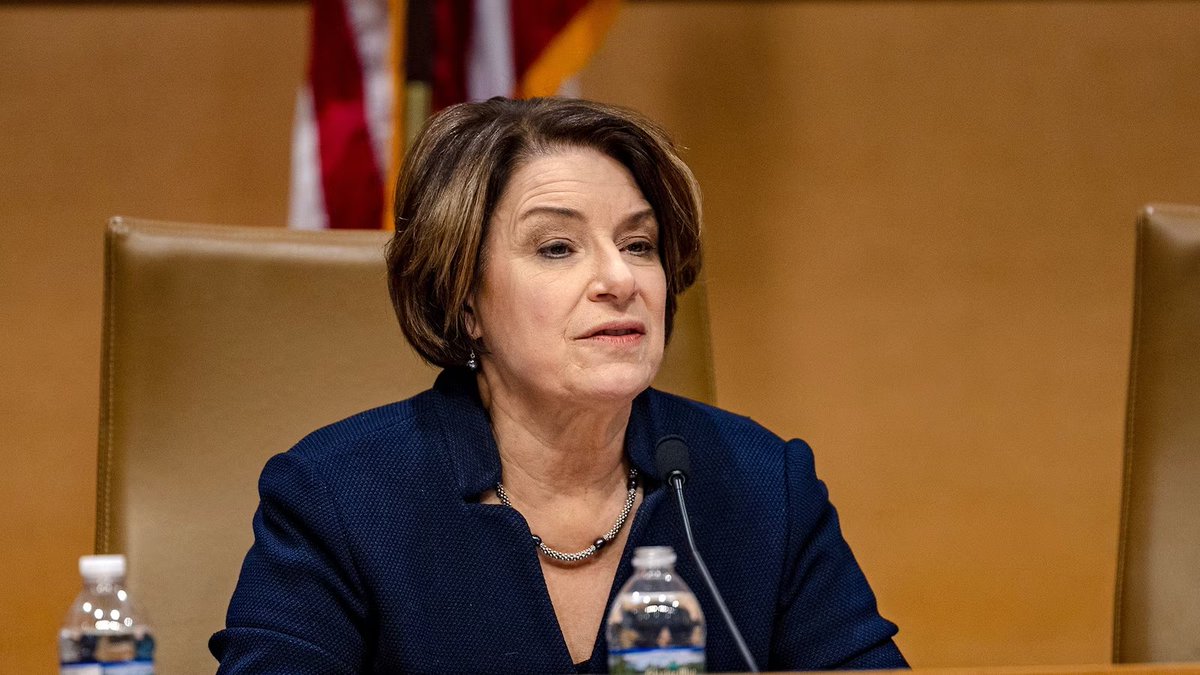
Sen. Amy Klobuchar joins calls to block DHS funding following a second fatal ICE shooting in Minneapolis in less than a month. Democrats are demanding accountability and major reforms to federal law enforcement operations#Minneapolis #DHS #ICE #BreakingNews pic.twitter.com/RLSY4FuPbi
— The Skeptic’s Compass (@SkepticsCompass) January 25, 2026
Each option creates different political exposure. The more specific Democrats get, the easier it becomes for Republicans to argue that the restrictions could hamper enforcement. The more vague Democrats stay, the easier it becomes for Republicans to call the threat performative.
The Real Stakes: Deadlines, Shutdown Math, and Blame
Funding threats are not press releases. They are math problems. DHS funding is ultimately decided by vote counts, Senate rules, and the willingness of leadership to let a deadline hit.
Even if Democrats have enough votes to stall a bill, the endgame often comes down to who blinks first and who gets tagged with the consequences. Shutdown politics is less about who is right and more about who the public believes is responsible for the disruption.
That blame game is why both parties tend to talk in absolutes, then negotiate in increments. Lawmakers may posture about blocking all DHS money, then quietly pivot toward narrower conditions. Or they may start with conditions and end with a clean funding extension if leadership decides the optics of chaos are worse than the optics of compromise.
What to Watch Next
If Democrats are serious about using DHS funding as leverage, two signals will matter more than cable-news vows.
- Specificity: Do Democrats define the reforms they want in a way that can be written into appropriations language, or do they keep it rhetorical?
- Scope: Do they narrow the target to ICE, or do they continue to treat DHS as a single pressure point?
- Timeline: Do leaders tie the threat to an actual funding deadline, or is the fight positioned as an open-ended standoff?
For Republicans, the tell will be whether they engage on ICE policy details at all, or whether they keep the debate at the level of a single accusation: Democrats are trying to block security funding.
Either way, the dynamic is set. A deadly incident becomes a legislative weapon. A sprawling agency becomes a hostage to a narrower argument. And the next move is not just about immigration. It is about who controls the terms of the fight when public safety, enforcement power, and budget deadlines collide.