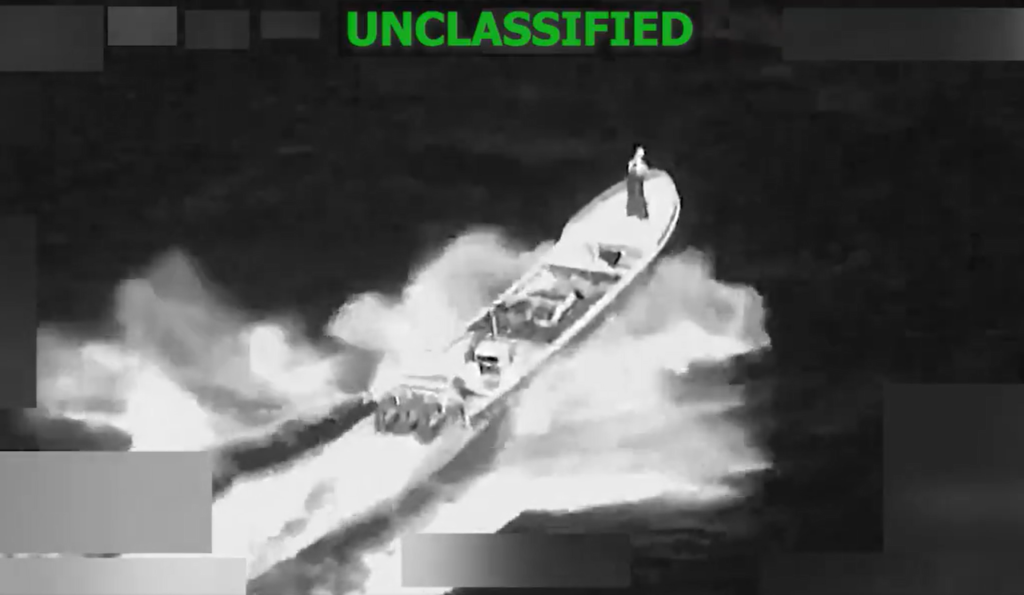
The U.S. government says it just blew up an alleged drug-smuggling boat in the eastern Pacific. Two people died, one survived, and the most visible evidence is a video clip that ends in flames. The bigger question is what this strike is really signaling now that Nicolas Maduro is in U.S. custody.
On January 23, 2026, the U.S. military announced what it called the first known strike on an alleged narco-trafficking vessel since the early January raid that captured the Venezuelan leader and flew him to New York to face federal drug trafficking charges. That one operation pulled a head of state into a courtroom story. This one pulls the same storyline back out to sea.
U.S. Southern Command said the targeted boat was “engaged in narco-trafficking operations” and that the strike killed two people and left one survivor. The command said it notified the U.S. Coast Guard to launch search-and-rescue operations for that person.
A Boat Strike, a Body Count, and a Video That Does Not Answer the Key Question
What the public got was a short, high-drama clip: a vessel moving through open water, then an explosion. What the public did not get was the piece that matters most in a lethal use-of-force announcement, the specific basis for identifying that particular boat as a drug-trafficking target at that moment.
That gap is not a small one, because the pace and lethality of these maritime strikes have become a political talking point as much as a security operation. According to the Associated Press report published by PBS News, this latest attack brings the tally to 36 known strikes against alleged drug-smuggling boats in South American waters since early September, with at least 117 people killed. The AP report notes most of those strikes were in the Caribbean Sea, with this one in the eastern Pacific.
The numbers create their own pressure. If the campaign is working, the administration has a reason to tout it. If the campaign is widening, critics have an opening to ask what rules, oversight, and evidence standards are being applied when the U.S. military is killing suspected smugglers at sea.
The Maduro Capture Changed the Stakes, Not Just the Headlines
The strike lands in a landscape already rearranged by the January 3 operation in Caracas that led to Maduro’s capture, along with his wife, and their transfer to New York to face federal drug trafficking charges, according to the AP report.
For Washington, that raid looked like a message: the U.S. is not just sanctioning Venezuelan officials and squeezing oil-linked networks. It is physically taking the alleged target off the board and putting him in the U.S. legal system.
For Caracas, Maduro had framed U.S. military operations as a pretext for regime change before he was captured, according to the same AP report. That claim has a ready audience outside the United States, because the difference between counternarcotics enforcement and political warfare often comes down to facts governments keep classified and opponents treat as proof of conspiracy.
Trump Says the Sea Lanes Are Sealed, While Strikes Keep Coming
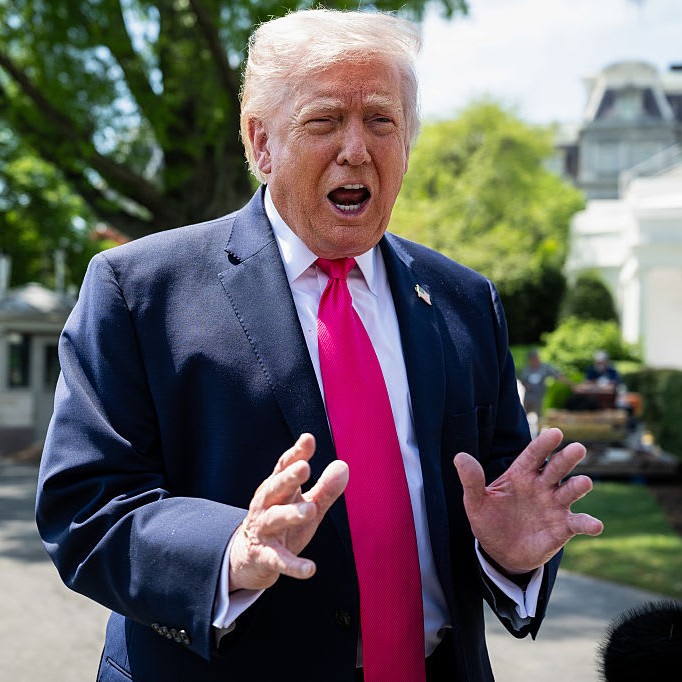
President Donald Trump has repeatedly presented the strikes as a near-total chokehold on maritime drug routes in the Caribbean and the eastern Pacific, the AP report said. The message is simple: hit boats, stop flow, declare victory.
But the ongoing cadence of strikes cuts two ways. If maritime smuggling has been “virtually stopped,” the need for repeated lethal engagements suggests either traffickers are still testing the routes, or U.S. forces are casting a wider net, or both. The AP report does not describe the intelligence underpinning this specific strike, and Southern Command’s public statement is limited.
That is the contradiction built into the administration’s optics. The White House wants the public to see an effective clampdown. The public, meanwhile, gets an expanding scoreboard of strikes and deaths, plus video clips that show the moment of impact but not the alleged criminal conduct.
What We Know About the Recent Pattern at Sea
The AP report lays out a recent surge of activity that has turned boat interdiction into a running narrative: late December saw five reported strikes over two days that killed a total of eight people, with others jumping overboard. Days later, the U.S. Coast Guard suspended its search, according to the report.
Those details matter because they highlight what happens after the explosion. Strikes can end fast on video, but the aftermath can include survivors in the water, missing bodies, and search decisions that are hard to second-guess from outside the chain of command.
They also matter because the operation is no longer just about drugs. The AP report says the U.S. military has lately focused on seizing sanctioned oil tankers with connections to Venezuela since the Trump administration launched the raid to capture Maduro. In other words, counternarcotics, sanctions enforcement, and Venezuela policy are now braided together in a single maritime campaign.
The Power Dynamic: Who Gets Labeled a Trafficker, and Who Gets a Court Date?
The latest strike underscores a blunt power divide. Maduro is slated to face charges in New York, inside a legal process with lawyers, judges, and an evidentiary record. The people on a small boat do not get that. They get identified as alleged traffickers by the U.S. military, and the outcome can be fatal in seconds.
That divide is not automatically unjust, and it is not automatically just. It is simply the reality of how states apply force. The operational logic is deterrence and disruption. The political risk is that secrecy and speed can look like impunity, especially when the public record is limited to a short statement and a clip of an explosion.
Southern Command’s wording is carefully legalistic and short on detail, which is typical for active operations. Still, the absence of publicly released specifics invites questions about verification, proportionality, and what independent oversight exists beyond the executive branch.
What to Watch Next
Three storylines now run in parallel.
First, the pace of strikes. The AP tally cited by PBS suggests a sustained operational rhythm since early September. If that tempo continues, the administration will keep pointing to disruption. Critics will keep pointing to casualties and the thin public record behind target selection.
Second, the legal case in New York. Maduro’s presence in U.S. custody makes every maritime action around Venezuela’s networks look less like abstract enforcement and more like a campaign with a named political target.
Third, the receipts. If the government wants the public to treat these strikes as clean counternarcotics operations rather than a political show of force, it will face pressure to share more than explosions, even if it cannot share everything.