

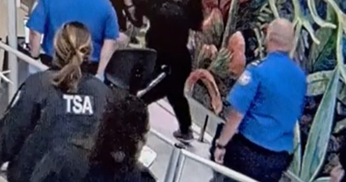
The airport line is not supposed to be a bargaining chip. However, during a partial government shutdown, it started looking like one, as TSA officers worked checkpoints after missing a full paycheck.
What You Should Know
A funding lapse left many TSA employees without a full paycheck, and airports reported longer waits as call-outs rose. Airlines, lawmakers, and the White House publicly pushed for action while blaming the other side for the stalemate.
The core tension is simple, and it is not subtle. Washington argued over immigration and DHS funding, and the Transportation Security Administration, which screens millions of passengers, became a real-world stress test for how long essential workers can absorb a $0 payday.
The $0 Paycheck Meets the Checkpoint
According to CBS News, TSA employees missed their first full paycheck during the funding lapse. CBS also reported that more than 300 TSA employees quit after the shutdown began and that call-out rates more than doubled, based on data obtained by the network.
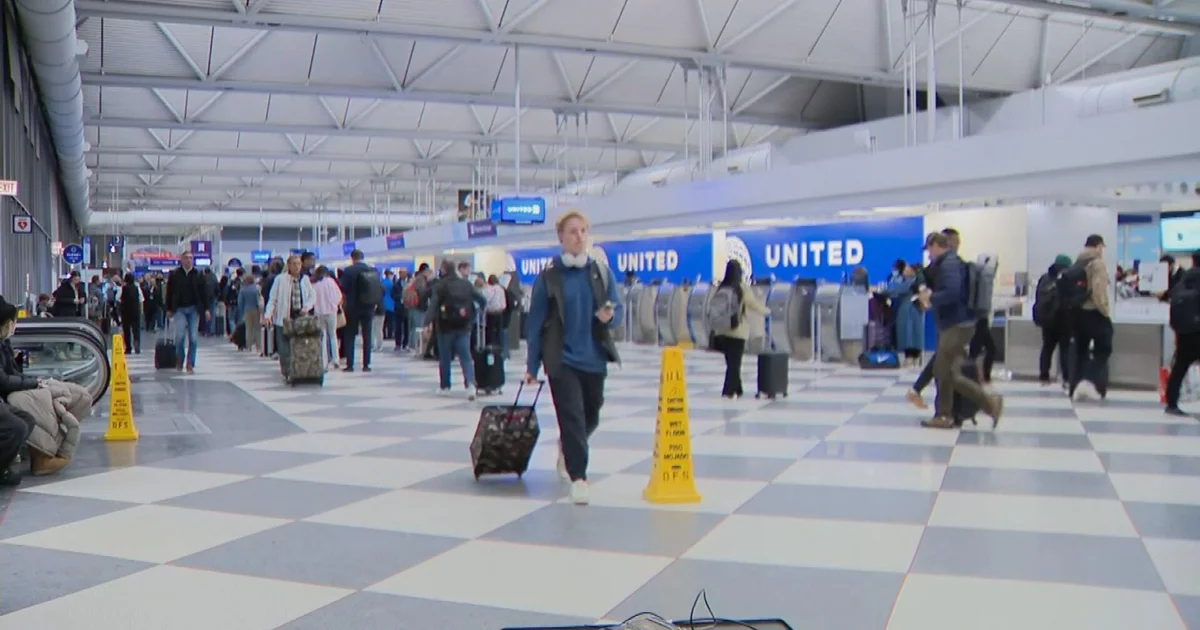
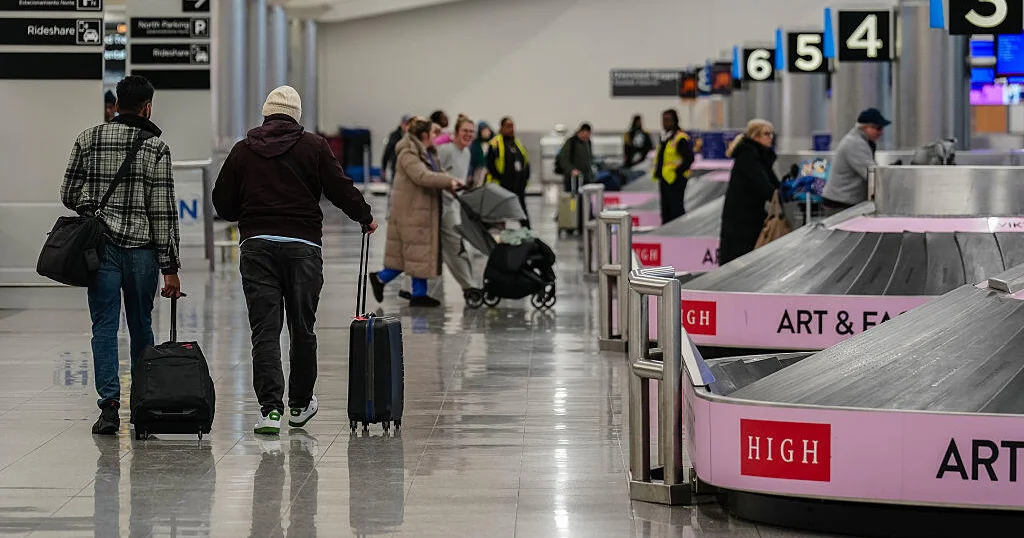
The on-the-ground snapshots were hard to miss: long waits at the Minneapolis-Saint Paul International Airport during a convergence of spring break travel, weather, and staffing pressure, plus crowding documented by airports in Austin and Atlanta. Other outlets, including Reuters and The Associated Press, also reported at the time on growing delays and rising absenteeism as the shutdown dragged on.
Airlines Try To Force Congress’ Hand
Airlines for America, the major airline trade group, stepped into the fight with a familiar argument: pay the screeners, then keep arguing about everything else. Its CEO, Chris Sununu, framed the shutdown as a self-inflicted hit to the traveling public, not a clever negotiating tactic.
That is simply unacceptable. It is difficult, if not impossible, to put food on the table, put gas in the car, and pay rent when you are not getting paid.
That line came from a letter by airline CEOs urging Congress to act after TSA officers received a $0 paycheck, as described by CBS. The power play is obvious. Airlines cannot reopen DHS, and they cannot rewrite immigration policy, but they can amplify operational pain that lawmakers eventually hear about from constituents and donors.
Two Parties, One Bottleneck
The shutdown messaging turned into a blame carousel. CBS reported that Transportation Secretary Sean Duffy said on Fox News that he hoped Democrats would reopen DHS, while Democratic Sen. Mark Warner argued on CBS’ “Face the Nation” for paying workers even if immigration talks stalled.
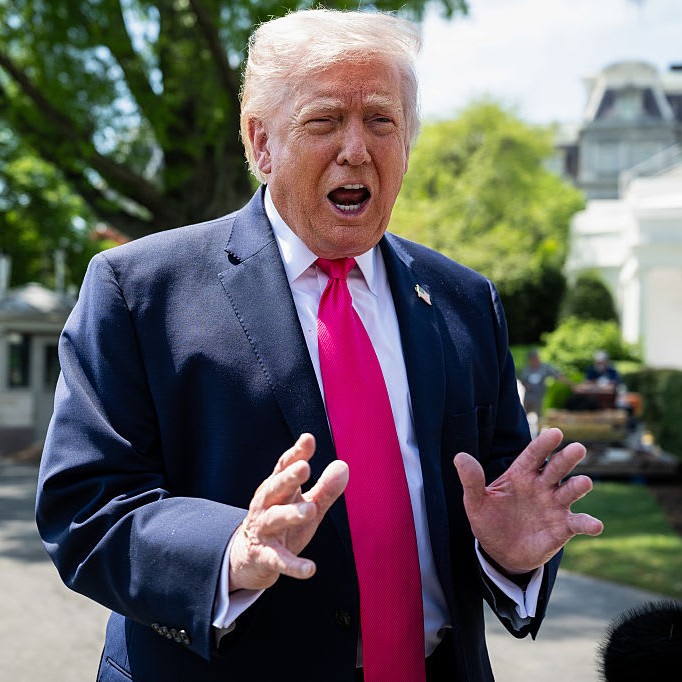
President Trump, in a social media post cited by CBS, thanked TSA agents for working while not being paid and blamed Democrats for the impasse. The contradiction is baked in: public praise for frontline workers, paired with a political strategy that left their paychecks exposed.
What to watch next is less about one viral photo of a crowded terminal and more about basic retention math. If staffing losses and call-outs continue, airport lines become a measurable form of leverage, and the pressure moves from cable news to the checkpoint.