

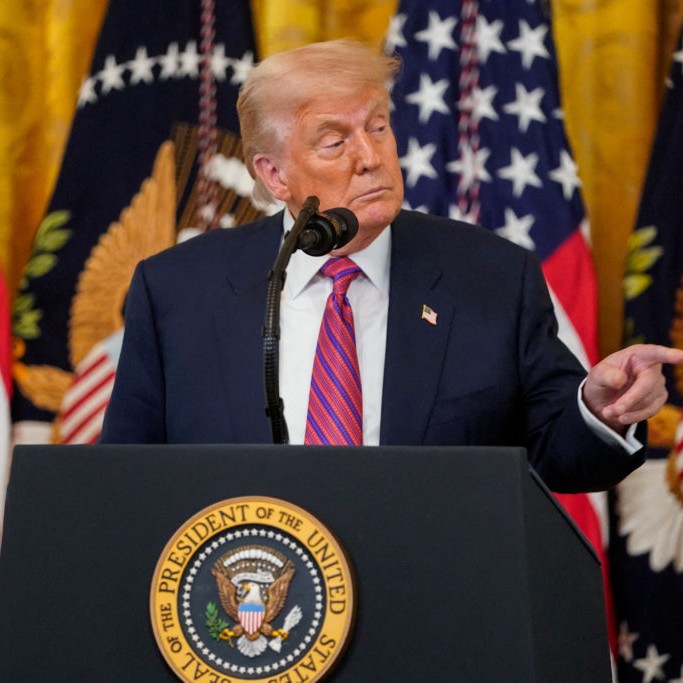
Donald Trump sold a war like a show of control. Two weeks in, the questions are piling up around one narrow strip of water, and one very public pivot that makes his victory talk harder to land.
What You Should Know
In an AP analysis published March 15th, 2026, Trump faced growing political blowback two weeks after U.S. and Israeli strikes on Iran. He floated a multinational naval effort for the Strait of Hormuz as oil prices rose and markets fell.
The reporting, carried by PBS NewsHour, frames a White House wrestling with war messaging, economic consequences, and a public watching Americans die while gasoline and broader energy costs threaten to climb.
Trump’s ‘Team Effort’ Turn
Trump had pledged early in the conflict that U.S. naval ships would escort oil tankers through the Strait of Hormuz. The AP analysis notes that escort plan had not materialized, even as Iran signaled it would keep hitting energy infrastructure and use the strait as leverage.
Then came the shift in tone. Trump wrote that, “Many Countries, especially those who are affected by Iran’s attempted closure of the Hormuz Strait, will be sending War Ships, in conjunction with the United States of America, to keep the Strait open and safe,” later adding, “this should have always been a team effort.”
That post did not come with a detailed plan from the White House, and responses abroad were cautious. South Korea said it would closely coordinate and carefully review the comments, Japan said it was closely watching developments, and Britains defense ministry said it was discussing options with allies and partners, according to the AP analysis.
Oil, Russia, and the Midterms
Trump is also trying to manage the economics of a war he says he will end. The AP analysis highlights American deaths, surging oil prices, and financial markets sliding, a mix that turns every day of continued fighting into a domestic test of competence.
One policy move drew extra attention in the piece. The U.S. Treasury Department announced a 30-day waiver on Russian sanctions that aimed to free up Russian oil cargoes stranded at sea, a step the AP analysis said could boost Moscow while higher oil prices already fatten revenue for energy exporters.
Democrats, still regrouping after the 2024 election, are treating the conflict as a midterm organizing tool. Kelly Dietrich, CEO of the National Democratic Training Committee, said the last two weeks show the administration has failed at long-term planning, arguing the party is positioned to compete for control of Congress.
Trump, meanwhile, is promising relief on energy costs, but only if the war ends on his preferred timeline. Asked about voters who think gas is too expensive, he said, “You’re going to see a very big decrease in the prices of gasoline, gas, anything having to do with energy, as soon as this is ended.”
The Stakes if Hormuz Stays Risky
The Strait of Hormuz is not just a map detail. It is a global pressure point where threats, insurance costs, naval risk, and political will collide, and it is now a daily scoreboard for whether Trump can match big declarations with operational follow-through.
What to watch next is simple and unforgiving: whether a real coalition forms, whether U.S. escorts actually begin, and whether the administration can explain an endgame that looks sturdier than a weekend post.